
Film and television star in Japan, actor Katsuro Homare dies aged 85 from cancer

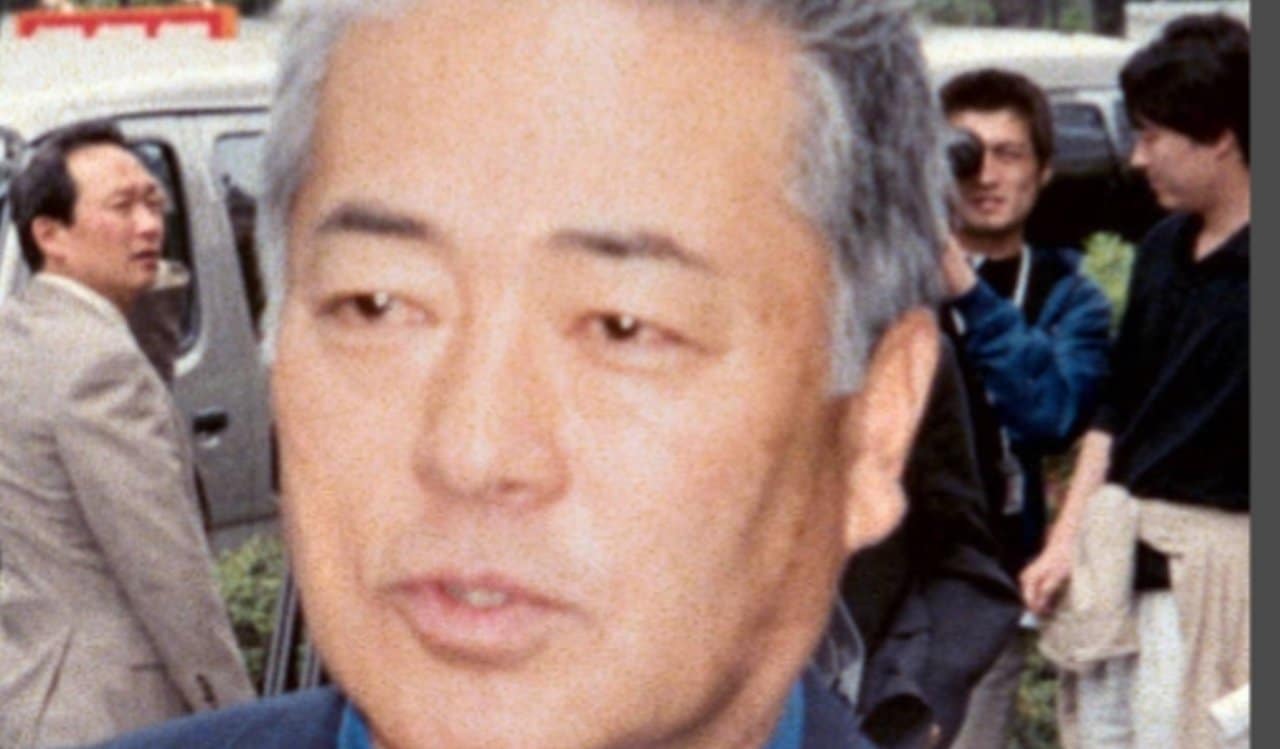
The Asian artistic scene recorded the loss of veteran actor Katsuro Homare, who passed away at the age of 85 in a medical center located in the capital Tóquio. The death occurred on January 23, 2026, around 4 pm, due to complications caused by lung cancer. The information was initially kept confidential by the family and only officially released at the beginning of February by Shochiku Entertainment, the agency responsible for managing his long career in the media.
The confirmation of his death ends a trajectory of more than six decades of exclusive dedication to acting, a period in which the artist established himself as one of the most frequent faces in television drama broadcasts and cinematographic productions in the country. The agency’s official statement highlighted the respect for privacy required by direct relatives during the first days of mourning, justifying the interval between the date of death and the public announcement.
For the purposes of historical record and clarity of the information disclosed by the consultancy, the fundamental details about the artist’s past include the following points:
– Data and time of death: January 23, 2026, in the afternoon.
– Localização: Instalação hospital in the central region of Tóquio.
– Causa clinical confirmed: Estágio advanced lung cancer.
– Cerimônias posthumous: Ritos restricted exclusively to the family nucleus.
Even facing the spread of the respiratory disease in recent months, the professional maintained frequent contact with producers and directors. Relatos of people close to him indicate that he showed a continuous interest in analyzing scripts and planning returns to the recording studios, demonstrating an uninterrupted dedication to the craft that marked his entire adult life.
Early trajectory and rise in Asian media
Born in the province of Osaka, Katsuro Homare began his technical foundation in the performing arts in 1961, when he was accepted into Escola of Treinamento Haiyuza. The institution is historically recognized for training great names in theater and television in Japão, providing a rigorous basis for dramatic interpretation. The young student’s performance quickly caught the attention of television industry scouts, allowing his transition from the academic environment to professional studios to occur in record time, even in the same year he entered school.
The official debut took place on TBS, taking on the main role in the soap opera entitled “Youth Tree” (A Árvore da Juventude). The production achieved high ratings and transformed the debuting actor into a figure of immediate national recognition. The character’s profile, aligned with the aesthetics and behavior of Japanese youth in the early 1960s, generated a strong identification with the viewing public, establishing a solid base of admirers who would follow his projects for the following decades.
Consolidation of notable roles in television drama
After the success of his first public appearance, contracts for new television productions became frequent. The actor was part of the cast of several works that today make up the historical archive of television drama in the Asian country.
One of the highlights of this period of intense activity in the studios was his participation in the series “Operação Mistério” (Kaiki Daisakusen), also broadcast on the TBS network. The program’s format required a different interpretive approach than his previous work.
In this specific production, he demonstrated the technical ability to embody characters with dense psychological profiles. The versatility presented guaranteed the renewal of its audience and the respect of the specialized critics of the time.
Career expansion into the film industry
Success on television served as a direct platform for entry into cinema, a natural move for high-earning artists at the time. Film studios sought to attract television audiences to theaters.
His debut in feature film productions gained strength with the release of “Shitamachi no Taiyo”, in 1963. The film required an adaptation of body and vocal language, adapting to the demands of the big screen.
The following year, in 1964, he starred in “Twenty-One-Year-Old Father” (Father of Vinte and Um Anos). The cinematographic work addressed complex family themes and demanded a high dramatic load from the protagonist.
These film appearances consolidated his reputation as a complete professional. The ability to move between the fast pace of television and the perfectionism of film sets became one of his main professional characteristics.
Relationships and personal life in the spotlight
Media exposure inevitably directed press attention to life outside the studios. The actor’s first marriage took place in 1968 with actress Ozora Mayumi, a union that dominated the headlines of newspapers and entertainment magazines. The relationship began behind the scenes of the recording of the soap opera “Youth”, creating a narrative that mixed fiction and reality for viewers.
The marriage lasted until 1982, when the divorce was discreetly official. Seguindo the pattern of behavior of public figures in Japão, the reasons for the separation were preserved. Anos later, the artist got married again, choosing to keep this second phase of his personal life strictly away from press coverage and public relations events.
Artistic persistence in the face of medical diagnosis
The diagnosis of lung cancer imposed severe physical limitations in the last years of the actor’s life, requiring periodic hospitalizations and continuous treatments in Tóquio medical facilities. Apesar the natural decline of his health condition, professionals who worked with him report that the main topic in their conversations continued to be the development of new acting techniques and the analysis of the contemporary audiovisual market. The refusal to announce an official retirement reflected a common mindset among Japanese industry veterans, who often view the profession not just as a job but as a lifelong commitment to art and the public. X__NM2____
Funeral protocols and family privacy
Shochiku Entertainment reiterated in its official note that all farewell ceremonies were completed even before the public announcement of the death. The decision not to hold events open to fans or public memorials was an express request from family members, who chose to experience their mourning away from the cameras and the movement of the specialized press.
Repercussion among entertainment professionals
Confirmation of the death generated immediate expressions of grief behind the scenes at the main broadcasters and film studios. Diretores who followed different phases of his career issued notes highlighting the punctuality, technical rigor and memorization capacity that the actor maintained even at an advanced age.
The archive of images and films left by the artist becomes part of the Japanese audiovisual cultural heritage. Sindicatos of actors and professional associations pointed out that his trajectory will serve as study material for new generations of students in performing arts schools across the country.



