
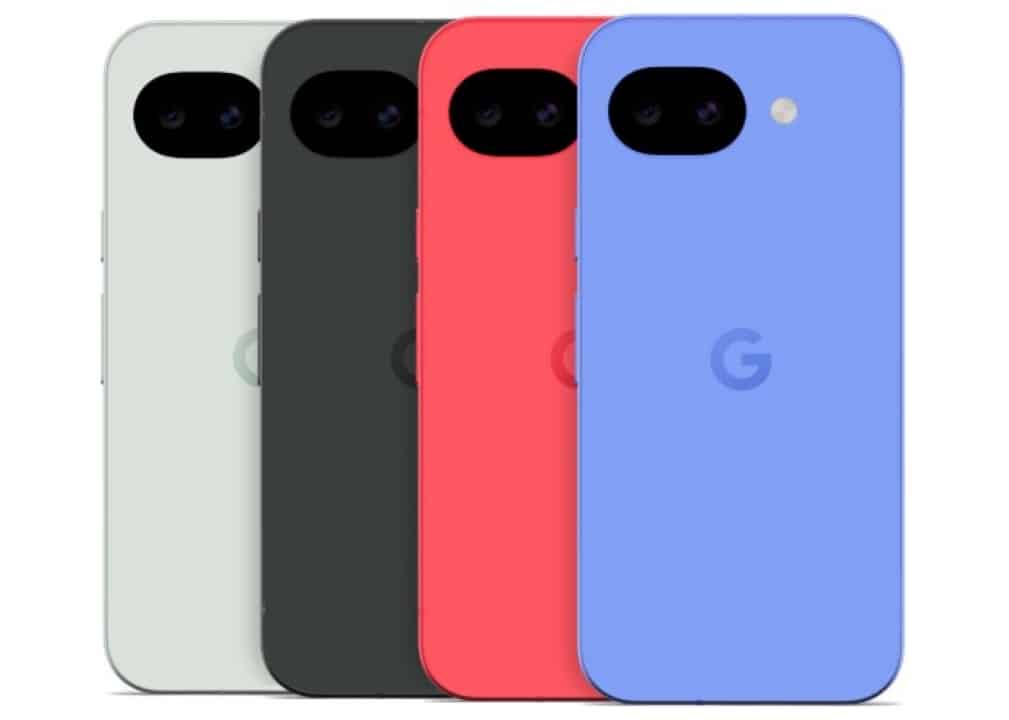
This week, Google officially announced the launch of Pixel Drop in March 2026, bringing a drastic evolution in the way users interact with their mobile devices. The main new feature of this update is the implementation of agent-type artificial intelligence, which allows the Gemini to carry out complex tasks autonomously on behalf of the device owner. Esta functionality transforms the smartphone into a digital representative capable of executing practical orders, going far beyond the traditional text responses that marked the previous generation of virtual assistants.
The new system is initially available in beta for the Pixel 10 line and allows artificial intelligence to navigate through third-party applications to complete specific actions. By pressing the power button, the user can ask the system to create shopping lists, reserve vehicles in transport applications or order meals from delivery services. Google reinforced that the tool operates in the background, keeping full control in the hands of the user, who can monitor or interrupt the process at any time through the Android 16 interface.
Evolution in visual search and new resources for fashion
The image search tool also received substantial improvements in this quarterly update. The functionality now allows the simultaneous identification of multiple objects and accessories within a single video or photograph, facilitating the search for specific clothing items. The user can circle a complete outfit in a movie scene or social media post so that the system can individually separate pieces such as coats, shoes and accessories, displaying purchasing options and immediate price comparisons.
- The virtual try-on feature allows you to view clothes in the user’s own photos.
- The integrated search system now supports character and culinary dish detection.
- The tool identifies fabrics and textures to suggest similar products in online stores.
In addition to improved search, Google introduced virtual fitting room mode, where you can upload a personal photo to see how a certain piece of clothing would look on your body. Essa integration aims to reduce the need for returns in online purchases and make the choice process more assertive for the end consumer. The technology uses advanced artificial intelligence models to adjust the fit of virtual parts to the real proportions captured by the Pixel device’s camera.
Pixel 10a launch and technical specifications
Along with the new software features, Google has started marketing the new Pixel 10a on the global market. The intermediate device arrives equipped with the Tensor G4 processor and features a 6.3-inch Actua screen, which offers a peak brightness of 3000 nits, ensuring visibility even in direct sunlight. The model continues the tradition of offering cutting-edge artificial intelligence capabilities on more affordable hardware, including support for SOS by Satélite in select regions.
The new smartphone’s battery has also been optimized to support the energy demands of the new local processing functions. With a capacity of 5100 mAh, the device promises autonomy of more than 30 hours in conventional mixed use, reaching 120 hours in extreme economy mode. Fast charging has been updated to support up to 45W, allowing half of the charge to be recovered in approximately 30 minutes of plugging in.
Proactive assistance and conversation suggestions
The Magic Cue feature is another relevant addition that integrates the Google messaging ecosystem natively. Esta tool analyzes the context of conversations in real time to offer useful suggestions, such as recommending restaurants when friends discuss where to dine. The system opens the Gemini results directly in the chat interface, preventing the user from having to switch between different applications to find addresses, opening hours or reviews of establishments.
The update also transforms the old music recognition feature into a standalone app with a revamped design. Agora, Pixel device owners can access a detailed history of all tracks automatically identified by their phone throughout the day. The new application allows you to organize these discoveries into playlists and offers direct integration with the main music streaming services available on the market.
Improvements in security and digital accessibility
The March package includes expanding phone call fraud detection to new languages and international territories. Essa technology uses local artificial intelligence to identify speech patterns common in scams and immediately alerts the user to the potential risk of the call. Como processing takes place entirely on the device’s Tensor chip, conversations are not recorded or sent to the company’s servers, guaranteeing the privacy of personal data.
For users looking for greater visual comfort, the Google has released adaptive viewing mode in almost all models in the current line. Essa setting automatically adjusts screen saturation and brightness to reduce eye fatigue in low-light environments. The functionality is especially useful for prolonged reading or using the device before sleeping, softening colors without compromising the clarity of the displayed content.
Advanced system interface customization
The personalization experience has been elevated with the introduction of AI-generated icons in five distinct art styles. The user can now define complete visual themes that adapt to the chosen wallpaper, creating a unified aesthetic across all elements of Android. Além Additionally, new theme packs based on cultural partnerships have been added to the operating system’s official customization gallery.
The quick info widget on the home screen has also become more responsive to everyday needs. Ele now displays swipeable cards with real-time financial information, sporting event scores, and return routes home based on current traffic conditions. Essas updates are delivered gradually to compatible devices, ensuring that system stability is maintained during the transition to new technologies.
The implementation of these tools consolidates Google’s strategy of transforming the Android system into a proactive artificial intelligence platform. The company indicated that agent capabilities will continue to be improved during the beta testing period, with support expected for an even wider range of business applications in the coming months.



