

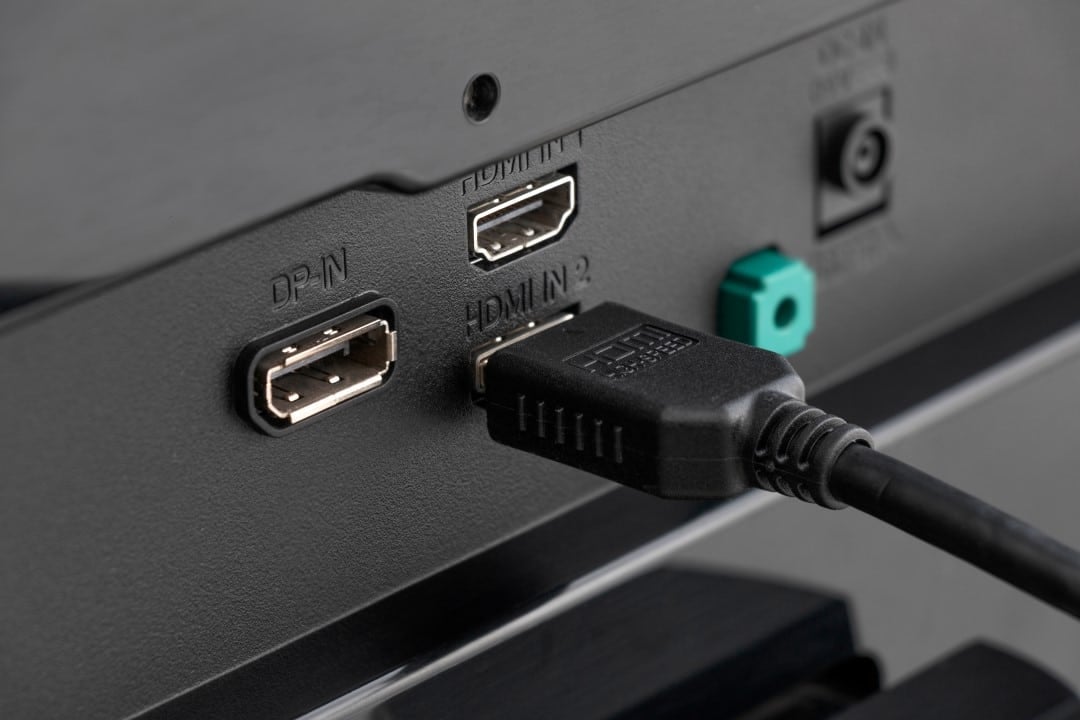
Consumers invest thousands of reais in high-resolution panels, hoping to reach the pinnacle of visual fidelity when connecting modern devices such as the PlayStation 5, Xbox Series X or premium media centers, such as the Apple 4K TV. However, a significant portion of these users experience a frustrating technical reality, in which colors appear washed out, High Dynamic Range (HDR) fails to deliver the promised brightness, and overall sharpness falls far below the specifications advertised in marketing campaigns. Essa discrepancy between the buyer’s expectation and the reality displayed in the living room rarely represents a physical defect in the purchased hardware, but rather a software bottleneck deliberately implemented directly from the factory assembly line.
The root of this widespread display problem lies in the default input port configuration of virtually all modern televisions available on the market today. Manufacturers intentionally limit the bandwidth of these connections to prioritize broad compatibility with legacy electronics over the maximum audiovisual performance required by next-generation hardware.
To understand the immediate impact of this factory restriction, it is necessary to observe the specific visual degradations that occur when the digital signal is forced to be compressed by the television. Major technical losses include:
– Drastic Redução in color depth, preventing true 10-bit HDR from being displayed.
– Severe Compressão in chroma subsampling, causing blurred edges in texts and menus.
– Bloqueio high refresh rates, making it unfeasible to use 120Hz in competitive games.
– Desativação of synchronization protocols, generating cuts in the image during fast movements.
The reason behind the factory restriction
The decision by technology companies to ship televisions to stores with the HDMI ports configured in a compatibility mode is not an engineering error, but a calculated strategy to mitigate damage and reduce support costs. Quando a television is installed in a domestic environment, the system needs to be prepared to receive a wide range of devices, from decoders from cable TV operators with outdated technology to DVD players manufactured more than a decade ago. If ports were open to receive maximum data flow by default, these older devices would not be able to establish correct digital communication, resulting in black screens, audio mismatches, or constant flickering in the displayed image.
To avoid a flood of returns at retail stores and thousands of daily calls to customer service centers from people believing the panel is broken, the industry has adopted restricted mode as the universal security standard. Essa initial tuning sacrifices high-end performance to ensure that any cable or device can transmit at least a basic, stable image. The onus of unlocking the true potential of the screen falls entirely on the end consumer, who is often unaware of the existence of this digital barrier hidden in the submenus of the equipment’s operating system.
Technical impact on data and color transmission
Bandwidth limitation directly affects the physics of transmitting visual data from the console or streaming device to the screen’s pixel matrix. In default mode, the port restricts the flow of information, forcing the source device to severely compress the signal before sending it over the cable.
One of the biggest losses occurs in chroma subsampling, often downgraded by the system to the 4:2:0 format. Essa mathematical compression discards vital color information to save bandwidth, which creates visible banding in color gradients and distorts graphic fonts in operating system interfaces.
The High Dynamic Range is also severely hampered by this conservative factory setting. Sem adequate bandwidth, the display processor cannot decode the dynamic metadata necessary to display 10-bit color depth, which would jump from 16 million to more than 1 billion shades.
The luminous difference between the darkest and brightest points in the image loses its original intensity projected by the cinematographers. Explosões in action films or sunlight reflections in games no longer have the blinding glare characteristic of the format, leveling the visual quality to the standards of previous technological generations.
Direct losses for console and PC players
The interactive entertainment sector is the one that suffers most from inadequate port configuration, due to the extremely high demand for real-time graphics processing. Consoles New generation and gaming computers generate a massive amount of data per second to maintain geometric fidelity and fluid animations.
When the port is operating in restricted mode, crucial resources such as Taxa of Atualização Variável and Modo Automático of Baixa Latência are summarily disabled by the communication system between devices. The player loses perfect frame synchronization, experiencing delays in commands and visual tearing on the screen during sudden camera rotations.
The coveted rate of 120 frames per second combined with native 4K resolution becomes a mathematical impossibility under these conditions. The hardware recognizes the bottleneck imposed by the television and automatically reduces the internal resolution or cuts the frame rate in half to adapt to the port limit, nullifying the financial investment made in the equipment.
Nomenclatures adopted by the main manufacturers on the market
The process of freeing up bandwidth runs into a linguistic obstacle created by the electronics industry itself: the total lack of standardization in configuration menus. Cada fabricante adota uma nomenclatura exclusiva para a função que libera o fluxo total de dados da porta, o que confunde o usuário que busca manuais ou tutoriais na internet. Samsung usually hides this option under the name Sinal, Entrada Plus or HDMI UHD Color, varying depending on the system version Tizen. LG prefers to use the technical term HDMI Ultra HD Deep Color in its advanced imaging menus on the webOS system. Sony requires manual activation on its own Bravia line televisions, calling the Formato feature Sinal HDMI and requiring an explicit switch to Modo Aprimorado. Independentemente of the commercial jargon used by brands such as TCL, Philips or
Procedures for releasing bandwidth
Changing this parameter requires direct navigation through the television’s configuration menus, using the device’s original remote control. The user must access the main settings gear, search for the general connections tab, external inputs or management of connected devices.
When locating the section regarding signal format, it is strictly necessary to individually select the specific port where the high-performance equipment is connected. The change from the restricted to the enhanced standard takes effect immediately, forcing a quick screen blackout to restart the video protocol and apply the new uncompressed data transfer rules.
The importance of physical cable infrastructure
Changing the setting in the television’s software only solves half of the technical equation, as the physical infrastructure needs to support the new massive flow of electrical signals. The use of old cables, with oxidized pins or poor internal construction, creates an insurmountable physical blockage that completely nullifies any adjustment made in the system menus.
To ensure that the video signal with support for dynamic metadata and high frame rates reaches the screen processor intact, the use of cables certified by technology consortiums is mandatory. Modelos officially classified as
Care when connecting legacy equipment
While enabling high-capacity mode is vital for the proper functioning of modern hardware, the standard technical recommendation is to keep the setting restricted to ports used exclusively by older devices. Aparelhos of previous generations present severe instability, intermittent loss of audio or a completely black screen if forced to operate on an input configured for maximum bandwidth, requiring the user to individually and consciously manage each connection available on the rear panel of the television.



