

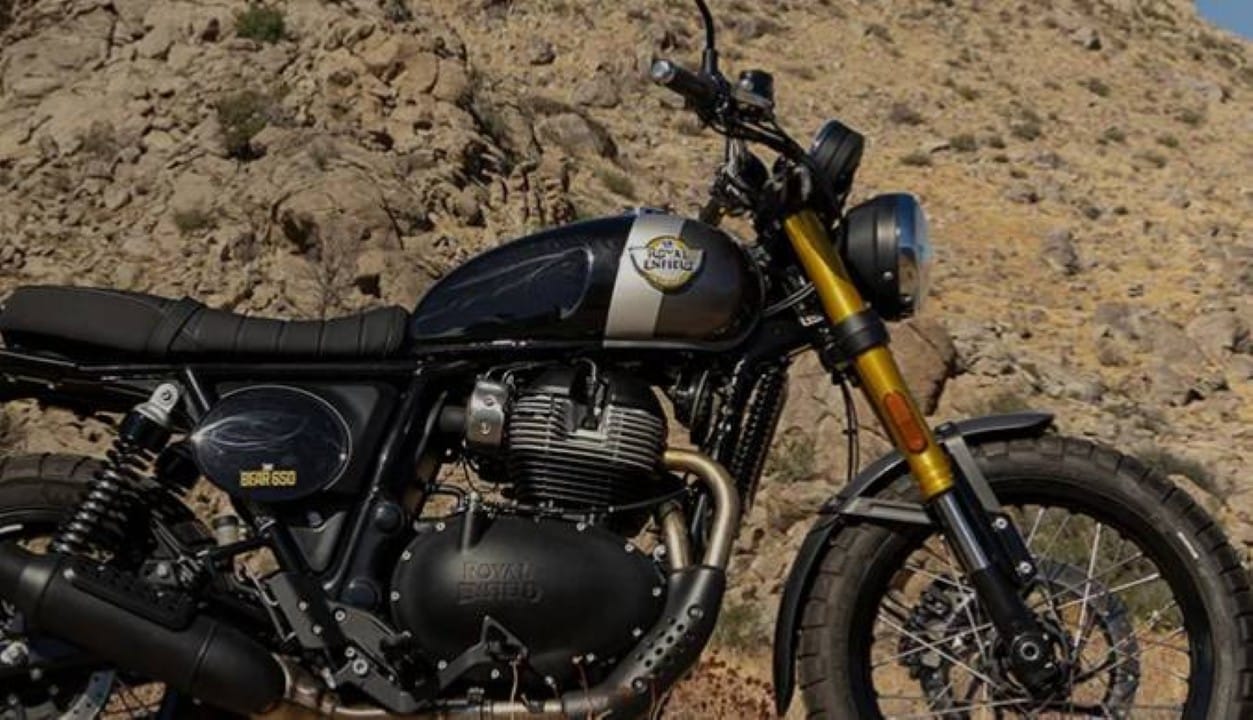
The motorcycle manufacturer has officially started the pre-sale phase of its latest model aimed at the mixed-use segment. The brand’s new bet uses a platform already consolidated in the global market, but introduces structural and aesthetic modifications aimed at the scrambler style, allowing a fluid transition between asphalt and light dirt roads. The initial batch allocated to stores was set at 400 units, with the aim of serving the first consumers who made reservations during the month of February. The initial sales value was established at R$33,990, strategically positioning the vehicle in the medium-displacement category.
The automaker’s logistical planning foresees that official deliveries will begin in March. Neste period, points of sale throughout the country will begin to display the model in their physical showrooms for the public to visit. The pricing policy adopted by the company follows a pattern already known in its portfolio, where the final values vary according to the paint scheme and graphics chosen by the buyer at the time of ordering, offering customization options direct from the factory.
Commercial strategy and positioning in the mid-size segment
The commercial positioning of this launch aims to attract both the manufacturer’s loyal enthusiasts and new motorcyclists looking to move up to a higher motorization category. The first batch limitation creates an environment of temporary exclusivity, ensuring that the first owners receive priority vehicles immediately after the reservation phase closes.
The dealership network was instructed to prepare specific service teams to present the product’s technical differences. The automaker’s expectation is that initial demand will quickly absorb the 400 units made available, justifying the opening of new orders for subsequent batches throughout the first half of operations.
Technical specifications and powertrain calibration
The engine that powers the model is a parallel twin-cylinder engine with a mixed air and oil cooling system. Esta power unit displaces exactly 648 cubic centimeters and underwent a recalibration process carried out by the brand’s engineers. The objective of this change was to deliver a performance curve perfectly aligned with the vehicle’s mixed-use proposal.
Maximum power reaches 47 horsepower at 7,150 revolutions per minute, while torque was the main beneficiary of the mechanical upgrades. Peak force now reaches 5.7 kgfm at 5,150 revolutions per minute. Este noticeable gain at low speeds ensures more vigorous acceleration and efficient speed recovery, eliminating the need for constant downshifts during urban riding.
The electronic injection mapping received fine adjustment to favor traction on uneven terrain and provide fluid driving in large city traffic. The six-speed gearbox works in conjunction with a sliding and assisted clutch, a component that significantly reduces the effort required to operate the left lever and prevents the rear wheel from locking during sudden downshifts.
Advanced chassis architecture and suspension system
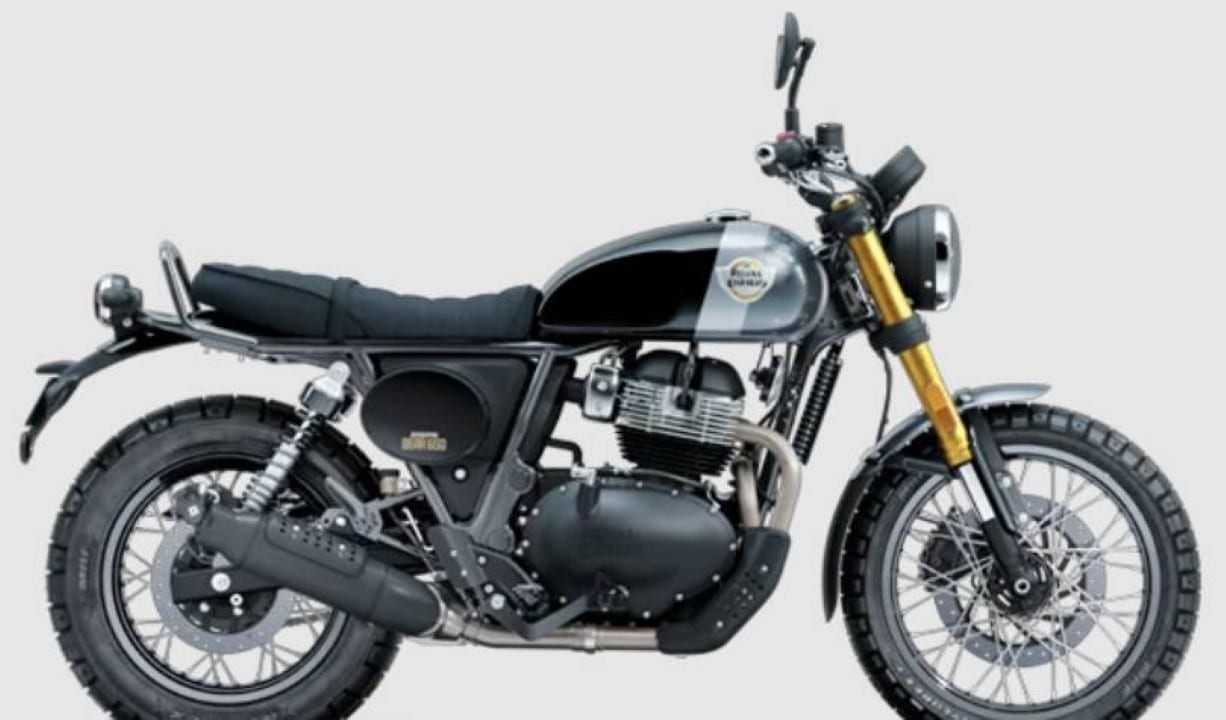
The steel tube chassis architecture was reinforced to withstand the demands of unpaved roads. Para To complement this mechanical structure, the manufacturer opted for a higher specification suspension set. The front now features inverted forks supplied by the brand Showa, featuring 43 millimeter diameter tubes.
This front system has an extended damping stroke, a feature that allows it to absorb severe impacts more efficiently than conventional telescopic forks. The reading of the terrain becomes more accurate, giving the driver security even on surfaces full of imperfections, holes or cow ribs common on rural roads.
In the rear section, the design incorporates a double shock absorber system, also developed by Showa. Estes components offer multiple spring preload adjustments, allowing the user to adapt the suspension stiffness according to the weight of the driver, passenger and any luggage accommodated in the vehicle for long trips.
The configuration adopted increased the ground clearance to 187 millimeters. Esta measure is considered essential for overcoming common urban obstacles, such as ditches, speed bumps and steep drops in level, mitigating the risk of damage to the lower part of the crankcase or the exhaust system when crossing poorly maintained roads.
Visual heritage and historical references of classic design
The aesthetic development team drew direct inspiration from the desert competitions held in the state of Califórnia during the 1960s. The body design makes a specific reference to the Big Bear Run race, a historic event that tested the extreme endurance of machines and riders in highly inhospitable terrain. Essa herança cultural é refletida nas linhas limpas do projeto, no tanque de combustível em formato de gota com capacidade para 13,7 litros e no assento plano, desenhado para conceder ao condutor uma maior liberdade de movimentação durante a pilotagem em pé ou em manobras de baixa velocidade em vias estreitas.
One of the functional elements that most attracts attention in this construction is the adoption of a two-in-one exhaust system. Esta choice differs drastically from the dual output configuration seen in other models that share the same mechanical platform. The change gives a cleaner and more aggressive visual appearance to the right side of the motorcycle, in addition to contributing significantly to reducing the overall weight of the package and mass centralization. The classic aesthetic is finished with shortened fenders and mixed-use tires with deep grooves, ensuring traction on dirt without losing stability on asphalt.
Integrated equipment and connectivity for navigation
The technological package on board the motorcycle has been updated to meet the demands of contemporary consumers, without detracting from the classic essence of the visual design. The circular-shaped digital instrument panel contains all vital engine operating information, odometers and gear indicators, also integrating a turn-by-turn navigation system. Este connectivity feature allows pairing with smartphones via Bluetooth, facilitating travel on unknown routes without the need for external supports for cell phones, keeping the handlebars free from visual interference. In terms of safety, the disc braking system on both wheels features dual-channel anti-lock technology. The big difference for off-road use is the possibility of turning off the system’s action exclusively on the rear wheel, allowing the experienced rider to lock the tire to help steer the motorcycle in loose dirt or gravel curves, keeping the electronic intervention active on the front wheel to avoid falls due to loss of front grip during emergency braking.
Driving dynamics on varied terrain and ergonomics
The height of the seat in relation to the ground was set at 830 millimeters, a dimension that requires adaptation for drivers of smaller stature, but which guarantees a dominant and upright riding posture. The ergonomic triangle formed by the wide handlebars, centralized footpegs and flat seat provides precise directional control, ensuring that the nostalgic look does not compromise the agility required for daily traffic or the stability required on high-speed highways.
Main project features and series items
To understand the positioning of this new product in the automotive market, it is essential to observe the main attractions that make up the factory package offered to consumers interested in the medium displacement category. The items below detail the mechanical and technological innovations applied to the model in a standardized way:
– Motorização 648-cylinder parallel twin with specific torque adjustment for low speeds.
– Sistema two-in-one type exhaust designed for weight reduction and mass centralization.
– Painel of fully digital instruments with Bluetooth connectivity and integrated turn-by-turn navigation.
– Suspensão inverted front supplied by Japanese manufacturer Showa with 43 mm diameter tubes.
– Sistema brakes with anti-lock technology that allows the rear wheel to be switched off for use on land.
– Tanque of fuel with classic teardrop design and volumetric capacity of 13.7 liters.
– Conjunto slipper and assist clutch to mitigate rear wheel locking during downshifts.
– Rodas spokes equipped with mixed-use tires to guarantee grip on different types of pavement.



