

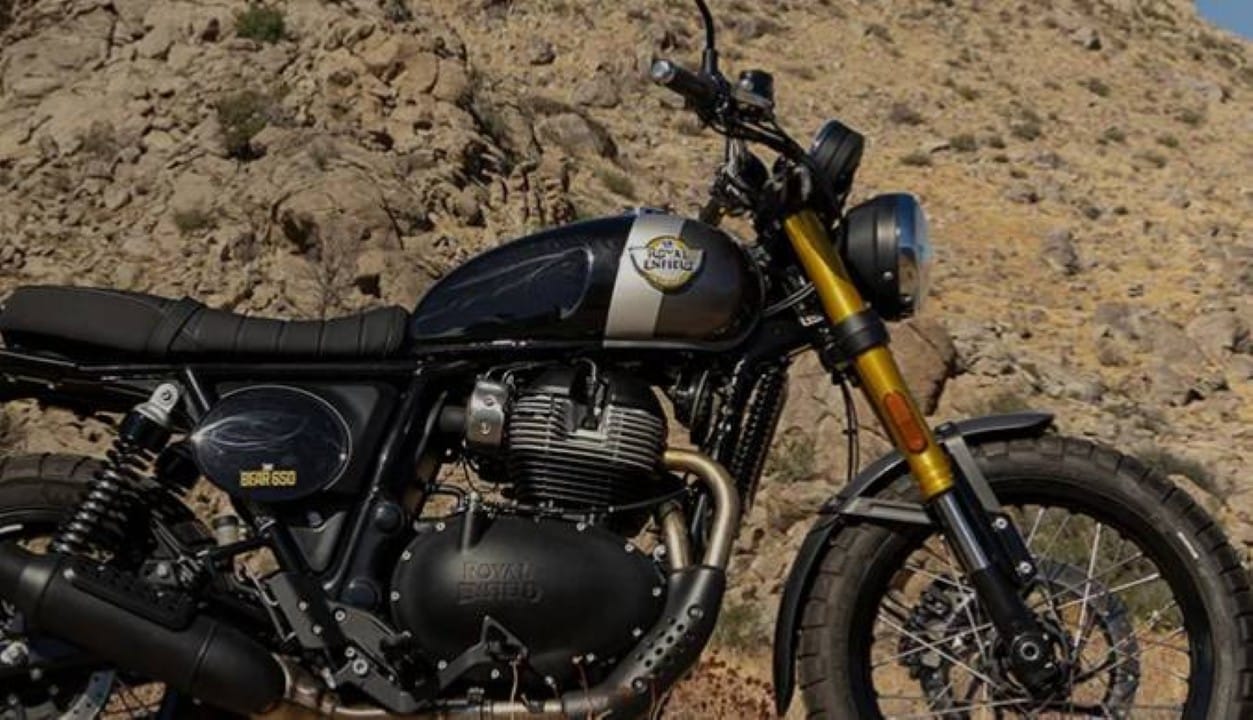
The motorcycle manufacturer The recently presented model uses the brand’s already established two-cylinder platform, but introduces a visual and mechanical identity completely aimed at mixed use, mixing asphalt with light dirt roads. The initial import batch was set at 400 units, creating a sense of exclusivity for the first buyers who secure a reservation during the pre-sale period that began this February.
With the starting price set at R$33,990, the motorcycle is strategically positioned to attract both brand enthusiasts and new motorcyclists looking to move up a category. The commercial strategy involves varying prices according to the paint scheme and graphics chosen by the customer, a practice already common in the automaker’s portfolio. Official deliveries of the first units are scheduled to take place from March onwards, when dealers across the country will begin to display the vehicle in their showrooms.
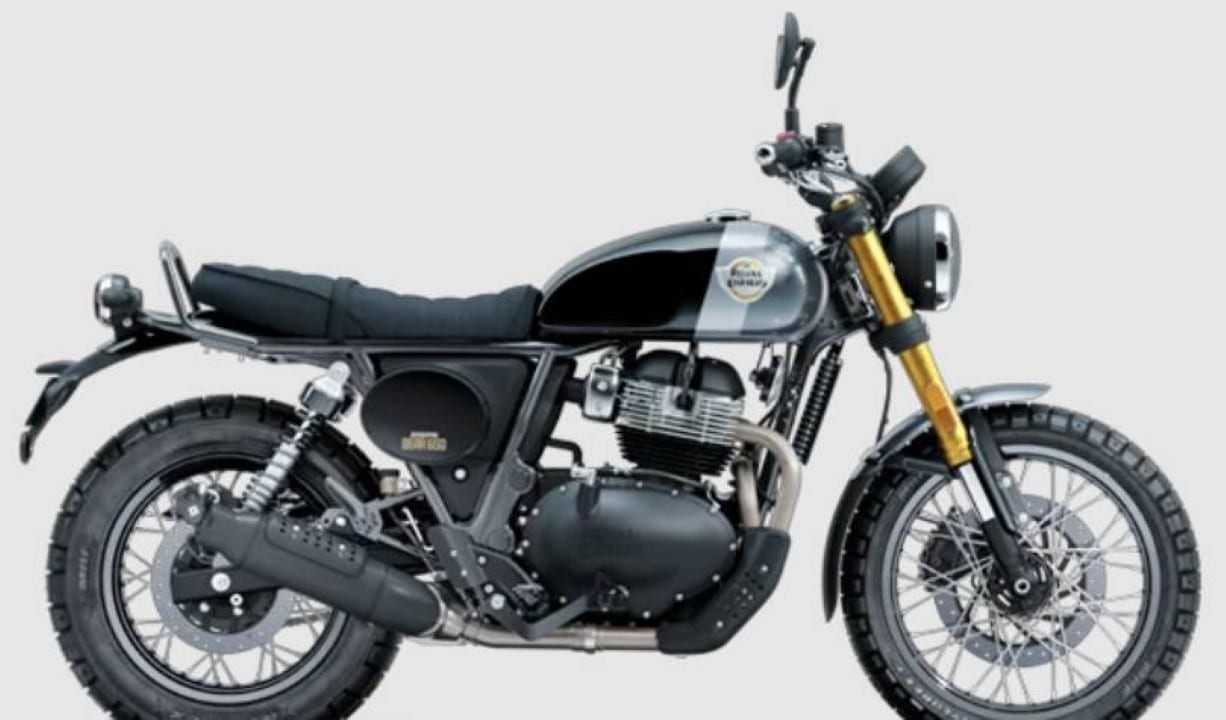
To understand the positioning of this new product, it is essential to observe the main attractions that make up the factory package offered to consumers interested in the medium-displacement category:
– Motorização twin-cylinder engine with 648 cc with specific torque adjustment.
– Sistema two-in-one type exhaust for weight reduction.
– Painel of digital instruments with connectivity and integrated navigation.
– Suspensão inverted front provided by the renowned brand Showa.
– Sistema anti-lock brakes that allow the rear wheel to be switched off.
Design details and classic inspiration
The automaker’s visual development team drew direct inspiration from the desert competitions that took place at Califórnia during the 1960s, an emblematic period for off-road motorcycling culture. The body design specifically refers to the legendary Big Bear Run race, an event that tested the extreme resistance of machines and drivers in inhospitable terrain. Essa historical heritage is reflected in the clean lines, the teardrop-shaped fuel tank with a capacity of 13.7 liters, and the flat seat that allows the driver greater freedom of movement during standing riding or low-speed maneuvers.
One of the aesthetic and functional elements that attracts the most attention in this construction is the adoption of a two-in-one exhaust system, which differs drastically from the dual exit configuration seen on sister platform models. Essa change not only gives a cleaner and more aggressive look to the right side of the motorcycle, but also contributes significantly to reducing the overall weight of the package and mass centralization. The aesthetics are complemented by shortened fenders, mixed-use tires with deep grooves and a more upright riding posture, ensuring that the classic look does not compromise the agility required for daily urban traffic.
Mechanical specifications of the twin-cylinder engine
The mechanical heart that drives this machine is the robust two-cylinder parallel engine with air and oil cooling, which displaces exactly 648 cubic centimeters. Este engine was recalibrated by engineers to deliver a performance curve more suited to the model’s proposal, generating 47 horsepower at 7,150 revolutions per minute. The main change, however, occurred in the delivery of power at low revs, prioritizing agility when exiting traffic lights.
Maximum torque now reaches 5.7 kgfm at 5,150 revolutions per minute, a noticeable gain that guarantees more vigorous accelerations and safer speed pick-ups without the need for constant downshifts. Esse ajuste fino no mapeamento da injeção eletrônica foi pensado exatamente para favorecer a tração em terrenos irregulares e proporcionar uma condução mais fluida no tráfego das grandes cidades, onde as paradas e partidas são frequentes.
The six-speed transmission works in conjunction with a sliding and assisted clutch, a component that reduces the effort required to operate the left lever. Além provides comfort on long journeys, this system prevents the rear wheel from locking during sudden downshifts, considerably increasing the rider’s safety in emergency braking situations or when entering tighter curves during the journey.
Advanced suspension and cycling system
To ensure capability on unpaved roads, the tubular steel chassis architecture has been reinforced and combined with a higher specification suspension set. The front now features Showa inverted forks, with 43 millimeter diameter tubes and an extended damping stroke, allowing it to absorb severe impacts with greater efficiency than conventional systems.
At the rear, the system has a double shock absorber, also designed by Showa, which offers spring preload adjustments to accommodate different rider and luggage weights. Essa configuration increases the ground clearance to 187 millimeters, an essential measure for overcoming urban obstacles such as ditches, speed bumps and sidewalks without the risk of scraping the bottom of the crankcase or the exhaust on the floor.
The height of the seat in relation to the ground was established at 830 millimeters, a dimension



