
Severe snow paralyzes Massachusetts and power outages affect 250,000 customers in the region

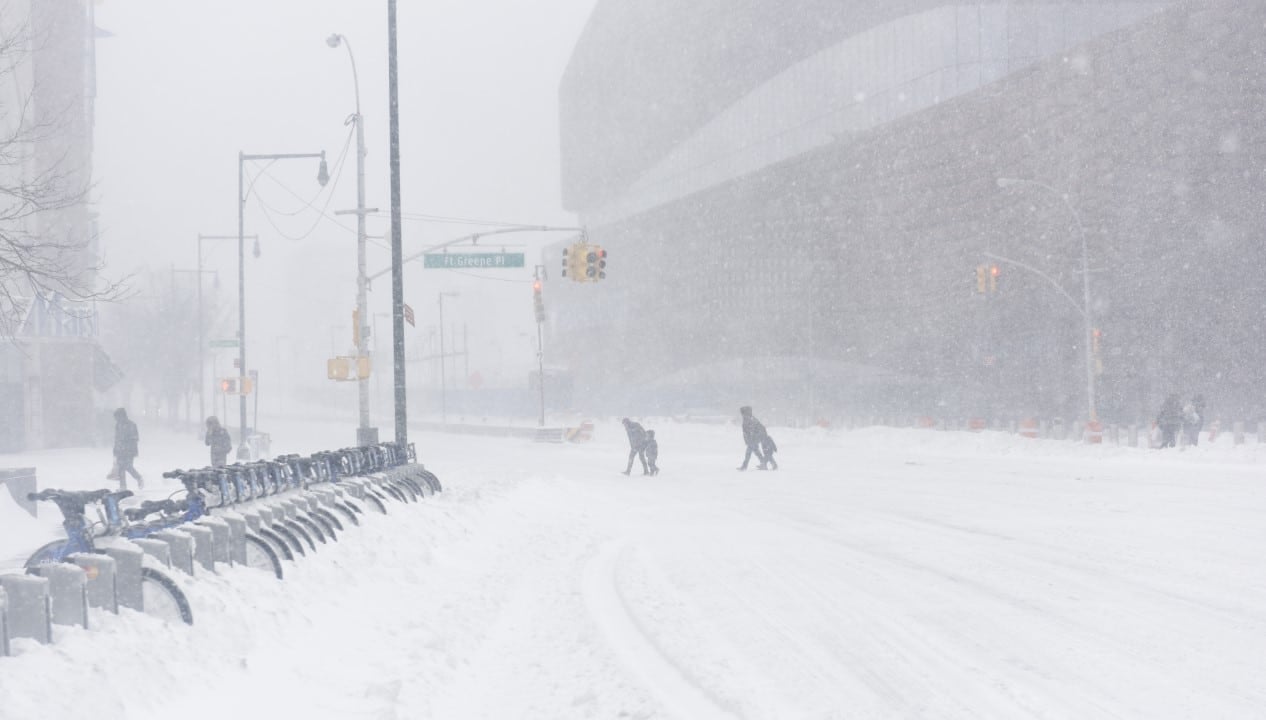
The passage of an intense winter frontal system through the northeast of the Estados Unidos caused the interruption of electricity supplies to hundreds of thousands of residents along the east coast. As equipes de manutenção de serviços públicos intensificaram os esforços de limpeza e reparo em todo o estado de Massachusetts após o acúmulo de neve danificar severamente a infraestrutura local de distribuição. The meteorological phenomenon directly impacted traffic on the main highways, the regular functioning of educational institutions and commercial operations, requiring an immediate mobilization of state and municipal authorities to mitigate structural damage.
Power outages increased rapidly as the storm moved across the coastal region and into the interior of the state. The continuous fall of heavy snow and strong winds compromised transmission lines essential for the maintenance of basic services, knocking down poles and breaking cables in difficult-to-access areas.
Despite the quick action of emergency teams and the activation of contingency plans, the complete restoration of services in some specific areas may take several days. Residents of coastal communities were the hardest hit by the gusts of wind, confirming weather forecasts previously issued by climate monitoring centers in the region.
Logistical challenges in restoring the power grid
The scenario revealed by the inspection teams presented a considerable logistical challenge, with more than 254 thousand customers without electricity in the territory of Massachusetts alone. Este número reflete a complexidade e a extensão dos danos causados pela precipitação congelada, que forçou a paralisação de diversas atividades essenciais e obrigou a população a permanecer em abrigos ou em suas residências enquanto as concessionárias operam em capacidade máxima para normalizar a situação do grid de distribuição estadual. The thickness of ice accumulated on equipment requires thorough de-icing work before any electrical repairs can safely begin.
Representatives from Eversource, one of the main energy companies operating in the Nova Inglaterra region, reported that the complexity of the physical repairs means that full recovery will require ongoing work time. The nature of the structural damage, which often involves large trees falling onto high-voltage cabling, requires rigorous and time-consuming manual interventions, mobilizing hundreds of specialized technicians and field workers from neighboring states through mutual aid agreements to assist the extensive task force.
Security protocols adopted by dealerships
Eversource spokesperson, Olessa Stepanova, explained that the company adopts a strict safety protocol to respond to severe weather events. The absolute priority during the first hours of the storm is to guarantee the physical integrity of repair teams and the general population by isolating risk areas.
The standard recovery process initially involves the technical assessment of the damage and the restoration of primary transmission lines and power substations. Somente after the stabilization of this central infrastructure, large blocks of residential and commercial customers are reconnected.
Individual incidents and incidents in cul-de-sacs represent the final phase of the technical repair schedule. Electricians need to access areas that are often blocked by branches and accumulated snow, which makes the progress of the work dependent on prior cleaning of the roads by public transport department teams.
Impacts of the frontal system on neighboring states
The neighboring state of Rhode Island also recorded severe impacts from the same winter storm. Official reports pointed to more than 21,000 power outages, demonstrating the scope of the frontal system that swept the east coast and required maximum attention from local governments.
The situation required close coordination between state authorities and monitoring agencies to minimize disruption. Embora on a smaller scale than that observed in Massachusetts, the drop in temperature and lack of warming generated immediate alerts to protect the vulnerable population.
Precipitation accumulation and regional variation in damage
In contrast to the coastal areas, other parts of Nova Inglaterra presented a more controlled panorama in relation to light cuts. The utility reported just over 600 outages in the state of Connecticut during the peak of the weather event, indicating a dissipation of wind strength.
The north of the region was not hit with the same intensity by the gusts that caused the overhead wires to fall. Most public and essential services were able to maintain their normal operations, without the need to activate emergency generators in hospitals and tactical command centers.
The amount of snow accumulated in specific areas of Massachusetts was a determining factor in the severity of structural damage. Algumas measuring stations recorded marks exceeding 90 centimeters of precipitation, creating an excessive weight on vegetation close to the energy distribution network.
The weather forecast issued by meteorological services still points to the possibility of further light precipitation in the coming days. Essa Unstable weather conditions add an extra layer of concern for crews carrying out the work of clearing roads and removing dangerous debris.
Official recommendations for public safety
Faced with the prolonged absence of electricity, local authorities have issued strict guidelines to prevent serious domestic accidents. The use of portable generators should occur exclusively in outdoor, well-ventilated areas, maintaining a safe distance from windows and doors to avoid silent carbon monoxide poisoning.
Public health departments warned about taking care to preserve supplies during the widespread blackout. Alimentos perishables that remain without adequate refrigeration for more than four hours must be discarded immediately to prevent cases of food poisoning in communities already affected by the storm.
Heating alternatives and reception centers
To maintain heating in homes, the official recommendation is to use only safe and approved sources for indoor environments, strictly avoiding improvisation with non-ventilated gas heaters, kitchen ovens or barbecues inside properties. Agência of Gestão of Emergências of Estas facilities offer a safe, air-conditioned location, as well as providing access to hot meals, drinking water and charging points for medical and communication devices, ensuring the necessary support for the elderly, people with reduced mobility and families with young children throughout the period of interruption of basic public utility services.
Effects on the local economy and supply logistics
The abrupt interruption of commercial activities and the temporary closure of drainage routes impose significant financial losses on the region’s economy. Logistics for resupplying supermarkets, pharmacies and gas stations become highly complex, requiring the rapid clearing of interstate highways by snowplow fleets to ensure the supply chain returns to operating without restrictions and meets pent-up consumer demand.
Fleet mobilization and highway cleaning
The state transport department mobilized its entire fleet of salt trucks and tractors to clear major traffic arteries. Continuous work aims to ensure that emergency vehicles, such as ambulances and police vehicles, can travel safely through the most isolated areas.
Traffic authorities have asked drivers to avoid unnecessary trips until road conditions are fully normalized. The accumulation of black ice under loose snow poses an imminent risk of skids and multiple collisions on expressways.
Continuous monitoring and traffic guidance
Road monitoring teams keep constant watch over bridges and overpasses, structures that tend to freeze more quickly than regular asphalt. Painéis of variable messages have been activated to alert drivers about mandatory detours and total closures.
Road policing has been reinforced to assist drivers who may become stuck in snowbanks along the shoulder. Patrols operate with extra towing equipment and thermal first aid kits.
Integration between disaster response agencies remains the pillar for overcoming this extreme weather event. Transparent communication with the public through official channels ensures that the population receives accurate updates on the progress of repairs and the gradual opening of transport routes.



