
Square Enix announces simultaneous release of the latest Final Fantasy VII for consoles and computers

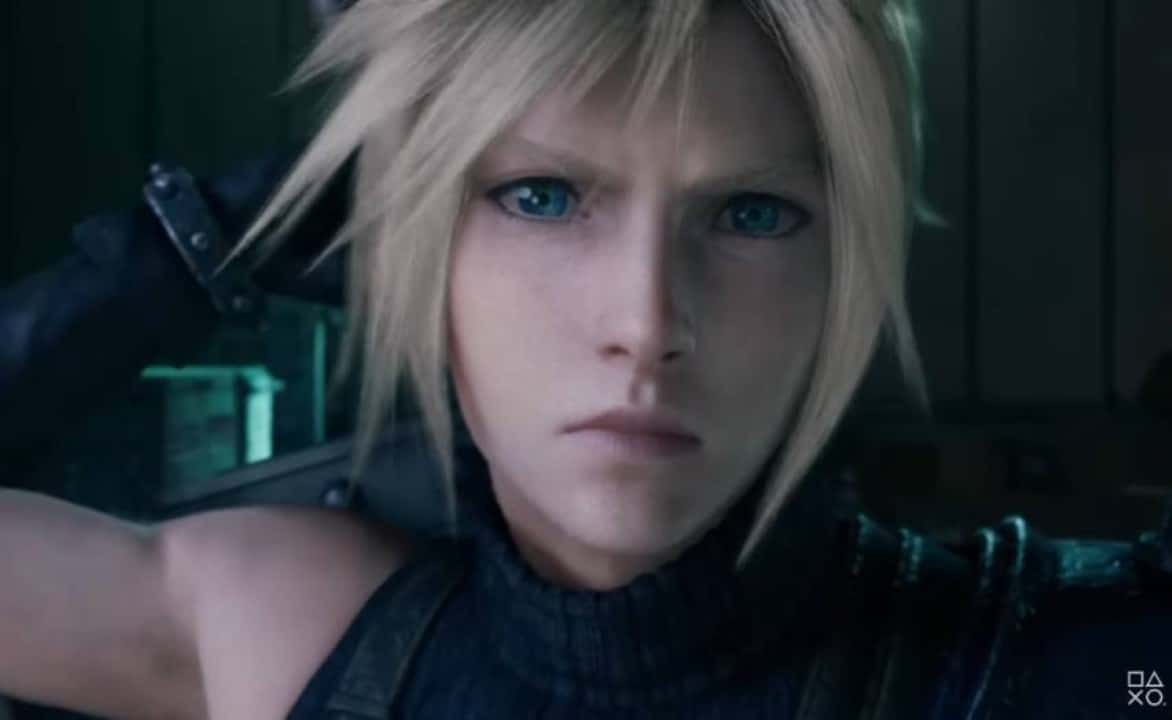
Square Enix has officially confirmed a drastic change in its commercial approach to closing the trilogy of one of its most famous RPGs. The third and final chapter of the project to recreate the 1997 classic will abandon the temporary exclusivity model and will be available simultaneously for PlayStation 5, Xbox Series X|S and computers. The decision marks the end of a restrictive partnership that defined the first two titles in the saga and signals a new corporate directive focused on maximizing the global reach and immediate profitability of its high-budget productions. The announcement redefines the expectations of the technology and entertainment market, showing that the giants in the sector are willing to change decades-old traditions to adapt to the new financial realities of the global industry.
New commercial strategy from the Japanese developer
The transition to a multiplatform release reflects a profound restructuring of the Japanese publisher’s internal policies. Após recent financial reports indicate that profits did not meet the projections established by shareholders, the company’s management opted for an aggressive audience expansion strategy. The previous model, which kept games restricted to a single hardware for months or even years, proved unsustainable in the face of the rising costs of developing AAA titles. The need to present positive results in the short term forced the board to review its distribution contracts.

By making the game available on all leading platforms from day one, the developer eliminates the barrier to entry that limited initial sales. The expectation is that this aggressive approach will recover the investment more quickly, avoiding consumer fatigue that tends to occur when a game arrives on other platforms long after its original launch. The change directly meets the demands of investors who demanded greater agility in the monetization of the company’s most valuable intellectual properties, ensuring that the product reaches as many homes as possible simultaneously.
Financial impact and changes in the console market
The cost of producing large-scale electronic games has reached historic levels in the current generation of hardware. Estúdios need teams made up of hundreds of professionals working for years to deliver the level of graphic and mechanical detail demanded by the modern public. Budgets often exceed the hundreds of millions of dollars mark, requiring massive sales just to cover initial expenses.
In this complex scenario, limiting the sale of a product to just an installed base of users drastically reduces the potential for financial return. Exclusivity agreements, once seen as a safe capital injection provided by console manufacturers to subsidize development, no longer cover the deficits generated by the game’s absence in competing ecosystems. The sector’s basic mathematical calculations have changed radically in recent years.
The Square Enix decision illustrates a growing trend in the technology and digital entertainment industry. Empresas Hardware independents are prioritizing large-scale software sales, recognizing that audience fragmentation harms the long-term sustainability of franchises. The focus now is direct sales to consumers, regardless of the brand of device they have in their living room.
History of franchise exclusivity in the Sony ecosystem
The relationship between the franchise and Sony consoles has deep roots that date back to the late 1990s, when the original title revolutionized the industry. Quando recreation project was announced, the partnership was revived, ensuring that the first chapter would hit the market in 2020 for PlayStation 4 only.
Computer players had to wait more than a year to access the adventure, which was initially released on Epic Games Store and, later, on Steam. Essa waiting window generated frustration among consumers who did not own the specific console, creating an unwanted distance between the brand and a significant portion of the global gaming community.
The second title in the trilogy followed a similar path, being released in early 2024 exclusively for the PlayStation 5.
The breaking of this pattern in the third game represents a definitive turning point in intellectual property management. The company recognized that loyalty to a single platform does not compensate for the loss of millions of potential buyers who use competing systems daily. The isolation strategy was officially replaced by the total integration of consumer markets.
Technical details and development of the final chapter
Development of the saga’s conclusion is progressing at a rapid pace, driven by the team’s familiarity with creation tools and the technological foundation established in previous games. Using advanced graphics engines allows programmers and artists to create vast, detailed environments more efficiently, reducing production time between releases. The transition to a simultaneous release requires additional optimization effort as the game code needs to run seamlessly on different hardware architectures, from desktop consoles to a wide variety of computer configurations. Developers are focused on ensuring the visual and gameplay experience is consistent across platforms by implementing support for modern image resizing technologies and high frame rates. The promise is to deliver a seamless explorable world, where players will be able to pilot aerial vehicles on a continuous map, something that demands the maximum processing capacity and solid-state storage of current devices. The technical team works to ensure that there are no glaring disparities in performance between different versions of the software.
Player expectations and installed base expansion
Confirmation of the title’s arrival on Microsoft consoles ends years of speculation and incessant requests from the community. Usuários of The news was received with enthusiasm on forums and discussion networks dedicated to the hardware.
This inclusion strengthens the gaming ecosystem as a whole, promoting a more accessible and democratic environment for the consumption of interactive media. Removing hardware barriers allows the narrative to reach a diverse audience, consolidating the cultural impact of the original work on a new generation of digital entertainment consumers who value freedom of choice when playing games.
End of an era for restrictive agreements
The Japanese developer’s move sets an important precedent for the future of large interactive productions on a global scale. The era in which massive budget titles served solely as marketing tools to sell specific consoles appears to be coming to an end, giving way to a market where universal availability dictates the rules of commercial success. Software companies are taking control of their own financial destinies, refusing to limit their reach in exchange for temporary subsidies.



