


The Cupertino-based technology giant has set an aggressive timeline for renewing its line of portable computers throughout the current year. Strategic planning involves the introduction of four different pieces of equipment, designed to serve everything from the educational sector to professionals who demand extremely high processing power. The move represents one of the biggest diversifications ever carried out in the brand’s portfolio in a single annual cycle, with staggered launches that promise to shake up the corporate and consumer hardware sector. The approach aims to capture market shares currently dominated by competing operating systems, offering more affordable entry options without abandoning the continued development of the premium segment.
The development of this new generation of devices reflects a change in the way processor architecture is distributed across different product categories. The integration of components originally designed for mobile devices into desktop and notebook computers demonstrates a significant advance in energy efficiency and thermal dissipation capacity. The planned portfolio covers all price ranges, setting a new standard of competition in the information technology sector.
Hardware upgrades are not just limited to internal processing power, they also encompass redesigns in visual display technologies and user interaction methods. The introduction of new panels and the reevaluation of tactile interfaces indicate a direct response to the demands of consumers seeking greater versatility in their daily work equipment.
The personal computer market is going through a restructuring phase, where portability combined with extreme performance has become the main decision factor for purchasing new equipment. The segmentation strategy adopted allows different user profiles to find specific solutions for their needs, from text editing and basic navigation to the rendering of complex graphics and training of artificial intelligence models locally.
| モデル | メインチップ | 画面 | 推定開始価格 (米ドル) | 主な対象者 |
|---|---|---|---|---|
| 低価格MacBook | A18プロ | 13インチ液晶 | 699-899 | 学生と基本的な使い方 |
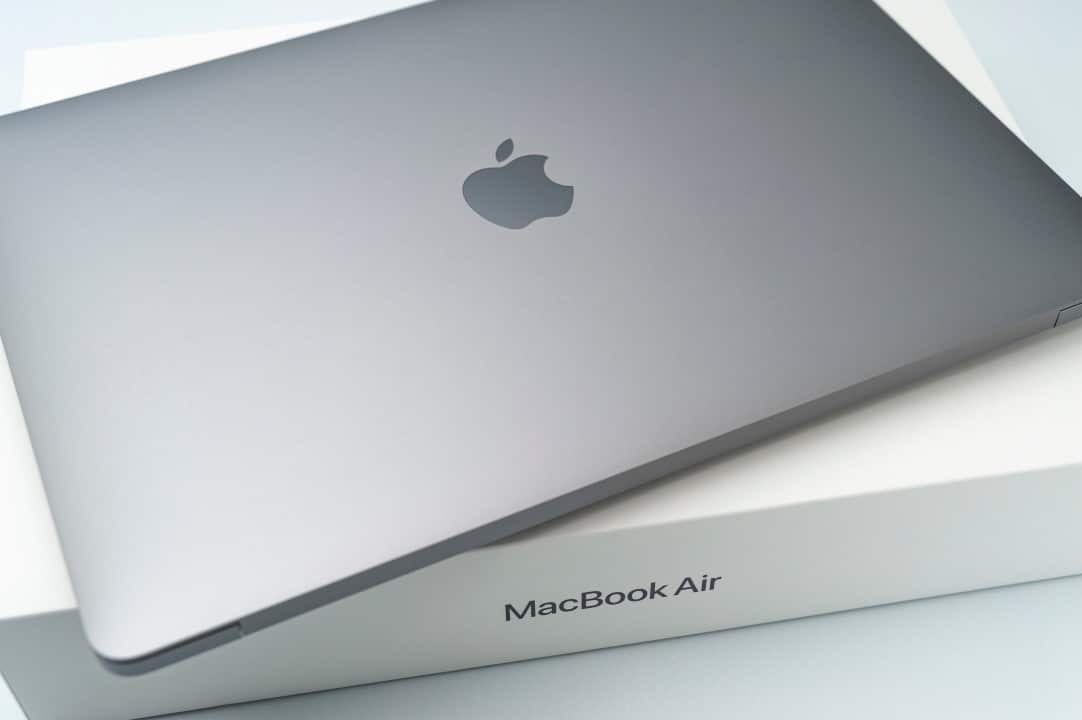
| MacBook Air | M5 | 13 インチまたは 15 インチ | 999 | プレミアムモバイルユーザー |
| 標準MacBook Pro | M5 プロ/マックス | 14 インチまたは 16 インチのミニ LED | 1999-3499 | 中級者向け |
| MacBook Pro OLED | M6(予定) | 14ンチまたは 16インチのタッチ OLED | 非開示 | 一流のクリエイター |
Expansion strategy with an entry model focused on education
The first pillar of this new phase is the introduction of a portable computer focused exclusively on cost-benefit, designed to compete directly with devices aimed at students and basic administrative tasks. Este equipment represents a paradigm shift for the manufacturer, which traditionally focuses on high-value-added products. The engineering behind this model prioritized reducing production costs without sacrificing the stability of the operating system.
To achieve an estimated retail value of between seven hundred and ninety-nine and eight hundred and ninety-nine dollars, the internal architecture was adapted to use the A18 Pro processor, the same component that powers the brand’s most advanced cell phones. A decisão de utilizar um chip móvel em um notebook demonstra a maturidade da tecnologia de silício desenvolvida internamente, capaz de lidar com fluxos de trabalho baseados em navegação web e edição de documentos com extrema fluidez e baixo consumo de energia.
The physical design of this entry-level model takes a minimalist approach, featuring a thirteen-inch liquid crystal display with slightly thicker edges compared to the higher-end lines. Connectivity has been simplified to include just one port in the universal standard, eliminating ultra-high-speed transfer protocols to maintain competitive pricing. The chassis will be offered in several color options, including silver, blue, pink and yellow tones, aiming to attract young audiences and educational institutions.
Performance upgrade in the ultra-thin notebook line
The ultrathin computer category will receive a substantial upgrade in the first quarter of the year with the arrival of the new generation of flagship series processors. The equipment will maintain its established visual identity, focusing improvements entirely on the logic board and energy management efficiency. The integrated fifth generation processor promises to raise the performance level for intermediate users who require extreme mobility.
Preliminary engineering tests indicate that the new central processing unit offers a speed gain that varies between twelve and fifteen percent compared to the previous generation, while graphics processing presents a significant jump of thirty-six percent. Manufacturing based on the three-nanometer process allows the device to operate at lower temperatures, eliminating the use of mechanical fans and ensuring completely silent operation, even when performing tasks that require greater computational effort.
Focus on heavy processing for audiovisual professionals
For the high-performance segment, the renewal of portable workstations will take place at the beginning of the year, introducing more robust variants of the new family of processors. Estes equipment is developed specifically for software engineers, high-resolution video editors and three-dimensional modeling professionals. The unified memory architecture has been expanded to support bandwidths previously unheard of in portable devices.
The models will be available in fourteen and sixteen inch formats, maintaining the recycled aluminum external structure introduced in previous cycles. The main hardware change, in addition to the processing unit, lies in the implementation of very high-speed solid-state storage modules, drastically reducing the time for loading massive files and exporting complex projects.
The thermal management of these machines has been recalibrated to sustain peak performance for extended periods, preventing automatic speed reduction under continuous stress. Active cooling systems operate intelligently, activating fans only when internal sensors detect temperature spikes during graphics rendering or extensive code compilation.
The price positioning reflects the professional nature of the equipment, with the smaller version starting at one thousand nine hundred and ninety-nine dollars, while the configuration with a larger screen and processor in its maximum version reaches the level of three thousand four hundred and ninety-nine dollars. The investment is justified by the ability to completely replace fixed workstations in production studios.
Technological transition with high visual fidelity panels
The most profound change in the portfolio is scheduled for the second half of the year, with the introduction of organic light-emitting diode screens in the professional line. Esta technological transition eliminates the need for traditional backlighting, allowing each pixel to emit its own light. The direct result is absolute blacks, infinite contrast and significantly more accurate color reproduction, crucial factors for color correction and photography professionals.
Along with the new display technology, the manufacturer will implement support for direct touches on the screen, marking a historic shift in its computer design philosophy. The operating system interface will be subtly adapted to recognize hand gestures without compromising the precision required for traditional cursor use. The chassis will undergo a complete redesign, resulting in a considerably thinner and lighter profile, made possible by the absence of the lighting layer of the old screens.
Processor architecture and energy efficiency
The heart of the entire line of portable computers lies in the continuous advancement of proprietary silicon architecture. The transition to the sixth generation of processors, which will power end-of-year models, will bring a completely redesigned neural engine, specifically optimized for running machine learning and natural language processing algorithms locally. Deep integration between the hardware and operating system ensures that artificial intelligence features operate with minimal latency, preserving user privacy by avoiding constantly sending data to external servers. The advanced lithography used to manufacture these components makes it possible to accommodate billions of transistors in a tiny space, resulting in a relationship between performance and power consumption that redefines the physical limits of today’s mobile computing.
Positioning in the corporate sector and sales prospects
The strategy of diversifying prices and technical specifications aims to consolidate the brand’s presence in information technology departments of large corporations. Offering a highly capable entry model, coupled with top-of-the-line options for developers, creates a unified ecosystem that makes it easier for network administrators to manage fleets of devices. Market expectations point to a substantial increase in the volume of units distributed throughout the year, driven mainly by the updating of old technology parks and the adoption of native artificial intelligence tools integrated into the operating system.



