
Asian automaker launches electric utility vehicle with 338 horsepower and quick recharge in 28 minutes By Jeronimo Santos
6 min read
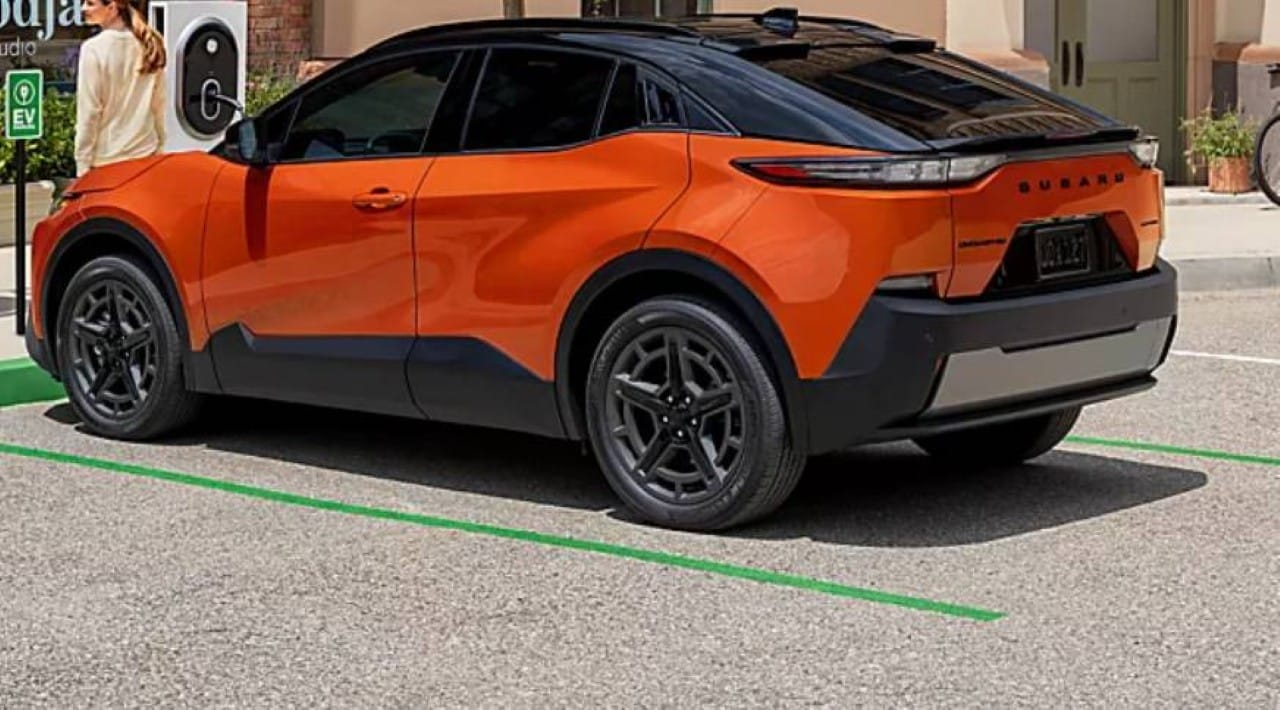 |
The Asian automotive industry expands its offering of zero-emission vehicles with the introduction of a new sports utility vehicle focused on the North American market. The engineering project combines the brand’s traditional all-wheel drive with a propulsion system entirely powered by high-density batteries. The proposal serves drivers who seek energy efficiency combined with the ability to travel over different types of terrain without compromising mechanical performance during daily journeys.
Engineers subjected the car to rigorous tests in extreme weather conditions, covering high-temperature desert routes in the state of Nevada and heavy traffic highways in Califórnia. Production required a complete restructuring of the assembly lines on the Japão to accommodate the new electrical architecture and heavy energy storage packages.
Global automakers are accelerating the transition of their catalogs in the face of new emissions regulations and changing buyer profiles. The introduction of this compact utility vehicle reinforces the commitment to diversifying sustainable mobility options, offering a safe technological bridge for consumers who are still hesitant to abandon traditional combustion engines.
Mechanical configurations and trim levels
The production line was structured to deliver three distinct versions, developed to meet drivers’ different budgets and power needs. The entry-level model, commercially named Premium, has front-wheel drive and an electric motor positioned on the front axle, capable of generating 221 horsepower continuously.
This initial configuration features a specific calibration to maximize energy efficiency during daily urban commutes and at constant cruising speeds. The mechanical architecture of the basic version prioritizes low electricity consumption, making it the most rational option for customers who use the vehicle predominantly between home and work.
For drivers who demand greater traction capacity and immediate dynamic response, the Sport and GT variants incorporate the manufacturer’s renowned all-wheel drive system. Nestes superior equipment packages, the combined power of the dual electric motors reaches 338 horsepower, completely transforming the car’s behavior in overtaking situations.
The gain in strength in the top-of-the-line versions significantly changes the vehicle’s performance on paved highways and dirt roads with low grip. The GT model records acceleration from zero to 100 kilometers per hour in approximately 4.7 seconds during official track tests, although this significant increase in performance results in a slight reduction in total battery autonomy.
Energy storage capacity
The central component of the electrical package consists of a 74.7 kWh capacity lithium-ion battery, meticulously designed to deliver an exact balance between the vehicle’s total weight and the energy density required for long journeys. In the Premium version, this energy accumulator provides an estimated range of 495 kilometers on a full charge, operating in ideal temperature and terrain conditions. The thermal management of the cells ensures that energy delivery remains constant even when the car is subjected to continuous acceleration on steep inclines, preserving the component’s long-term useful life and preventing the system from overheating.
In the Sport and GT configurations, due to the greater consumption generated by the dual engines and the additional weight of the permanent all-wheel drive system, the range estimate undergoes a natural technical adjustment. Official figures indicate ranges of 458 and 439 kilometers, respectively, values that still comfortably meet the average weekly commute of most urban drivers. The engineering applied to the chassis allows the weight of the battery pack to be integrated directly into the structural floor, which drastically reduces the car’s center of gravity compared to equivalent combustion models, improving stability in high-speed corners.
Infrastructure and fast recharge time
The vehicle adopts the North American charging standard, which facilitates direct access to a wide network of high-power public stations spread across highways and large shopping centers. The charging infrastructure supported by the utility allows the battery to recover its capacity from 10% to 80% in just 28 minutes, as long as it is connected to fast-charging direct current equipment. The system integrates an intelligent thermal preconditioning function that automatically adjusts the temperature of the power cells on the way to the service station, ensuring maximum electrical transfer speed even in regions with harsh winter climates. Para for everyday residential use, an 11 kW onboard charger makes it possible to completely replenish energy at night, offering convenience to owners who have adapted garages with high-capacity sockets and eliminating the need for daily stops at charging stations.
Exterior architecture and cargo space
The utility vehicle’s exterior design features fluid lines that reduce aerodynamic drag and actively contribute to energy savings at high speeds. The GT version receives exclusive visual elements on the body, such as light alloy wheels with a closed design and aerodynamic appendages, which highlight its calibration aimed at sporting performance.
The compact dimensions of the structure facilitate parking maneuvers in congested urban centers and garages of old residential buildings. The height from the ground was calculated by the engineering team to ensure the safety of the lower components, especially the battery pack casing, when overcoming obstacles on unpaved roads.
In-dash connectivity features
The instrument panel centralizes operations on a 14-inch touchscreen, responsible for managing the entertainment system, satellite navigation and cabin climate controls. The digital interface processes commands extremely quickly and offers native wireless support for smartphone mirroring platforms.
The cabin seats five adult passengers and uses advanced sound-deadening materials to block wind and tire-rolling noise, a critical requirement in quiet electric vehicles. The rear cargo compartment offers a volume of more than 700 liters, offering adequate space for transporting family luggage or bulky sports equipment.
Driving in heavy urban traffic is optimized by the multi-level adjustable regenerative braking system, allowing control of the vehicle using only the accelerator pedal most of the time. A sophisticated suite of radar sensors and high-resolution cameras powers the standard active safety package, which encompasses autonomous emergency braking with pedestrian detection and continuous blind spot monitoring.
Retail distribution strategy
The official distribution schedule establishes the arrival of the first units at authorized network dealerships during the second quarter of the year. The entry-level model has a suggested retail price starting at $34,995, positioning the vehicle highly competitively in the competitive compact electric utility vehicle segment.
The value policy of the intermediate version aims to attract consumers interested in the transition to electric mobility without the need to bear the prohibitive costs of luxury segments. The final value in stores may be reduced through the application of government tax incentives in force in different sales regions.
Factory coverage and software support
The after-sales package structured by the manufacturer focuses on long-term peace of mind and safety for owners who are switching to electric propulsion for the first time. The standard factory warranty covers the high-voltage battery pack for a period of eight years or 160,000 kilometers driven, ensuring module replacement in the event of premature degradation of charging capacity. The utility’s advanced electronic architecture allows software updates to be received completely remotely via data connection, eliminating the need for periodic visits to authorized network workshops.
Engineering technical parameters
The main focus of the development of the electric platform encompassed fundamental technical parameters for the viability of the large-scale project. Engineering paid special attention to the following structural points during the testing and homologation phase of the sport utility vehicle:
– Otimização of body aerodynamics to reduce frontal drag on high-speed highways.
– Resistência improved electrical components against severe thermal variations in extreme climates.
– Manutenção of the internal space and drivability characteristic of the Asian manufacturer’s vehicles.
– Integração multiple high-speed USB ports and a 120-volt outlet for charging devices.











