

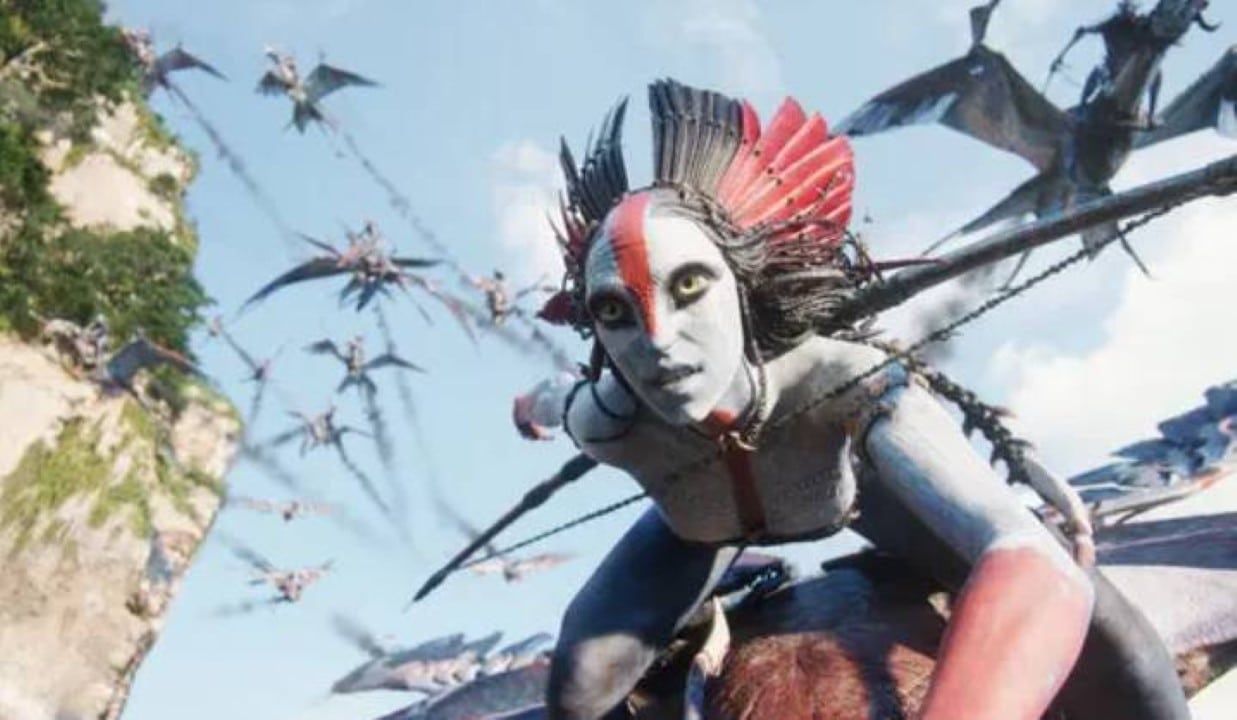
The development of the next chapter of the science fiction saga set on the planet Pandora progresses behind the scenes of the film industry. The production team finalizes the technical and narrative details for the fourth feature film, which promises to shift the main focus to figures recently introduced into the plot. The studios’ strategy aims to renew the fictional universe and maintain audience engagement during the long hours of viewing, moving away from previously established formulas and seeking an unprecedented approach to building the alien world. The project follows a strict execution schedule to ensure delivery within the deadlines stipulated for global distribution.
Release calendar and studio planning
The official release schedule maintains the arrival of the fourth feature film scheduled for December 21, 2029. The end-of-year window has become a strategic tradition for the franchise, with the aim of maximizing ticket sales on a global scale during the holiday season and dominating the exhibition circuit.
Next, the fifth and supposedly final chapter of the main saga is scheduled to premiere on December 19, 2031. The two-year gap between super productions allows visual effects companies to process the enormous amount of data generated by the high-resolution three-dimensional cameras used in the recordings.
Development of the central character and narrative expansion
The actress Oona Chaplin, responsible for giving life to the leader Varang, will have a considerably increased screen time in the next super production. The character, who commands the Povo of the Cinzas, was initially presented as an antagonistic force in the alien universe, but will now receive deeper layers of psychological development.
The script will dedicate significant space to exploring the leader’s disillusionment with the planet’s traditional deities. Essa profound spiritual rupture justifies the adoption of a much more aggressive and militarized stance by its people in the face of external threats.
The shift in focus creates a direct contrast to the peaceful tribes focused on harmony with nature and the oceans. The leadership of the clan known for its connection with the fire element will gain absolute protagonism, changing the dynamics established by the main family in previous works.
Creative adjustments based on audience reception
The team of writers and producers adopts a working methodology that allows changes to the story based on direct feedback from viewers. The unexpected success of secondary figures in previous releases proved that audiences are looking for redemption arcs and more elaborate plots.
The complex moral conflicts within the alien universe move the narrative away from the traditional Manichaeism of heroes and villains. Varang’s trajectory will undergo a refinement process similar to that applied to other creatures and allies that have gained organic popularity over the years.
The production team’s primary intention is to prevent the character from becoming just a one-dimensional and predictable antagonist. Ela will be transformed into a central figure whose actions, although questionable, have perfectly understandable justifications within the context of the survival of his species.
The implemented narrative flexibility corrects structural problems identified in the third feature film, where the excess of secondary plots ended up limiting the screen time of each nucleus. The restructuring ensures that the new roadmap focuses on the quality of interpersonal interactions rather than the quantity of simultaneous events.
Performance capture technology and visual innovation
Creating the alien world requires the constant development of new rendering and motion capture technologies, raising the standards of the film industry with each new major release. Digital effects studios work intensely on creating algorithms capable of perfectly simulating the characters’ interaction with complex elements, such as fire and ashes, which will be predominant in the territory dominated by the Mangkwan clan. The facial expressiveness of the virtual actors also receives state-of-the-art software updates, allowing the dramatic nuances of Oona Chaplin’s performance to be reliably translated to its digital counterpart, ensuring the emotional connection necessary to sustain the protagonist throughout the plot.
The massive investment in technological innovation justifies the high budgets approved for the franchise, transforming each film into a global event that attracts viewers to theaters equipped with three-dimensional projection and high-fidelity immersive sound. The construction of the volcanic scenes and arid landscapes inhabited by the Povo of the Cinzas required extensive research into geology and fluid physics by the art direction, ensuring that the environment maintains an unquestionable level of photographic realism. The extreme dedication to technical details is a fundamental pillar that supports the suspension of the public’s disbelief during the long hours of visual immersion proposed by the direction and production team.
Cultural diversity and internal conflicts on the alien planet
The introduction of tribes with radically different philosophies of life enriches the world-building established since the beginning of the space saga, demonstrating that the native population is not a homogeneous mass of thought and behavior. Varang’s past alliance with human military forces and his outright rejection of the peaceful precepts of the deity Eywa add a layer of unprecedented political intrigue to the narrative, shifting the axis from the traditional conflict between invading humans and defending aliens to a true ideological civil war. The deepening of the motivations that led the fire clan to isolate themselves geographically and adopt extreme survival tactics will serve as the main driving force for the great action and drama scenes of the fourth film in the series. The exploration of past traumas, irreparable family losses and the urgent need to adapt to a hostile natural environment shaped the relentless personality of the new protagonist, offering the screenwriters fertile ground to debate contemporary issues such as extremism, cultural preservation and the harmful consequences of predatory exploitation that directly affects all factions involved in the dispute for absolute control of the planet’s natural resources.
Recording logistics and visual continuity of the cast
A substantial portion of the complex scenes involving younger actors were recorded simultaneously with filming of the franchise’s previous feature films. The simultaneous production tactic adopted by the filmmakers avoided serious visual continuity problems that would be caused by the natural aging of the cast during the long post-production phase required by cinematographic projects of this magnitude.
Financial performance and future budget approval
The continuity of the entire ambitious project remains strictly linked to the financial performance of each new stage commercially released in cinemas worldwide. The international exhibition market dictates the pace of future investments and the viability of proposed innovations.
The formal approval of the billion-dollar budget to complete the fourth film directly depends on maintaining public interest on a global scale. The profitability guaranteed by the box office is the decisive factor for the continued expansion of the fictional universe over the next decade.



