

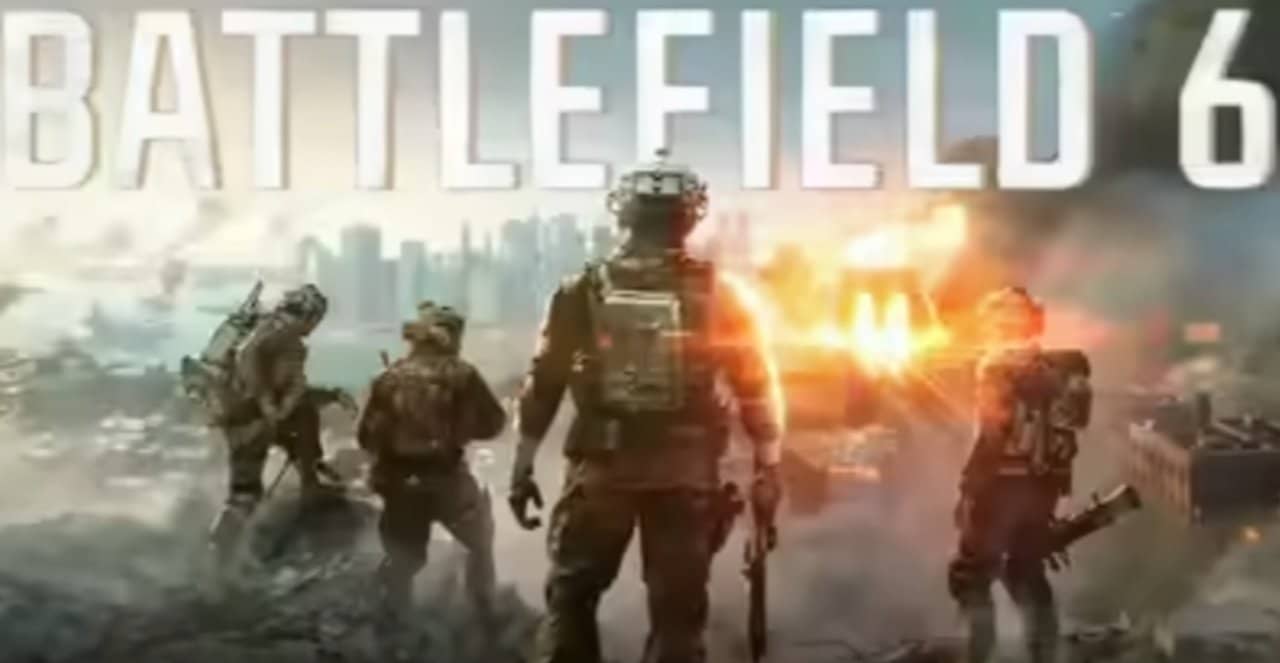
Electronic Arts (EA) carried out layoffs at several studios responsible for the development of Battlefield 6, including DICE, Criterion, Ripple Effect and Motive. Essa move, described internally as a “realignment”, comes in a period of turmoil for the gaming giant, just months after the title reached the position of best-selling game in the United States in 2025. The cuts indicate a resource optimization strategy amid player retention challenges and an ongoing acquisition process.
Despite its initial sales success, with more than seven million copies in just three days, surpassing its rival Call of Duty, the game has struggled to maintain an engaged player base. Essa trend is reflected in the sharp drop in concurrent users on platforms like Steam, where the peak launch of 747,440 players has declined to a recent high of just 67,080. The situation is complex, combining a strong launch with the subsequent need for operational adjustments.
An EA spokesperson confirmed that while the changes were “one-offs,” the affected studios will remain operational and continue to support Battlefield 6. The company reiterates that the franchise remains one of its “highest priorities.” Este scenario raises questions about the balance between initial commercial momentum and the long-term sustainability of live service games, which crucially depend on maintaining their community.
The internal restructuring also coincides with other significant events for EA. The company is in the middle of an acquisition process valued at US$55 billion by a consortium of investors, including the Saudi Arabian Public Investment Fund, Silver Lake and Affinity Partners, scheduled for completion in early 2027. In addition, the franchise’s leadership was shaken by the death of Vince Zampella, an industry veteran and battlefield chief, last December, creating a management vacuum at a critical time.
The competitive landscape and player retention
The first-person shooter market is one of the most competitive in the industry, with giants like Call of Duty maintaining a loyal fan base for decades. The launch of Battlefield 6 in October 2025 promised a turnaround, with EA celebrating “the biggest launch in the history of the franchise” and robust revenue, exceeding US$1.9 billion in the third quarter of the 2026 fiscal year, according to the company’s own report.
However, the battle for players’ attention goes beyond initial sales. Difficulty retaining audiences is a recurring challenge for many live service titles, which rely on constant updates, engaging events, and an active community to thrive. In the case of Battlefield 6, the drop in the number of simultaneous players on Steam, even being surpassed by competitors with smaller launch peaks, such as Arc Raiders, signals the urgency of more effective measures to maintain engagement.
The game’s free-to-play battle royale spin-off, Redsec, also failed to captivate the community, receiving “predominantly negative” reviews on Steam. Essa reception suggests that while the battlefield brand has considerable pulling power, the execution of the expansions and new modes needs revision to resonate with player expectations. Fierce competition dictates that each release and update delivers consistent value to avoid user migration.
Challenges in talent management in studios
Layoffs at big-name studios like DICE and Criterion are reverberating across the game development industry. Estúdios veterans, known for innovations and great titles, are the creative heart behind the franchises. Team reduction, even if described as “realignment,” can impact employee morale, team cohesion, and the ability to innovate on future projects.
The dynamics of the gaming industry, with intense development cycles and the pressure for successful releases, often lead to restructuring. However, the timing of these decisions is crucial. Realizar cuts following a commercially successful launch but with retention issues indicates a strategic recalibration that seeks to optimize resources to focus on the game’s most promising areas.
EA has a history of making adjustments to its subsidiaries, seeking to align production with market demands and corporate goals. However, the impact of such decisions on the studios’ internal culture and external perception of the stability of long-term projects is always a point of attention. Manter the expertise and passion of developers is fundamental to the longevity and quality of franchises.
The scenario of major acquisitions in the industry
The acquisition of EA by a consortium of investors, worth US$55 billion, is one of the biggest recent deals in the gaming industry, highlighting the sector’s growing appreciation. Grandes investment funds have directed capital to gaming companies, recognizing the growth potential and value of established intellectual properties. Esse type of transaction often precedes or accompanies internal restructuring.
The capital injection and change in share control can bring new strategic guidelines. The expectation is that the new management will seek to maximize the efficiency and profitability of EA’s operations, which may include optimizing game portfolios and reallocating resources. Tais movements are common in large corporations that go through significant transitions, aiming to prepare the company for a new cycle of growth and profitability.
It is too early to determine the full impact of this acquisition on EA’s day-to-day operations and development philosophy. However, the general trend in large businesses is the search for synergies and the elimination of redundancies, which can justify layoffs at key studios. Completing the acquisition in 2027 will certainly bring more clarity about the future of franchises like Battlefield.
Vince Zampella’s absence and the future of the franchise
The loss of Vince Zampella, a charismatic and visionary leader of the Battlefield franchise, in a car accident last December represents a significant blow to the game’s development team and creative direction. Zampella was known for his experience in shooters and his ability to inspire teams, having been a key figure in previous successful titles in the series. Sua absence has created a leadership gap that needs to be filled effectively.
Succession in leadership of a franchise as important as Battlefield is a delicate process. It is essential that EA finds a replacement who not only understands the essence of the series, but who can also unite the different studio teams and guide the game through its current and future challenges. Continuing a strategic and creative vision is essential to regaining players’ trust and ensuring the brand’s relevance.
The next content update for Battlefield 6, which includes a new map due March 17, is an important test of the studios’ ability to deliver value under the new structure and without previous leadership. The performance and reception of this update will be crucial indicators of the resilience of the teams and the effectiveness of the changes implemented.
Repercussions on game development and the industry
Layoffs at game studios are, unfortunately, a cyclical reality in the industry, often associated with product release cycles, corporate restructurings or changes in strategy. However, the scale and timing of EA’s cuts, affecting high-profile studios linked to one of the company’s biggest franchises, draws attention to the growing pressures facing developers.
The industry as a whole watches these movements as they can signal broader trends. The search for efficiency and profitability is constant, but balancing business needs and maintaining a talented and motivated workforce is a perpetual challenge for large game publishers.
Battlefield’s uncertain future and the 2026 scenario
With the layoffs and pending acquisition, 2026 presents itself as a period of transition and uncertainty for the Battlefield franchise. EA has the complex task of reversing player declines, maintaining community enthusiasm while integrating teams under a new leadership and ownership structure. The ability to deliver relevant and engaging content will be crucial.
Battlefield 6’s long-term success will depend not just on map updates, but on a deeper overhaul of the way the game connects with its players. Isso could involve gameplay tweaks, introducing new modes that resonate with the fanbase, or even more transparent communication about the franchise’s future roadmap.
The company faces the challenge of revitalizing a brand that, although historically strong, is showing signs of fatigue in its most recent format. The realignment and restructuring, while painful, can be seen as a necessary step in adapting the franchise to the realities of an ever-evolving market and the expectations of a new era of management under acquisition.



