

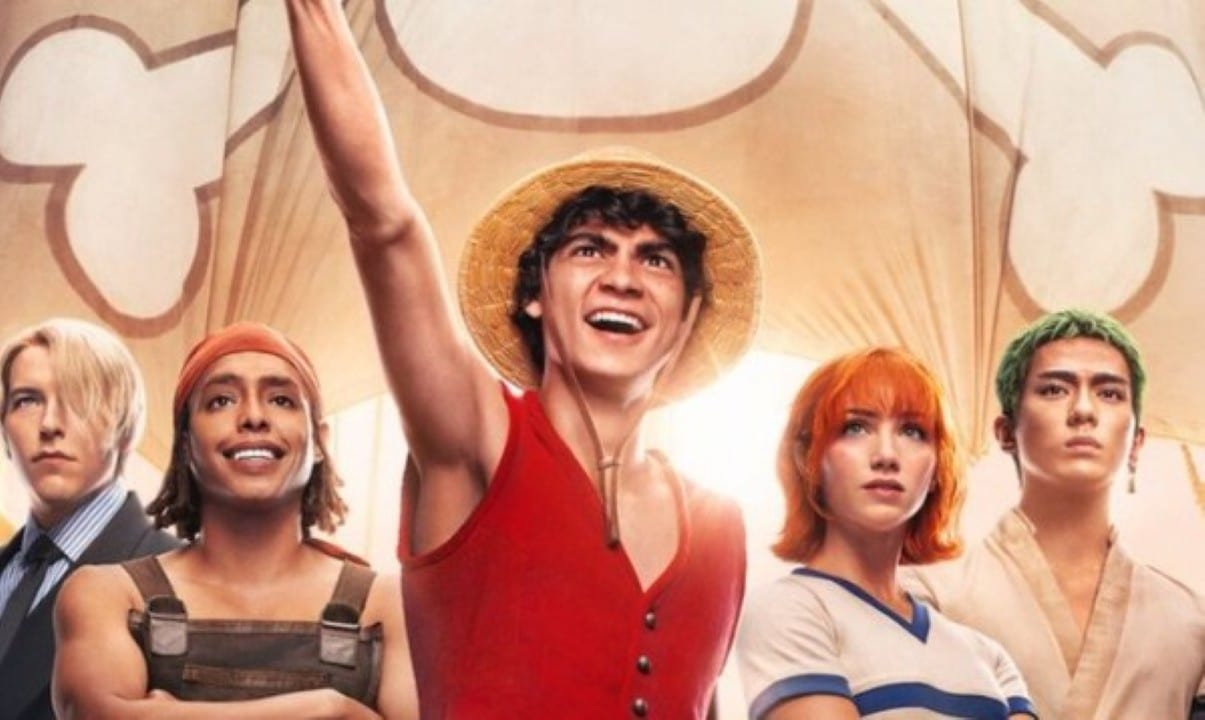
The second season of the live-action adaptation of One Piece, released on Netflix, brings intense moments in the first episode. Monkey D. Luffy and his crew stop in Loguetown, the city where Rei of Piratas Gol D. Ali, Luffy faces dangers that test his resolve, including clashes with enemies old and new.
A mysterious character appears at the end of the episode to help Luffy in critical situations. Primeiro, a sudden storm destroys the execution platform where Buggy, the Palhaço, planned to kill the protagonist. Depois, the same individual confronts Capitão Smoker, preventing him from definitively capturing Luffy.
Later in the season, a flashback reveals more about this savior, known as Dragon. Ele is described as a revolutionary who threatens Governo Mundial, and images confirm his identity as the man from Loguetown. Essa connection adds layers to the narrative, linking Luffy to larger forces in the series’ universe.
Redemption details on Loguetown
The opening episode of season 2 focuses on the arrival of the Chapéus from Palha to Loguetown, a symbolic location for pirates. Luffy explores the city in search of supplies and inspiration, but ends up attracting the attention of marines and rivals. Tensions rise when Buggy reappears, determined to take revenge.
During the execution attempt, lightning strikes the structure, saving Luffy at the last moment. Especialistas speculate that this was not a coincidence, but the result of special abilities. After Logo, Smoker uses his smoke powers to trap Luffy, but the mysterious man intervenes, forcing the release.
Identity revealed in flashback
In the sixth episode, titled “Nami Dearest”, a flashback mentions Dragon for the first time. Ele is presented as a revolutionary leader who gains strength daily. The scene shows an image that matches Loguetown’s savior, confirming his identity.
This revelation occurs during an argument between kings, interrupted by a debate. Embora Briefly, the moment plants seeds for future conflicts. Dragon represents opposition to Governo Mundial, contrasting with the free search of Luffy for One Piece.
Connections to the original manga
The live-action adaptation faithfully follows the Eiichiro Oda manga, especially in the Loguetown arc. In the original, Dragon saves Luffy in a similar way, possibly using weather powers. Netflix maintains these elements, adding modern visual effects for greater impact.
Fans notice subtle differences, such as the series’ fast pace. In the manga, the mystery about Dragon persists for chapters, while season 2 reveals clues earlier. Isso helps new viewers connect with the complex plot.
Producers consulted with Oda to ensure authenticity. Detalhes like Dragon’s visuals and Loguetown’s atmosphere reflect the source material. Essa approach preserves the adventurous spirit of the work.
Fan reactions to the reveal
Many viewers expressed surprise on social media after the initial episode. Comentários highlight Dragon’s dramatic entrance, comparing it to iconic moments from the anime. Alguns praise the special effects in the lightning and the confrontation with Smoker.
Others debate whether Dragon secretly accompanied Luffy. Teorias suggest that his presence in Loguetown was not accidental, but part of a larger plan. Essa discussion increases engagement with the series, boosting views.
Critics point out that the early reveal may reduce suspense for veterans. However, the visual execution makes up for it, making the scene memorable. The online community remains active, analyzing every detail.
Dragon’s role in the larger plot
Dragon is not just a passing savior in season 2. Como leader of Armada Revolucionária, he challenges the oppressive system of the world of One Piece. Sua connection to Luffy adds family depth to the story.
In the series, Dragon appears sporadically, focusing on missions against Governo Mundial. Isso contrasts with his initial intervention, generating questions about his priorities. Fãs speculate that he allows Luffy to grow on his own.
The adaptation may explore this character more in the future. With seasons planned, Dragon should gain prominence in subsequent arcs. Sua initial presence establishes global tensions beyond the search for treasure.
New challenges at Grand Line
After Loguetown, the Chapéus of Palha face Grand Line, full of unpredictable dangers. The season introduces Baroque Works, a criminal organization that complicates the journey. Luffy and his team need alliances to survive.
Islands like Drum Island bring skilled doctors and eternal winters. Ali, new allies join, expanding the group. The narrative balances action, humor and character development, true to the style of Oda.
Conflicts with marines escalate, with Smoker persistently pursuing Luffy. Essa rivalry adds urgency to the plot. The season builds to the Alabasta arc, promising epic battles.
Cast and production of the season
Iñaki Godoy returns as Luffy, capturing the character’s enthusiasm. Emily Rudd, Mackenyu, Taz Skylar and Jacob Romero complete the main Chapéus and Palha. Novos actors play antagonists like Smoker and members of Baroque Works.
The production involved filming in exotic locations to recreate sets. Efeitos enhanced specials deal with devil fruit powers. Oda supervised the script, ensuring fidelity.
Early reviews praise the diverse cast and group chemistry. The season keeps the tone light, but intensifies the stakes. Isso attracts old fans and newbies alike.
Expectations for future arcs
Season 2 paves the way for more complex stories. With Grand Line open, dangers such as storms and sea monsters arise. Luffy evolves as a captain, facing difficult decisions.
Dragon may reappear in flashbacks or mentions, deepening his mystery. Sua later absence frustrates some fans, but enriches the narrative. The series balances individual adventure with global conflicts.
Producers plan more seasons, covering extensive sagas. Isso depends on current success, measured by global views. Positive reception suggests continuity.
Cultural impact of the series
The live-action One Piece broke barriers for anime adaptations. Seu global success introduces manga to new audiences. Netflix invests in similar productions, boosting the genre.
Fans celebrate the faithful representation, contrasting with past failures. The series promotes themes of friendship and freedom. Isso resonates in current contexts, inspiring discussions.
Related merchandise and events grow. Convenções highlights cosplays of characters from season 2. The impact lasts, solidifying One Piece as a cultural phenomenon.
Analysis of action scenes
The fight sequences in season 2 raise the standard set in the first. The confrontation in Loguetown uses dynamic choreography, mixing martial arts and effects. Luffy creatively stretches his powers against Buggy.
Smoker presents challenges with his intangibility. Dragon’s intervention adds dramatic tension. Diretores capture the essence of anime in live action, with fast camera and innovative angles.
Comparisons with the manga show clever adaptations. Extended Cenas explore emotions, deepening characters. Isso enriches the visual experience.
The fluid editing keeps the pace brisk. Músicas composites evoke the original anime, elevating key moments. The result is immersive and captivating.
Perspectives of secondary characters
Nami comes into focus in episode six, revealing her past. Sua Navigation is crucial in Grand Line. Zoro trains intensely, preparing for stronger rivals.
Sanji demonstrates cooking and combat skills. Usopp invents useful tools, contributing humor. Novos members like Chopper promise adorable additions.
Each arc develops crew bonds. Conflitos inmates test loyalty. Isso humanizes the pirates, making the journey relatable.
Preparations for Alabasta
The season builds tension for Alabasta, with intrigue from Baroque Works. Agentes as Mr. 0 plan domination. Luffy allies with princesses and rebels.
Desert climates contrast with turbulent seas. Batalhas on a large scale involves armies. The narrative explores themes of justice and corruption.
Fans anticipate faithful adaptations. The series can condense events to fit into episodes. Isso maintains momentum, avoiding filler.
Initial critical reception
Reviews highlight the fidelity to the source and convincing performances. Pontuações increases on aggregator sites reflect approval. Comparações favorable to the original anime prevail.
Some criticize the pacing, but praise visuals. The diversity of the cast is applauded. The season solidifies One Piece as a streaming hit.
Global audiences drive discussions. Hashtags related trends daily. Buzz ensures continuous visibility.



