

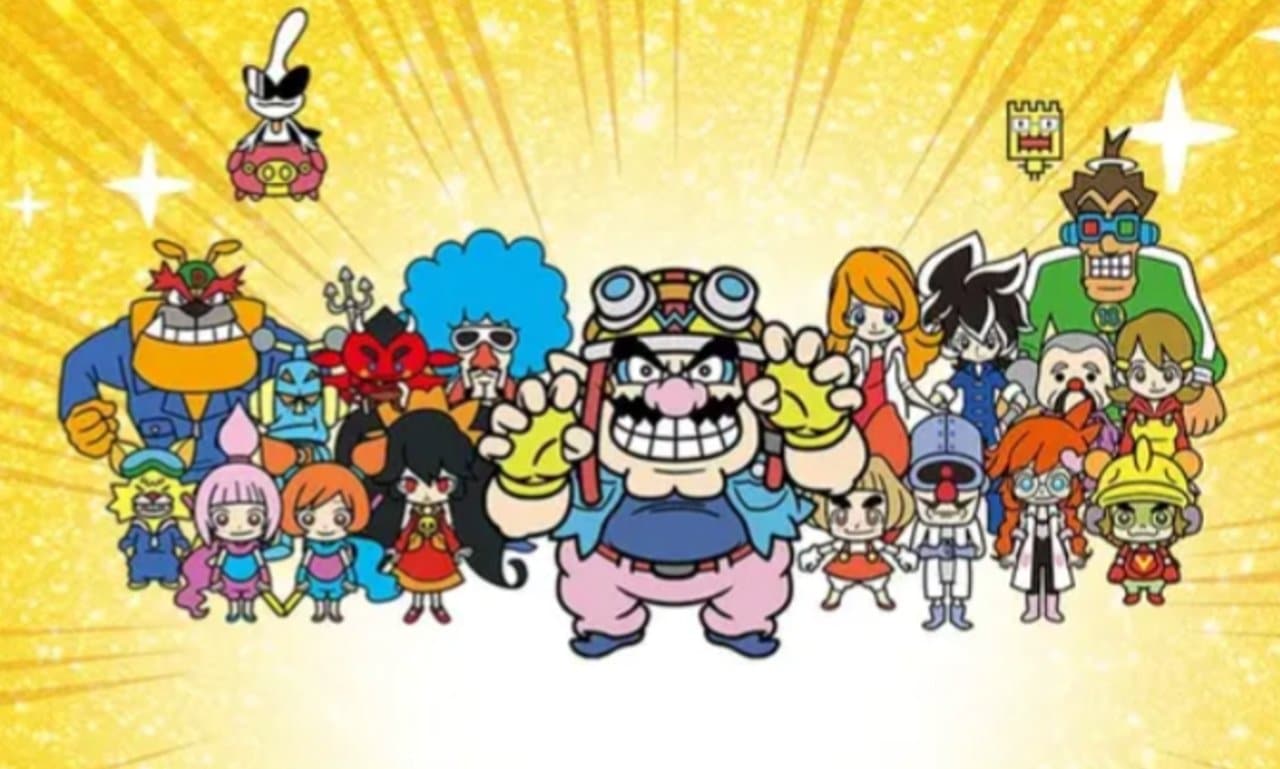
Goro Abe, a prominent figure in the video game universe and known for his direction of the groundbreaking WarioWare series, recently announced his departure from Nintendo after a nearly three-decade collaboration. The decision marks a significant transition in the developer’s career, who is now seeking new avenues for his creativity in the sector.
The experienced game designer plans to direct his energy towards smaller-scale projects with a strong experimental bent. Essa approach will allow Goro Abe to explore unconventional game mechanics and concepts that might not fit into the development structures of a large corporation like Nintendo.
His new professional phase also includes working as a teacher. Abe will join the faculty of Departamento of Jogos Digitais at University of Electro-Communications
Transition from an Carreira Marcante
Goro Abe’s career at Nintendo was widely recognized for the originality and irreverent humor of his projects. At the helm of the WarioWare series, he helped define a genre of fast-paced, challenging “microgames” that required sharp reflexes and lateral thinking from players. The Essa franchise, which was born in the Game Boy Advance, became a landmark for its creativity and its ability to subvert expectations.
His legacy at the Japanese company is undeniable, having contributed to the design of multiple titles over almost 30 years. The decision to seek new horizons reflects a growing desire among veteran developers to explore more autonomous paths with greater artistic freedom, away from the commercial pressures and deadlines of large productions, a common phenomenon in the modern digital entertainment industry.
Abe’s role wasn’t just limited to WarioWare; he has also been involved in other notable projects that have cemented Nintendo’s reputation as an innovator and creator of unique experiences. His wealth of experience will undoubtedly be a valuable asset both in his new development endeavors and in his new academic role, where he can directly influence the next wave of innovation.
The Caminho to Projetos Experimentais
The pursuit of smaller, more experimental projects is not new to the games industry, but a growing trend. Muitos talented developers who have worked at large studios choose this path in search of greater creative control and the opportunity to innovate without the restrictions imposed by million-dollar budgets and expectations of massive sales. Essa is a driving force behind the growth of the indie gaming scene.
Goro Abe publicly explained his motivation. In a statement released on digital platforms, he clarified that the change to teaching does not represent a retirement from the creative game process. Pelo On the contrary, he sees this transition as a new opportunity to continue “creating things through new research approaches”, which suggests a fusion between academic rigor and artistic inventiveness in practice.
This vision encompasses the development of “small, experimental games with unconventional mechanics”, moving away from the standard commercial model. Tais projects can serve as laboratories for new ideas, testing limits and exploring interactions that might be considered too risky for a large commercial launch, but which are essential for the evolution and diversification of interactive media.
The Importância of the Colaboração Academia-Indústria
Goro Abe’s new position at University of Electro-Communications Osaka is a clear example of the growing synergy between academia and the games industry. Instituições higher education institutions have become vital centers for the research and development of new technologies and gaming concepts, offering an environment conducive to experimentation and innovation without the immediate pressures of the market.
Collaboration between industry and academia allows talents like Essa interaction enriches both sides, bringing new perspectives to education and a renewed look at game production.
One of Abe’s focuses in this new scenario will be the development of “gamified social services”. Esta Promising area involves applying game design elements and principles to engage users in activities that promote social, educational, or health benefits. Gamification has shown potential in several spheres, from corporate education to community wellness programs, and Abe’s expertise could be fundamental to its advancement and practical application.
Impact on Indústria and Futuro of Desenvolvimento
The departure of a veteran of the caliber of Goro Abe from a company like Nintendo raises questions about the future of major production companies and the growing attractiveness of the independent and academic scene. Muitos developers seek a balance between the security of a large company and the creative freedom offered by smaller projects, which allow for greater experimentation and authorial focus.
This movement suggests an increasing appreciation of authorship and the exploration of specific niches in the market. The gaming scene is increasingly diverse, and there is room for proposals that break away from the mainstream and deliver innovative experiences. Goro Abe’s presence in academia, combined with his intention to continue creating, could catalyze a new type of development, focused on research and the social utility of games, beyond mere entertainment.
The legacy of creativity and innovation
Goro Abe’s contribution to the video game industry transcends merely creating games; he left an indelible mark by challenging conventions and introducing formats that expanded the understanding of what a game could be. WarioWare, with its frenetic microgames and unexpected concepts, is a testament to its unique vision and capacity for innovation, celebrating surprise and experimentation in every interaction.
The decision by such an experienced developer to branch out into smaller projects and academic teaching also underlines a broader shift in the sector, where creativity and originality are increasingly being recognized outside of big budgets. The flexibility of working in a university environment, combined with the freedom to develop our own concepts, gives Goro Abe a unique platform to continue to influence the gaming world in meaningful and unexpected ways.
The influence of Universidade on Criação of Jogos
University of Electro-Communications Osaka, by welcoming Goro Abe into its Departamento of The presence of a professional with such practical experience and innovative vision is invaluable for students, who will have access to a mentor capable of guiding them through the technical and creative challenges of the field. Este movement reflects a global trend of universities seeking to integrate industry leaders into their programs to enrich the educational experience.
Challenges and Potenciais of Novas Abordagens
Despite the enthusiasm surrounding Abe’s experimental and social projects, challenges inherent to this new approach must be considered. Funding projects outside the mainstream, gaining visibility in a saturated market, and scaling the impact of non-commercial initiatives can be more difficult to manage. However, creative freedom and the potential for radical innovation often overcome these difficulties, attracting developers who seek a purpose beyond immediate profit and a more meaningful contribution.
The potential of Abe in “gamified social services” is particularly intriguing and represents an area of great growth. In an increasingly digitalized world, using games to address complex social issues — from environmental education to mental health and civic engagement — can generate innovative and highly effective solutions. Sua experience in interface design and engaging mechanics will be crucial to the success of these initiatives, which require a deep understanding of human behavior and digital interactivity to be truly impactful.
Perspectives for Desenvolvimento Independente
Goro Abe’s decision to embrace independent and academic development reinforces the vitality and relevance of these sectors. In a landscape where big productions dominate headlines and budgets, the ability of small studios and researchers to create unique and meaningful experiences is more important than ever for the diversification of the industry. Abe’s influence can encourage other veterans and young talent to explore similar paths, fostering a more diverse and creative ecosystem for video games, promoting innovation and continued experimentation.



