

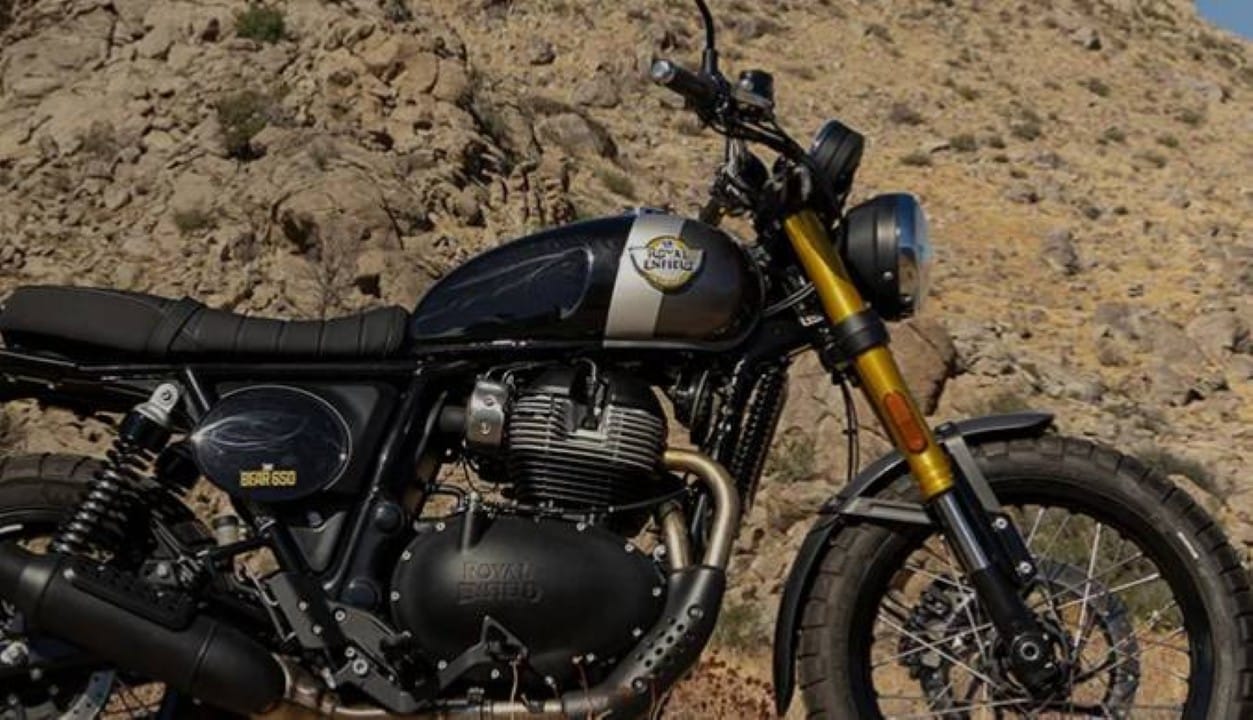
The British manufacturer officially opened the reservation period for its most recent launch on the national two-wheeler market. The unprecedented model arrives to compete for space in the medium-displacement segment with a mixed-use proposal, mixing capabilities for urban traffic and forays onto dirt roads. The initial commercial operation takes place during the month of February, focused on an audience looking to transition between different types of paving quickly.
The logistical schedule established by the automaker defines that the first units will be delivered to buyers from March onwards. Para this introduction phase, the company allocated a restricted batch of 400 motorcycles, which are now beginning to be displayed in physical showrooms spread across the country for visitation and ergonomic evaluation by interested parties.
The price for access to the new vehicle was set at R$33,990, a strategic positioning to attract consumers from lower categories who are looking for a higher capacity engine. The sales policy allows the final price to change depending on the color scheme and graphics selected by the customer at the time of booking, maintaining the brand’s factory customization standard.
The arrival of this initial batch presents specific characteristics for first buyers, including priority in the billing queue, immediate access to complete customization catalogs and targeted service at dealerships qualified for the technical presentation of the new chassis and engine.
Market strategy and brand positioning
The introduction of this new product aims to consolidate the manufacturer’s presence among motorcyclists who wish to upgrade to engines with greater volumetric capacity, without giving up daily versatility. The batch of 400 units creates a scenario of temporary exclusivity in the market, ensuring that the first customers receive priority service and have quick access to the vehicle immediately after the pre-sales phase ends. The commercial tactic seeks to generate initial sales traction and test the receptivity of the Brazilian public to the scrambler design.
Para support this launch, the dealership network underwent an update process, guiding the sales teams to detail the model’s mechanical innovations. The automaker’s internal expectations point to the rapid exhaustion of this first volume made available in February. Caso demand exceeds initial supply, the company is already organizing the opening of new orders for subsequent batches, ensuring continuous supply to stores throughout the first half of the current year.
Mechanical performance and engine calibration
The powertrain chosen to equip the motorcycle is a parallel twin-cylinder block, which has a mixed air and oil cooling system. Este propellant has exactly 648 cubic centimeters of displacement and was subjected to rigorous recalibration by engineers. The main focus of the modification was to adapt power delivery to the demands of mixed use.
In terms of performance, the engine develops a maximum power of 47 horsepower when it reaches 7,150 revolutions per minute. Torque, greatly benefiting from the updates, registers a peak of 5.7 kgfm at 5,150 revolutions per minute. Este gains at lower speeds provide consistent acceleration and agile resumption in traffic.
The electronic injection system received exclusive mapping to optimize traction on unpaved roads. The six-speed manual transmission works in synchronization with a sliding and assisted clutch, a mechanism that relieves weight on the lever and prevents the rear wheel from locking during severe speed reductions.
Reinforced structure and damping system
The structural base of the motorcycle is formed by a steel tube chassis, which has received specific reinforcements to tolerate vibrations and impacts from off-road use. Esta architecture guarantees the torsional rigidity necessary to maintain stability at high speeds, while at the same time supporting torsions generated on uneven terrain.
The front suspension system represents a technological leap for the category, adopting inverted forks manufactured by the Japanese brand Showa. Estes components feature robust 43mm diameter tubes and an extended damping stroke, designed to absorb potholes and imperfections with high efficiency.
At the rear, the design uses a double shock absorber system, also supplied by Showa. The equipment has multiple spring preload adjustments, making it possible to fine-tune the stiffness according to the driver’s weight, the presence of a passenger or the addition of side luggage.
The combination of these suspension elements resulted in a ground clearance of 187 millimeters. Esta high height is essential for overcoming urban obstacles, such as speed bumps and deep ditches, as well as protecting the engine crankcase against stones and debris on rural roads.
Visual inspiration and design elements
The automaker’s design department sought historical references in the traditional desert competitions that took place at Califórnia during the 1960s, with special emphasis on the legendary Big Bear Run race. Esta herança visual é traduzida em linhas minimalistas e funcionais, evidenciadas pelo tanque de combustível em formato de gota, que comporta 13,7 litros, e pelo assento totalmente plano, desenhado para facilitar a movimentação do piloto em manobras de baixa velocidade ou durante a condução em pé na terra. One of the most striking aesthetic differences is the adoption of a two-in-one exhaust system, which replaces the traditional dual exit present in other models on the same platform. Esta solução técnica limpa o visual da lateral direita da moto, reduz o peso total do conjunto e melhora a centralização de massa. The visual package is rounded off by shortened fenders and spoked wheels shod with mixed-use tires with deep grooves, ensuring the necessary grip on the ground without compromising rolling on the asphalt.
Embedded technology and riding safety
The digital instrument panel, with a classic circular shape, contains vital engine data, odometers and the gear indicator. The equipment integrates a turn-by-turn navigation system, which works through Bluetooth pairing with smartphones, eliminating the need for external supports on the handlebars.
The braking system uses discs on both wheels, managed by dual-channel anti-lock technology. The difference for mixed use is the function that allows electronic assistance to be turned off only on the rear wheel, making it possible to intentionally lock the tire to help navigate curves on loose dirt roads.
Ergonomics and adaptation to the driver
Seat height has been set at 830 millimeters from the ground, a measurement that provides a wide view of traffic and an upright riding posture. The ergonomic triangle, made up of wide handlebars, centralized footpegs and a flat seat, guarantees precise directional control, allowing the driver to react quickly to unforeseen events on the road, maintaining comfort on urban or highway journeys.
Detailed technical specifications of the model
Para the consumer evaluating the purchase of this model in the current medium-displacement market, the factory equipment package presents solutions focused on durability and connectivity. The mechanical and technological set was structured to deliver a complete experience without the need to install parallel accessories immediately after purchase.
Entre The main standard items include the 648-cylinder twin-cylinder engine with 5.7 kgfm of torque, the two-in-one exhaust system for weight reduction and the 43 mm Showa inverted front suspension. The model also includes a panel with Bluetooth navigation, brakes with a switchable anti-lock system at the rear, a 13.7-liter tank, a slipper clutch and mixed-use tires mounted on spoked wheels.



