Samsung and Xiaomi tighten restrictions on Android to block system changes
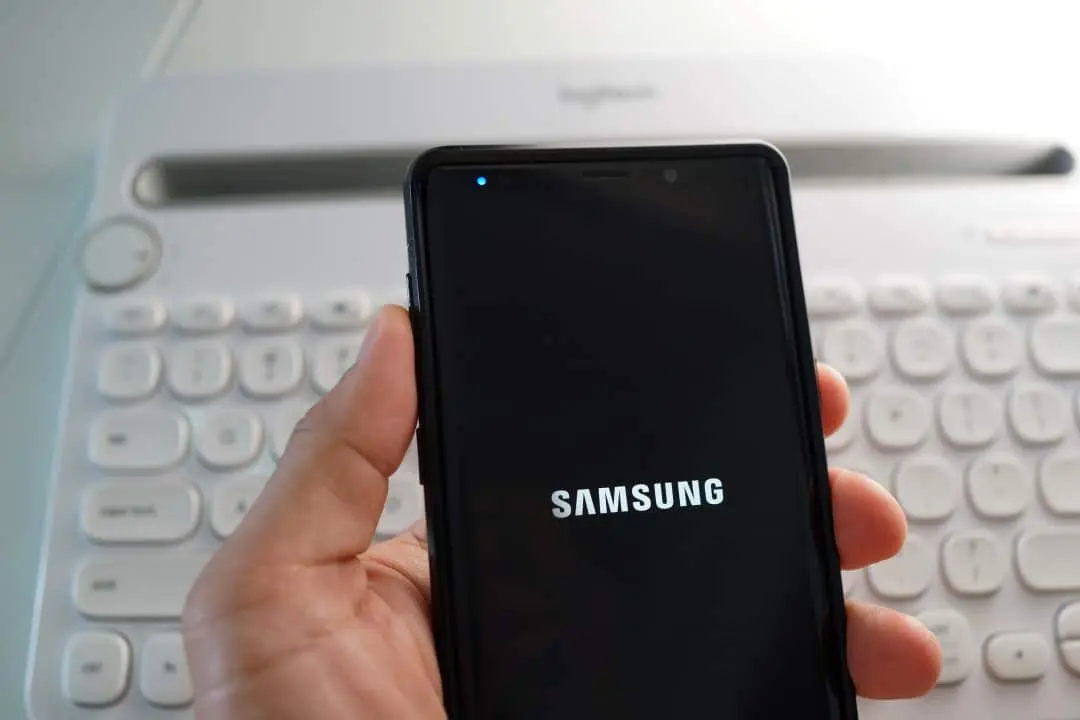
Samsung and Xiaomi have implemented recent updates that restrict users’ ability to change the Android operating system on their devices. Essas changes, seen in models such as the Galaxy S25 and Xiaomi 17 Ultra, aim to increase security but reduce options for custom installations. The actions come amid a global trend of manufacturers prioritizing control over software, initiated by Google measures the previous year.
The impacts directly affect enthusiasts looking to optimize performance or extend the useful life of their devices. With the removal of essential tools such as download mode in One UI 8.5 of Samsung, users face unprecedented limitations. Xiaomi, in turn, reacted quickly to a disclosed vulnerability, strengthening protections in the bootloader.
Experts indicate that these restrictions could influence the mobile device market, where flexibility has always been a differentiator of Android compared to closed systems. Updates were released in March 2026, in line with monthly security patches.
Tools removed by Samsung
Samsung eliminated download mode in its latest updates to One UI 8.5, only displaying a blank blue screen when trying to access it. Essa tool was crucial for manually installing firmware or performing downgrades.
Additionally, the recovery menu has been simplified on the Galaxy S25 and Galaxy Z Fold7, removing options such as clearing the cache and installing via ADB. Agora, only basic restart and factory reset functions remain.
Full coverage: News (EN)
Xiaomi’s rapid response to vulnerabilities
Xiaomi released an emergency update after the release of an exploit that allowed unlocking the bootloader on the Xiaomi 17 Ultra. The flaw, identified in Chinese versions of the device, has been fixed to prevent unauthorized access.
This measure reflects the change in company policy, which previously facilitated modifications, but now adopts stricter rules. Usuários that depended on custom ROMs need to look for alternatives compatible with the new restrictions.
Start of restrictions by Google
Google limited access to the Android Open Source Project source code last year, laying the groundwork for manufacturers’ actions. Essa initiative aimed to protect against malicious exploits, but impacted independent developer communities.
Manufacturers like Samsung and Xiaomi followed suit, integrating these guidelines into their custom interfaces. The changes affect installing community ROMs and obtaining root permissions, altering the Android ecosystem.
Impacts on daily device use
Ordinary users may not notice immediate differences, as the restrictions focus on advanced functions. However, those who perform custom maintenance face barriers to solving specific problems.
Companies argue that the measures increase overall security, reducing malware risks. Ainda Therefore, online communities discuss alternatives, such as devices with factory unlockable bootloaders.
Global trends in mobile security
The March 2026 security updates fixed dozens of vulnerabilities in Android, including critical flaws in graphics components. Samsung incorporated 65 fixes in its patch, with the majority coming from Google, highlighting the collaboration between market players.
Xiaomi, in line with this strategy, prioritizes quick updates for premium models, ensuring that devices like the 17 Ultra remain protected. Essas collective actions strengthen the ecosystem against emerging cyber threats, but require adaptation from advanced users.
European and independent manufacturers, such as those responsible for alternative projects, offer options with greater flexibility. Projetos like GrapheneOS remain viable on compatible hardware, providing additional layers of privacy without compromising usability.
Follow: all about Android restrictions
Evolution of bootloader policies
Bootloader policies have evolved significantly in recent years, with Xiaomi tightening requirements for unlocking. Anteriormente, the company allowed easy access, but now requires rigorous checks, in line with the Google guidelines.
See Also



Samsung, on the other hand, integrated changes directly into the firmware, making rollbacks impossible due to updated security policies. Essas changes prevent the installation of unofficial software, but limit experimentation that would benefit community innovations.
Alternatives for advanced users
Devices like the Google Pixel still allow bootloader unlocking, making it easier to install alternative systems. Comunidades recommend full backups before attempting them, avoiding data loss in complex processes.
Open-source projects emerge as answers, offering ROMs optimized for privacy and performance. Usuários Interested parties must check compatibility with specific models, ensuring that changes do not violate warranties.
Other brands like OnePlus face similar criticism for recent restrictions, expanding the debate over software ownership. Especialistas suggest monitoring official updates to understand future impacts.
Challenges for independent developers
Independent developers deal with limited access to source code, complicating the creation of custom ROMs. Ferramentas such as ADB and custom recovery become obsolete on updated devices, forcing creative adaptations.
Online communities share updated guides, but warn of the risks of permanent bricks. Collaboration between enthusiasts keeps the tradition of modifications alive, despite the barriers imposed by manufacturers.
Security versus freedom in Android
The restrictions implemented by Samsung and Xiaomi, following the path charted by Google, represent a delicate balance between enhanced security and reduced user freedom in the Android ecosystem. Enquanto March 2026 updates fix critical vulnerabilities, including flaws in hardware components like Qualcomm processors, they also eliminate options that allowed deep customizations, such as installing alternative firmware or root access for advanced optimization. Essa unified approach among the market’s leading players aims to mitigate risks of malicious exploits that could compromise personal data or device integrity, but raises questions about the true ownership of software on devices purchased by consumers. Affected Modelos, such as the Galaxy S25 and Xiaomi 17 However, users who rely on modifications to extend functionality or fix factory limitations now need to explore limited options, such as devices with native support for unlockable bootloaders. The global trend indicates that future versions of Android will prioritize built-in protections, possibly influencing regulations in regions like União Europeia, where right-to-repair laws are gaining traction. Especialistas in cybersecurity emphasize that although the measures reduce common attack vectors, they do not eliminate all threats, requiring continued vigilance on the part of users. Projetos communities, in turn, adapt quickly, developing tools that bypass restrictions without violating terms of service, keeping alive the open essence that has defined Android since its launch.
Recent updates and patches
Security patches released in March 2026 cover fixes for more than 120 vulnerabilities in Android, with an emphasis on high-severity flaws. Samsung and Xiaomi have integrated these updates into their ecosystems, ensuring rapid distribution to eligible devices.
Maintaining old devices
Older devices, such as the Galaxy S21 and Note 20 series, lose official support in 2026, leaving them vulnerable to new threats. Usuários are advised to migrate to current models while preserving access to essential fixes.
Manufacturers recommend regular checks for updates to maintain integrity. Alternativas include the use of compatible third-party software, although with associated risks.
Collaboration between manufacturers
Google, Samsung, and Xiaomi collaborate on security standards, sharing fixes for common vulnerabilities. Essa partnership accelerates response to threats, benefiting the ecosystem as a whole.
Initiatives such as March’s Android Security Bulletin detail corrected flaws, promoting transparency. Usuários gain from more resilient devices, even with reductions in advanced features.
Emerging Privacy Strategies
Privacy-focused projects like alternative operating systems gain traction in response to restrictions. Eles offer additional layers of protection without relying on major manufacturers.
Users adopt these solutions to maintain control over data, avoiding integrated tracking. Adoption is growing in markets where surveillance concerns are high.
Future Directions of Android
The Android evolves into a more secure model, with hardware integrations that make modifications difficult. Fabricantes plan updates that prioritize stability, aligned with global regulatory demands.
Innovations in AI and connectivity demand robust protections, justifying current restrictions. Usuários adapt, exploring hybrid ecosystems to balance convenience and customization.