

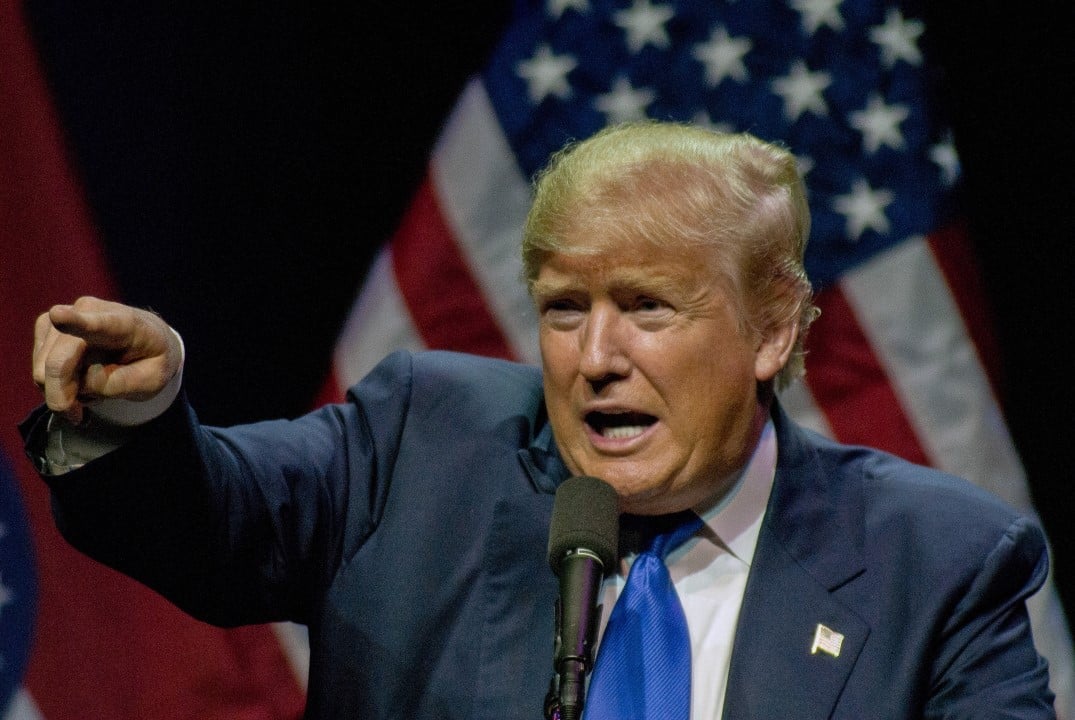
At the height of the conflict between Irã and Israel, which at the time had already lasted twelve days of intense clashes, a statement by The statement, “When I want the war to end, it will”, delivered amid the escalation of attacks on both sides, underlined the perception of his own decisive influence in international crises, reiterating a speech that guided his political trajectory.
The speech of Trump, at the time president of the USA, not only suggested a unilateral power of mediation or imposition of a ceasefire, but was also accompanied by the conviction that the USA had exhausted its options for direct military intervention against Irã. Ele argued that after the recent attacks, “there is virtually nothing left on Irã that the US can attack”, signaling a possible shift in the American strategic approach in the region.
This stance, which mixes bravado and capabilities analysis, adds a layer of complexity to the already intricate geopolitical scenario of Oriente Médio, where the interests of different powers are intertwined and conflicts are often fueled by high-impact statements. The tension between the Irã and Israel, rooted in decades of mistrust and disputes over regional hegemony, is a powder keg whose flames are constantly rekindled by incidents and aggressive rhetoric.
Controversial statements and diplomatic scenarios
Trump’s statement, given in an interview with Axios, came at a time of maximum volatility, capturing the attention of analysts and global leaders. The promise to end such a deep-rooted conflict “whenever he wanted” was seen by many as a manifestation of his self-confidence in dealing with international issues, although by others as an oversimplification of a complex reality.
Regardless of the interpretation, the speech of a former president with a history of direct involvement in negotiations and strategic decisions in the Oriente Médio always carries significant weight. Ela serves as a constant reminder of a leader’s ability to influence public perception and the strategies of the actors involved, even years after the original declaration, reverberating in debates about the role of global leaders in resolving crises.
The complexity of American involvement
Trump’s assertion that the US would no longer have significant targets in Irã after a series of military strikes raises questions about the effectiveness and limits of coercive action. Essa perspective suggests an assessment that the Persian country would have absorbed the impacts of sanctions and specific attacks, developing resilience in the face of external pressure, which would make military intervention less effective in the future.
The history of relations between the USA, Irã and Israel is marked by cycles of escalation and de-escalation, with direct and indirect interventions permeating regional dynamics. The balance of power is constantly reevaluated, and each nation’s strategy is shaped by internal and external considerations, making the involvement of powers like the Estados Unidos an element of constant consideration.
Climbing on Estreito from Ormuz: critical incidents
In parallel to Trump’s statements, Guarda Revolucionária of Irã had intensified its actions in Estreito of Ormuz, a vital point for global oil transportation. Relatórios at the time confirmed attacks on two commercial ships, the Liberian-flagged, Israeli-owned Mayuri Nari, and the Thai-flagged container ship Mayuri Nari.
These attacks were not isolated incidents, but part of an Iranian pressure strategy that aims to challenge the Western presence and reassert its sovereignty in sea lanes considered crucial. Guarda Revolucionária justified the actions by claiming that the ships ignored orders to stop, as reported to the Iranian news agency ISNA, demonstrating the escalation of rhetoric into concrete actions.
The importance of Estreito of Ormuz is undeniable, functioning as a bottleneck for around a fifth of world oil consumption. Qualquer interruption there has the potential to directly impact global markets and energy security, increasing the risk of a greater conflict in the region and attracting the attention of major world powers, concerned about the stability of trade flow.
Regional consequences and global surveillance
The incidents in Estreito of Ormuz and high-level political statements highlight the fragility of peace in the region. The interruption of international navigation, even if temporary, generates apprehension among shipping companies and governments, which depend on this route for global trade. The international community responds to such provocations with condemnations and calls for de-escalation.
The ongoing tension in the region serves as a reminder of the need for diplomatic coordination and security force presence to ensure freedom of navigation. The surveillance of naval powers in the Golfo Pérsico is constant, seeking to dissuade aggressive actions and protect global commercial and strategic interests, preventing the conflict from spreading.
These Iranian actions in Estreito of Ormuz are often interpreted as a response to economic and political pressures imposed by Western powers. By attacking ships or threatening trade routes, the Irã seeks to demonstrate its ability to retaliate and influence regional dynamics, generating a cycle of provocations and responses.
The Oriente Médio region continues to be an epicenter of geopolitical disputes, where maritime security intertwines with issues of sovereignty, energy and influence. The balance is precarious, and any incident, no matter how small, can have repercussions that extend far beyond the borders of the countries directly involved, demanding attention and joint actions to avoid a scenario of chaos.
The status of the Iranian supreme leader and the communication vacuum
Amid this scenario of conflict and impactful statements, there was also news about the new Líder Supremo of Irã, Mojtaba Khamenei. An Iranian official had informed Reuters that Khamenei had suffered a minor injury, but continued to perform his duties, without detailing the circumstances or severity of what happened.
The absence of a public statement by Mojtaba Khamenei since assuming leadership of the country, especially in a period of intense crisis such as the war with Israel, has generated speculation and uncertainty. The lack of official communication about the health status of such a central figure in the Iranian power structure could create an information vacuum that fuels rumors and affects the internal stability and external perception of the regime.
Lasting repercussions on the geopolitical landscape
Donald Trump’s statements about the end of the Irã-Israel conflict, the Iranian attacks on ships in Estreito’s Ormuz, and the news about Mojtaba Khamenei’s health are interconnected pieces in a complex geopolitical mosaic. Elas reflect the constant search for influence and security in one of the most volatile regions in the world. The promise of a quick end to such a deeply rooted, yet audacious, war highlights the realization that certain political figures may have bargaining or intervention power that transcends conventional expectations. The maritime incidents, in turn, demonstrate the continued readiness for military action and determination to protect what the Irã considers its strategic interests, while the health of the Iranian leader adds a layer of uncertainty to the country’s leadership.
The fragility of peace and ongoing diplomacy
The scenario described serves as a stark reminder of the fragility of peace and the unremitting need for diplomatic efforts. The interconnections between political statements, military actions, and a country’s internal stability are evident, requiring a multifaceted approach to resolving conflicts and maintaining regional and global security.



