
Citroën details operations at Stellantis Motorsport factory focused on Formula E innovations

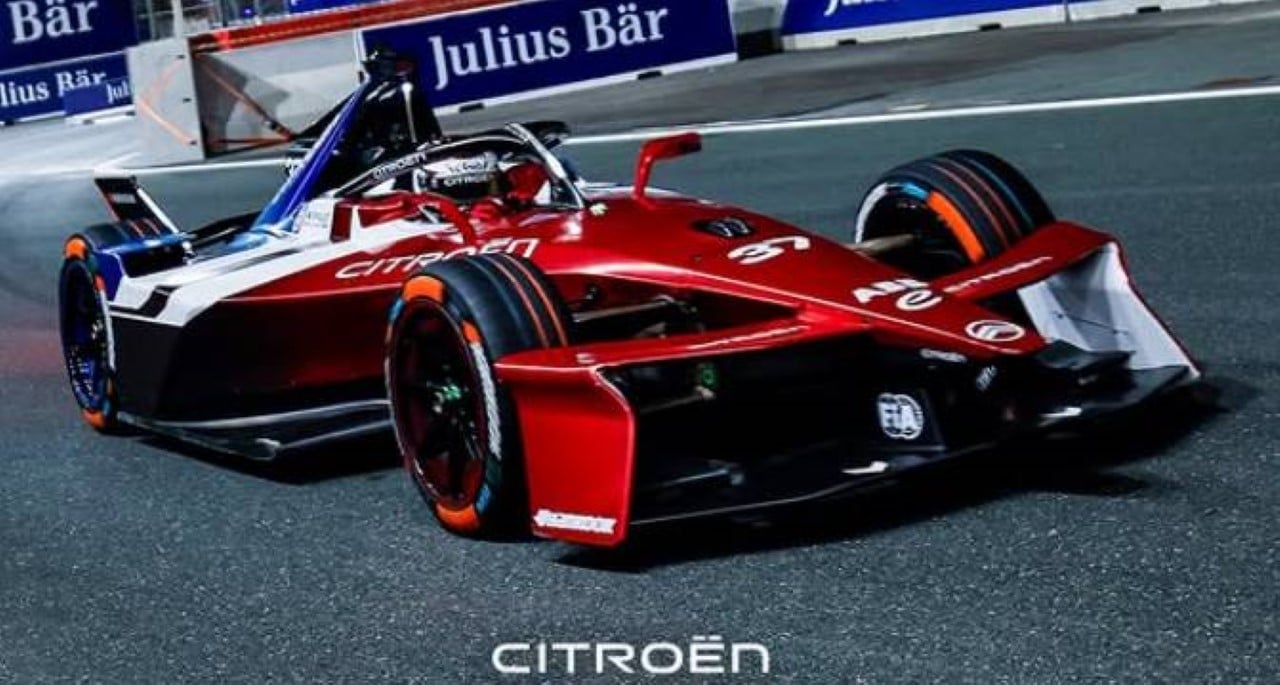
The French automaker has opened access to its high-performance facilities located in Versalhes, on the outskirts of Paris, revealing the development center responsible for electric competition cars. The complex houses hundreds of engineers and technicians dedicated to optimizing vehicles competing in the electric single-seater world championship. The structure centralizes the group’s brand operations, focusing on the technological transition between current and future generations of chassis and engines. The space functions as a rigorous testing laboratory before any component reaches the official tracks, ensuring maximum efficiency in the races.
Cutting-edge infrastructure and development
The technology hub has approximately 400 highly qualified professionals, divided between different research, design and applied mechanics departments. The installation is the beating heart of the operations of DS Automobiles and Maserati MSG Racing, two distinct fronts that compete in the same international electric vehicle event. Centralization allows the automotive conglomerate to optimize financial resources and integrate scientific discoveries more efficiently. Engenheiros work daily on analyzing aerodynamic and energy efficiency data, searching for milliseconds that define positions on the starting grid.
Currently, the engineering teams’ main focus lies on maximizing the potential of current generation vehicles, known in technical regulations as Gen3. Estes cars represent a significant leap forward from their predecessors, requiring a deep understanding of energy regeneration during braking and power delivery to the front and rear axles. Simultaneamente, the designers are already dedicating a large part of their workload to the development of the future Gen4 platform, which will redefine the limits of speed and autonomy in the electric category. The transition between these two technological phases requires detailed planning, as software parts and systems need to be extensively tested in controlled environments. The technical team uses data collected in real time during races to feed mathematical models at the French headquarters, creating a continuous cycle of mechanical and digital improvement.
Physically integrating these teams under one roof facilitates direct communication between software developers and track mechanics. Essa synergy eliminates bureaucratic barriers and accelerates the implementation of crucial updates to battery management and traction control systems.
The fundamental role of virtual simulators
One of the pillars of success on modern tracks is the intensive use of state-of-the-art driving simulators. Antes of any stage of the championship, the starting and reserve drivers spend hours immersed in virtual cockpits that exactly replicate the forces and reactions of the real car.
During these preparatory sessions, competitors complete between 150 and 200 laps on each specific track on the official calendar. The main objective of this exhaustive practice is to analyze the asphalt grip levels, the ideal braking points and, mainly, energy conservation strategies throughout the race.
Advanced mechanical testing and dynamometers
In addition to virtual driver training, the factory has sophisticated dynamometers designed to test electric motors and transmissions under extreme stress. Esses equipment simulates the exact loads that components will suffer during urban tests in different parts of the world.
Engineers program test benches to reproduce the specific conditions of complex circuits, evaluating the thermal behavior of high-voltage parts. Continuous analysis helps prevent mechanical failures that could result in unwanted retirements during official competitions.
Strict quality control procedures are applied to each gear and power inverter prior to final vehicle assembly. The testing machinery operates around the clock, providing a robust database for technical decisions by the team’s sports management.
Synergy between automotive group brands
The strategy of unifying competition operations into Versalhes demonstrates a pragmatic approach to industrial operating costs. Sharing basic infrastructure between different brands within the same group reduces logistical and administrative expenses considerably.
Although the teams keep their visual identities and racing strategies strictly separate, fundamental research into battery cells and lightweight materials is shared. Esse business model maximizes the return on investment in technological research and development.
The transfer of technology from the track to the street car is the central objective of this ongoing engineering effort. The data collected from high-performance engines serves as the basis for creating more efficient and longer-lasting commercial electric vehicles for the general public.
The exchange of information between racing engineers and passenger car designers accelerates innovation across the entire production line. Essa two-way street ensures that discoveries made in motorsport directly benefit the end consumer when purchasing new models.
Preparation for new technical regulations
The imminent introduction of Gen4 platform rules requires a complete restructuring of the way single-seaters are designed and assembled. The new regulations stipulate a substantial increase in energy regeneration capacity and the maximum power released for electric motors. Para meet these requirements, the Versalhes laboratories are developing new material composites to reduce the overall weight of the chassis without compromising structural rigidity. Aerodynamics will also undergo drastic revisions, forcing experts in computational fluid dynamics to redesign the profiles of the wings and floor to optimize airflow.
The testing schedule for the new generation of vehicles is extremely tight, requiring coordinated work shifts between the design and manufacturing teams. The production of the first physical prototypes is already moving the precision machining sectors within the French complex. Cada manufactured component undergoes laser scanning to ensure that dimensional tolerances are strictly within those specified in the original design. Validating these parts on the bench is the final step before assembling the car, which will go to the closed test tracks for the first dynamic evaluations.
Sustainability and energy efficiency
Electric motorsport was born with the premise of promoting sustainability and accelerating the adoption of clean technologies in the global transport sector. Dentro of the automaker’s facilities, this philosophy is reflected not only in the cars produced, but also in the manufacturing processes adopted daily by the technical teams. Sistemas energy recovery systems are used in the dynamometers themselves, capturing the electricity generated during the braking of the engines under test and returning it to the building’s internal network, reducing external consumption. Além In addition, the disposal of old batteries and electronic components follows strict recycling protocols, aimed at extracting and reusing rare metals such as lithium and cobalt. The incessant search for energy efficiency on the tracks drives the creation of increasingly refined software algorithms, capable of calculating the route with the lowest consumption in real time during races. Esses The same algorithms are being adapted for commercial vehicle navigation systems, helping everyday drivers maximize the range of their electric cars in daily urban traffic. The competition therefore acts as a high-speed testing laboratory for environmental innovation applied to urban mobility.
Advanced data analysis and telemetry
Advanced telemetry transmits thousands of data packets per second from cars on the track directly to servers located at França. A dedicated team of analysts monitors this information in real time to adjust critical powertrain operating parameters.
These on-the-fly adjustments can change throttle mapping or the distribution of braking force between the front and rear axles. The ability to process and react to this data quickly defines the competitive advantage during qualifying sessions and official races.
The future of zero-emission competitions
The continuous evolution of research facilities ensures that teams remain at the forefront of fully electrified motorsport. The commitment to rigorous technical development lays the foundation for advancing sustainable mobility on a global scale.



