

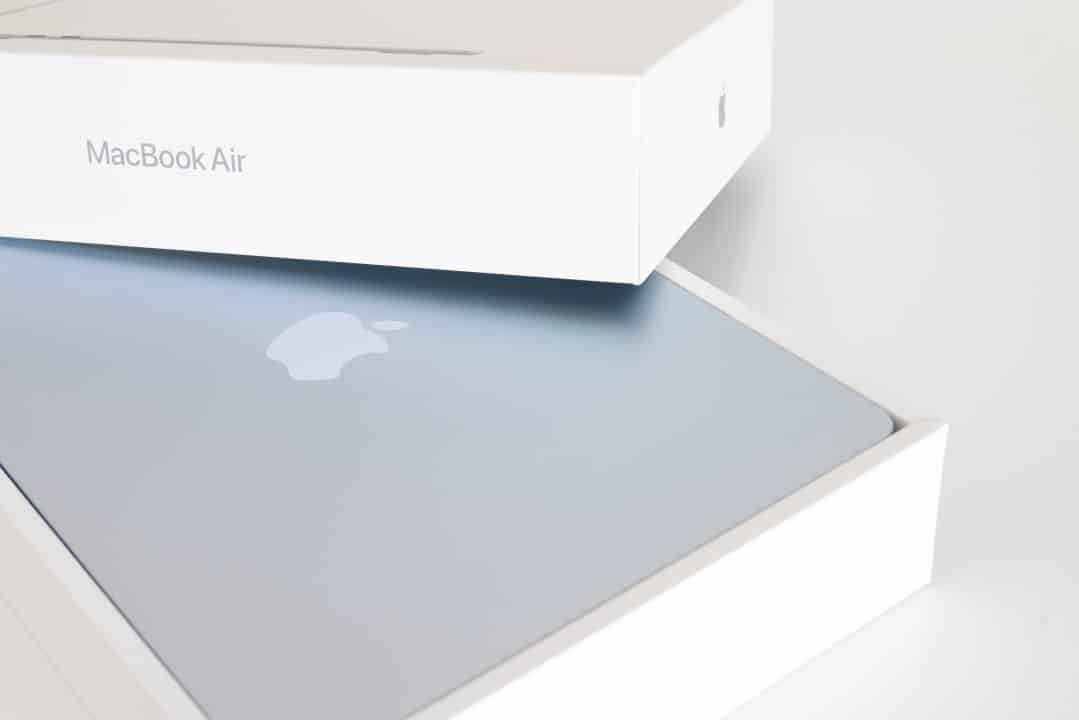
Apple plans to introduce OLED screens on the MacBook Air, but the news should take a few years to become a reality. The technology will first reach the MacBook Pro models, scheduled for release between the end of 2026 and the beginning of 2027. The MacBook Analistas indicate that the price reduction of the technology will be gradual, allowing adoption in mid-range devices only from 2028 onwards.
The transition to OLED has already occurred in other company products. The iPhones and Apple Watches have used the technology for years, while the 11-inch and 13-inch iPad Pro will receive OLED in 2024. Benefits include superior contrast, more vivid colors, deep blacks and greater energy efficiency, as black pixels do not consume light.
Technical advantages of OLED for notebooks
OLED screens provide wider viewing angles without loss of quality. Elas also allow for thinner and lighter designs, which aligns with the MacBook Air proposition. Power efficiency can extend battery life in scenes with dark backgrounds.
The Apple seeks to apply OLED across the premium line of Macs and iPads. The process starts with top-of-the-line models and progresses to more affordable options as costs decrease.
Timeline of adoption in products Apple
The MacBook Pro should receive OLED along with touchscreen functionality in a premium version. Rumores point to mass production in late 2026 or early 2027. Analistas like Ming-Chi Kuo reinforce that the MacBook
Other devices follow similar timelines. The iPad mini and iPad Air should get OLED before the MacBook Air. The company has already started initial work to integrate the technology into the Air.
Factors that slow down MacBook Air
Large, high-resolution OLED panels still have high manufacturing costs. The Apple prioritizes quality and avoids passing on high prices to the target audience of the MacBook Air. An intermediate update with mini-LED does not appear in current rumors.
The strategy keeps the MacBook Air competitive in the mid-range segment. Recent Modelos with M5 chips continue to use LCD, with a focus on performance and autonomy.
Differences between lines Pro and Air
The MacBook Pro serves professionals who demand high-performance screens. The early inclusion of OLED and touchscreen aims to differentiate the premium line. The MacBook Air focuses on portability and everyday use, justifying the wait for the technology to mature.
The Apple applies OLED progressively across the entire range. The complete migration should occur in the coming years, improving the visual experience on notebooks.
Perspective for consumers
MacBook Air users should continue with LCD displays for at least another two years. Atualizações annuals will bring more advanced chips, such as M6 or M7, before the arrival of OLED. Quem seeks superior contrast and efficiency can opt for the updated MacBook Pro.
The company maintains its focus on gradual innovation. Reducing supplier costs will allow the technology to be expanded to best-selling models.



