

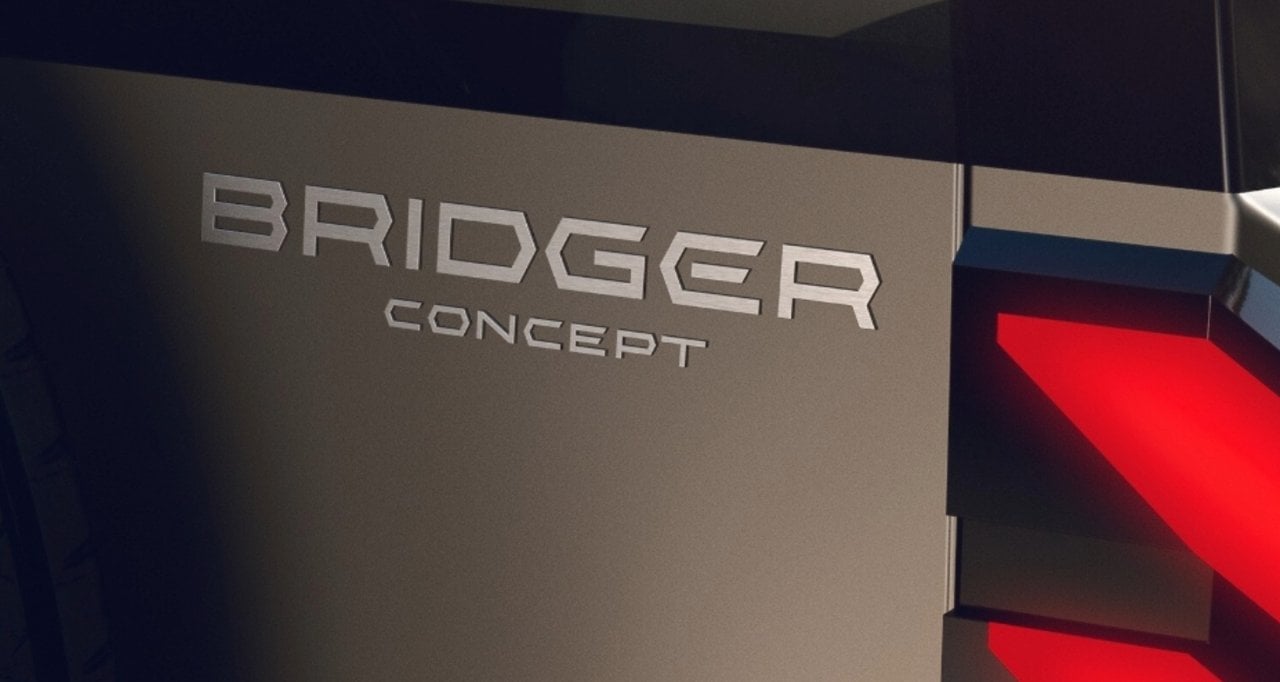
The car manufacturer revealed the details of its latest project aimed at the Latin American market, a compact sports utility vehicle that is being called behind the scenes in the industry the “Mini-Duster”. The new vehicle has the strategic mission of replacing older models on the assembly line, specifically the Stepway, and consolidating the brand’s presence in the segment that has the highest growth rates in the region. The production of the model is confirmed to take place in the industrial complex located at Brasil, with large-scale assembly expected to begin by the end of the automaker’s next investment cycle.
The development of this utility is part of a robust financial support package aimed at emerging markets. Local engineering worked together with the European headquarters to adapt the car’s technical specifications to the severe driving conditions found on South American roads. The designers’ main focus was on the durability of the suspension components, the rigidity of the chassis and the energy efficiency of the powertrain, seeking an ideal balance between performance and low maintenance costs.
Company executives highlight that the project is not just a simplified adaptation of a vehicle sold at Europa, but rather a product designed from the beginning with the Latino consumer in mind. The commercial strategy aims to recover market share among entry-level utilities, offering a technological and safety package superior to that of direct competitors in the same price range. The model promises to deliver a level of internal refinement unprecedented for the category, using textured materials and precision assembly.
Modular architecture and dimensions of the sport utility vehicle
To enable the production of the new model on national soil, the automaker will use the group’s modern modular platform, technically known as RGMP. Esta state-of-the-art structural base is the same one that already equips the brand’s most recent launches on the global market, ensuring a high level of torsional rigidity, weight reduction and improved safety in the event of frontal and side collisions.
The vehicle’s external design relies on straight lines, widened wheel arches and marked creases on the body, giving it a robust appearance reminiscent of higher-end utility vehicles. The front displays the manufacturer’s new visual identity, with sharp headlights divided into two levels with LED technology and a prominent front grille that houses the company’s updated logo.
In terms of dimensions, the engineering project includes a ground clearance of approximately 20 centimeters, an essential measure for overcoming everyday urban obstacles and dirt roads with ease. The approach and departure angles were carefully optimized in the bumpers to avoid scraping in ditches and speed bumps, dynamic characteristics highly valued by drivers in the region.
The interior space was designed to comfortably accommodate five adult passengers, with special attention paid to leg and shoulder room in the rear seat. The luggage compartment offers a volumetric capacity of around 400 liters, positioning the model highly competitively against its main rivals in the competitive urban compact SUV segment.
Hybrid powertrain and fuel efficiency
The great mechanical novelty of the project lies in the adoption of an electrified propulsion system, perfectly aligned with new government requirements for emissions and energy efficiency. The vehicle will be equipped with a modern 1.2 turbo three-cylinder engine, which will work together with intelligent hybrid systems to drastically reduce fossil fuel consumption.
The entry-level versions of the catalog will feature a 48-volt mild hybrid system, which acts as an advanced starter generator to assist the combustion engine in moments of greater torque demand, such as acceleration and restarting on highways. Esta technology allows significant savings in heavy urban traffic, turning off the combustion engine during decelerations even before the vehicle comes to a complete stop at traffic lights.
For top-of-the-line configurations, the manufacturer plans to offer a complete, self-charging hybrid package, capable of driving the vehicle using only electric power at low speeds and maneuvers. Este more complex system uses a battery with greater energy density and dedicated electric motors, delivering superior dynamic performance combined with extremely low pollutant emission rates.
Commercial strategy and market positioning
The launch of this sports utility vehicle is a fundamental piece within the brand’s global strategic plan, called “International Game Plan 2030”. The automaker’s central objective is to reduce historical dependence on the European market and increase profitability margins in rapidly developing regions, such as América Latina and Índia. The new model will operate in a strategic price range, filling the gap left by the discontinuation of adventurous hatchbacks and serving as the main gateway to the manufacturer’s renewed family of SUVs. The sales department’s expectation is that the vehicle will attract consumers who seek the elevated driving position and status associated with utility vehicles, but who do not have the necessary budget to purchase traditional mid-size models.
Market research conducted by the automaker indicates that the main target audience for the new SUV is consumers aged between 35 and 55, residing in large urban centers. Este demographic profile values practical attributes such as uninterrupted connectivity, active security and low scheduled maintenance costs. Para To meet these demanding demands, the vehicle will leave the factory equipped with a state-of-the-art multimedia center, compatible with wireless mirroring for smartphones, as well as a driving assistance package that includes autonomous emergency braking, blind spot warning and lane keeping assistant. The marketing strategy will focus on the versatility of the product, capable of meeting both the needs of daily commuting to work and long weekend trips with the family.
Regional production and export schedule
The start of series production at the Brazilian manufacturing unit is scheduled for the last quarter of 2027, shortly after the completion of the complex adaptations required in the assembly and stamping line. The brand’s field engineers are already carrying out exhaustive road tests with heavily camouflaged prototypes on highways in different states of the country to calibrate the electronic injection systems and the suspension’s behavior under different climates.
The national factory will serve as the main export hub for the model for the entire América and Sul, supplying high-volume markets such as Argentina, Colômbia, Peru and Chile. Após the consolidation of the utility on the American continent, the engineering project will be replicated in other industrial facilities of the brand around the world, with special emphasis on the Indian market, where the subcompact SUV segment has significant annual sales volumes.
Industrial flexibility and nationalization of components
The adoption of the RGMP modular platform represents a significant technological leap for the manufacturer’s operations in the region, allowing unprecedented industrial flexibility in the plant’s history. Esta architecture was designed to support different wheelbase lengths and track widths, which makes it possible to create a complete family of vehicles from a common stamping base. Standardizing structural components invisible to the consumer, such as the front floor, fire wall and HVAC systems, drastically reduces research and development costs, as well as shortening the time required to take a new product from drawing boards to market. Além In addition, the automaker has been working intensely with its network of local suppliers to achieve a high level of nationalization of parts from the first day of effective production. Local manufacturing of complex stampings, high-voltage wiring harnesses and peripheral components of the hybrid system protects the operation against dollar exchange rate fluctuations and ensures competitive retail prices. Este localization efforts also encourage the development of the entire national automotive chain, generating thousands of direct and indirect qualified jobs, and bringing new precision manufacturing technologies to the country’s industrial park.
Potential for full electrification in the future
Although the initial focus of the industrial project is on high-efficiency hybrid powertrains, the physical architecture of the vehicle was designed from the beginning with the technical foresight to accommodate 100% electric propulsion systems in the future. Esta engineering versatility guarantees the commercial longevity of the model in the face of increasingly stringent environmental regulations that are expected to come into force in the next decade in several countries in the region.
The development of an eventual purely electric version would rely on the expertise of the Ampere division, the technological arm of the automotive group dedicated exclusively to zero-emission mobility and software architecture. The introduction of this variant in Latin markets will directly depend on the evolution of public fast charging infrastructure and the long-awaited reduction in production costs for lithium-ion batteries in the international input market.
Preparation of the dealership network
The brand’s network of authorized dealers has already begun logistical and structural preparations to receive the new high-volume model, investing in modernizing the showroom layout and intensive training of sales and after-sales teams. The technical qualification of mechanics is treated as an absolute priority by the board, given the complexity inherent in new hybrid systems, which require specific diagnostic tools and strict safety protocols for the handling and maintenance of high-voltage electrical components.



