

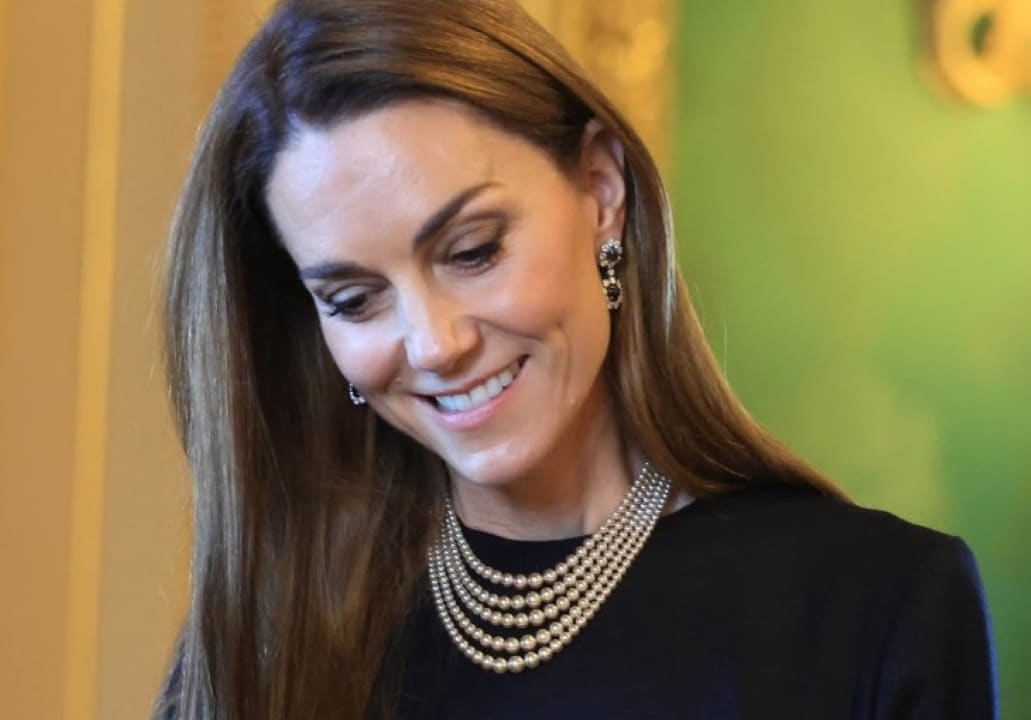
Two global figures with completely opposite aesthetics recently converged on a single fashion choice, catching the attention of the clothing industry. Princesa of Gales, Kate Middleton, and singer Rihanna were photographed wearing moccasins during their most recent public appearances. The choice of footwear highlights a change in seasonal wardrobes, prioritizing pieces that transition between formal and casual environments with ease.
The phenomenon of seeing such different profiles adopting the same item reinforces the versatility of classic design. Enquanto British royalty follows strict dress protocols, the pop artist is known for setting rules in urban style. The intersection of these two realities establishes footwear as a central item for the warmer weather season.
Retail industry experts note that simultaneous adoption by high-profile personalities accelerates in-store demand. The movement generates a cascade effect, where manufacturers and brands from different segments adjust their productions to meet the sudden interest of the consuming public.
Contrast of styles between royalty and the urban setting
Kate Middleton opted for a classic and polished approach during her recent official engagements at Reino Unido. The princess paired earth-toned suede loafers with fitted pants and a structured blazer. The composition maintained the elegance required by royal protocols, adding a level of practical comfort necessary for long walks and visits to institutions.
Rihanna integrated the same footwear into a completely different visual context, focused on street style. The artist chose a minimalist leather pair, pairing them with loose-fitting jeans and slouchy tops. The choice proved the shoe’s adaptability to streetwear, breaking the traditional formality associated with the model.
The difference in compositions demonstrates how the design adapts to various dress codes without losing its visual identity. The flexibility of the footwear allows it to be used in different ways, depending on the accessories chosen.
- Formal wear with structured tailoring and neutral color palettes.
- Casual combinations with loose-fitting pieces and utilitarian fabrics.
- Adaptation for varied events with small changes of accessories and overlays.
Historical evolution of footwear in the women’s wardrobe
Originally designed as a practical shoe for men at the beginning of the last century, the moccasin has undergone decades of structural transformations. Their introduction into women’s fashion brought a sense of practicality, breaking traditional gender norms in clothing and offering a viable alternative to high heels.
Today, the design maintains its classic silhouette, but incorporates modern elements that meet contemporary demands. The transition from a strictly formal item to an essential everyday element reflects broad changes in consumer behavior, where functionality has the same weight as aesthetics.
Diversity of materials and color palettes highlighted
Current collections feature a wide range of materials, going far beyond traditional smooth leather. Suede remains a frequent choice due to its soft texture and matte finish, and is widely manufactured in shades of chocolate brown, burgundy and navy blue.
For consumers seeking greater visual impact, textures such as crocodile embossing and braided raffia have gained significant traction in storefronts. Essas variations add tactile interest to neutral outfits and serve as focal points in minimalist aesthetic looks.
Color palettes have also expanded to include specific seasonal hues. Embora black and beige remain the sales bases, metallic finishes in silver and gold, together with pastel tones, offer fresh alternatives for high temperature days.
Hardware details play a crucial role in differentiating the models available on the market. Fendas Classic, metallic buckles and chunky chains provide distinct personalities to different pairs, allowing audiences to choose options that align with their individual preferences.
Ergonomics and adaptation for intense routines
The moccasin’s structural design offers significant ergonomic benefits, especially when compared to completely flat sandals or high-heeled shoes. Modern iterations often feature cushioned insoles, arch support, and lightweight rubber outsoles, features that make the shoe ideal for prolonged periods of standing or on the move. The focus on foot health aligns with growing consumer demand for products that support an active lifestyle without causing physical wear and tear or discomfort throughout the day.
The quick-on nature adds a layer of practicality essential for busy urban routines. The absence of laces or complex buckles allows for agile use, a feature highly valued by professionals and individuals with rigorous schedules. The combination of structural support and ease of use explains why public figures with extensive daily commitments, such as artists and royalty, gravitate towards this particular footwear option for their regular activities.
Democratization of access and impact on the retail market
The broad visibility of the trend triggered a quick response from the retail sector, making footwear accessible in different price ranges and democratizing consumption. Casas of luxury fashion continue to offer premium versions made with Italian leather and artisanal finishing, targeting a public with high purchasing power willing to invest in heirloom pieces. Simultaneamente, fast-fashion chains and e-commerce platforms have flooded the market with affordable alternatives that replicate the aesthetic of designer pairs with synthetic or alternative materials. Democratization ensures that the trend is not confined to elite circles and can be adopted by the general public immediately. Plataformas of online sales report a significant increase in searches for the item, with consumers prioritizing models that offer a balance between cost, durability and design. The availability of diverse options allows individuals to participate in the fashion movement according to their financial capacity, consolidating the moccasin as a mass-market phenomenon that drives the economy of the footwear sector globally.
Usage strategies for different professional environments
Integrating footwear into corporate environments requires minimal effort due to its inherently polished and structured appearance. Combining dark leather models with tailored suits or midi-length skirts creates a professional image suitable for traditional offices.
In creative or casual workplaces, dress codes allow for greater experimentation. The shoes can be worn with shortened trousers, light cotton dresses or tailored shorts, offering a sophisticated alternative to sports sneakers.
Consolidation of the model in the current scenario
The convergence of endorsements by high-profile figures, design focused on practicality and widespread market availability ensures the continued relevance of this footwear format. The ability to bridge the gap between distinct fashion sensibilities confirms the shoe’s status as a fixture in contemporary wardrobes.



