

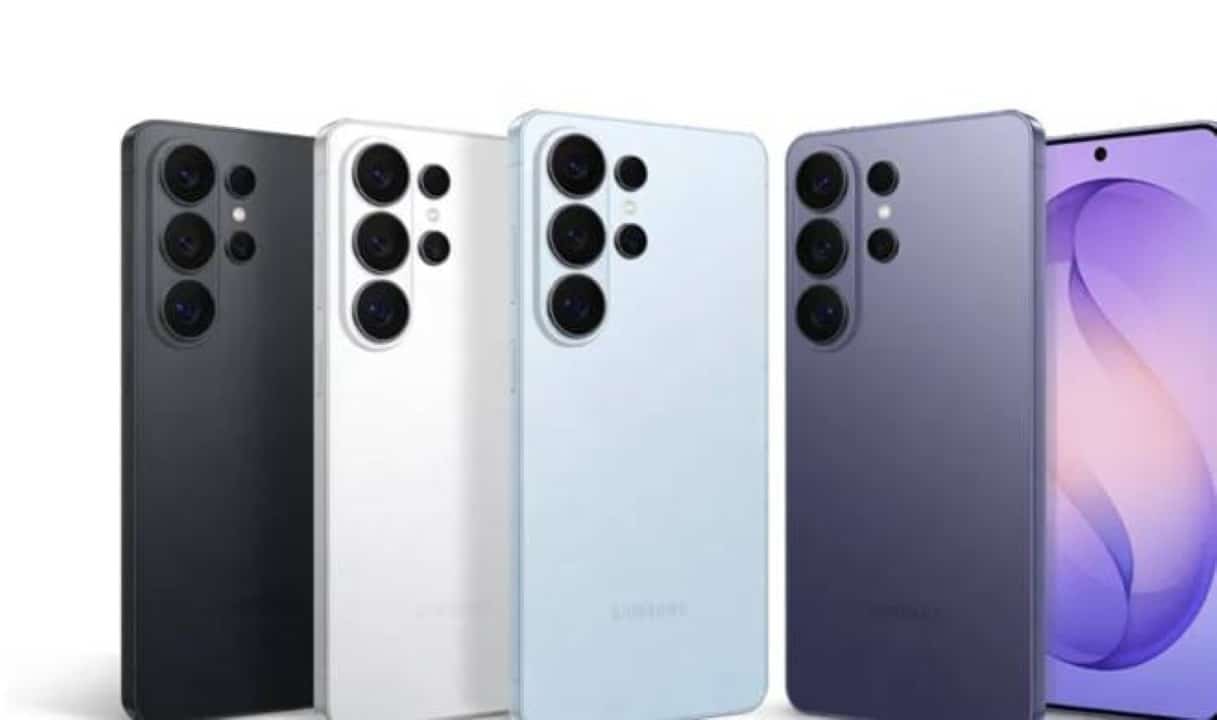
The launch of a South Korean giant’s latest high-end mobile device has sparked an unforeseen wave of dissatisfaction in the global electronics industry. Compradores of the device began a massive movement to return the equipment a few days after the start of official sales in physical and virtual stores. The central reason for the rejection is linked to an innovation implemented directly on the device’s panel, initially designed to increase the security of information displayed during daily use.
The manufacturer introduced a privacy layer built into the screen’s hardware, with the aim of preventing people around them from viewing the user’s content in public places. However, the physical change resulted in a severe degradation of the overall visual experience. Relatos technicians point out that the screen has a darkened appearance and washed out colors, taking on grayish tones, even when viewed perfectly from the front by the device owner.
The situation forced the company to immediately reevaluate its distribution and technical support strategy around the world. Redes of retail and e-commerce platforms registered an atypical volume of full refund requests, configuring a complex logistical scenario for the technology sector. The promise of premium equipment aimed at high productivity ended up being overshadowed by the physical barrier imposed by the new factory-integrated security system.
Specifications of the new visual security layer
The technology applied to the display uses a directional polarization filter permanently positioned on the light-emitting panel. Este componente foi desenvolvido em laboratório para restringir a propagação luminosa em ângulos laterais, bloqueando a visão de qualquer indivíduo que não esteja posicionado em um ângulo de noventa graus em relação ao aparelho.
In practice, directional limitation directly affects the perception of brightness and contrast, impairing the basic usability of the equipment. The light that should spread evenly ends up being channeled in an extremely restricted way, which creates the sensation of a screen permanently configured with the brightness at the minimum level.
Hardware assembly experts point out that integrating this privacy layer directly into the manufacturing of the front glass eliminates the possibility of physical removal by the consumer. Diferente of plastic protective films sold separately in the aftermarket, the polarizing filter is a structural and inseparable part of the primary display component.
The structural change also harms color fidelity, one of the main historical attractions of the brand’s line of high-cost devices. The deviation in color calibration transformed vibrant tones into opaque images, generating immediate frustration among professionals and consumers who use the device for high-resolution media consumption and photo editing.
Buyers’ reaction in the first weeks of use
Customer support platforms and technology forums were quickly flooded with technical details about the display’s anomalous behavior. Usuários published tests comparing the new model with previous generations of the same line, highlighting the loss of visual quality in environments with direct natural lighting or intense artificial light in offices.
Many buyers have reported that viewing difficulties cause rapid eye fatigue, making reading long texts and prolonged browsing uncomfortable. The impossibility of sharing a video view or showing a document to a person next to you, due to side dimming, was also cited as a determining factor for returning the product to stores.
Reverse logistics logistics in electronics retail
The volume of returns required a quick adaptation of exchange policies by large electronics retail chains. Lojas physical companies had to allocate additional service teams just to process the receipt of rejected devices and carry out the mandatory technical screening before shipping to the manufacturer’s regional distribution centers.
Online sales platforms have implemented specific digital forms to streamline the reverse logistics process, categorizing the screen issue as an unwanted design feature rather than misuse by the customer. Essa administrative classification guarantees that the consumer receives a full financial refund without charging depreciation fees for breaking the packaging seal.
The atypical movement of returns generates high operational costs for the entire supply chain involved in the operation. The return trucking, quality inspection, repackaging and disposal of thousands of newly activated units represents a considerable financial setback for the company’s mobile device division.
Correction attempts through system updates
In response to widespread dissatisfaction, the manufacturer’s software engineering team began developing an emergency network update package. The technical proposal involves modifying the operating system’s color and brightness management algorithms, forcing the panel to operate at higher frequencies and emit a greater amount of light to compensate for the physical blocking generated by the built-in privacy filter.
This digital approach attempts to recalibrate color gamut and increase peak brightness in everyday use scenarios by altering the original factory parameters. The developers seek a calibration point where the image appears more natural and saturated for the user positioned from the front, masking the grayish effects caused by the structure of the upper glass. The solution, however, encounters barriers in the laws of physics applied to electronic components.
Technical limitations and panel power consumption
Attempting to circumvent a physical barrier by increasing the display’s light power has direct and severe consequences for the equipment’s autonomy. By forcing the organic light-emitting diodes to work at maximum brightness constantly to pass through the polarizing filter, the battery’s energy consumption is drastically accelerated, reducing the time the device can be used between recharges at the socket. Além due to excessive energy expenditure, continuous operation in high light increases the internal temperature of the device abnormally. Esse Heat can trigger the central processor’s thermal protection mechanisms, causing the system’s overall performance to automatically reduce to prevent damage to the motherboard. The accelerated degradation of screen components is also a technical risk factor, which can result in permanent image retention marks in a period much shorter than the projected useful life of a higher category equipment. The company’s engineering deals with the difficulty of improving immediate visual quality at the cost of the physical durability and energy efficiency of the final product.
Review of projects for future assembly lines
The episode forced the hardware development department to suspend the expansion of privacy screen technology to other models in the corporate portfolio. Projetos in progress that included the inclusion of the polarizing filter in the brand’s tablets and notebooks were temporarily stopped in the factories for technical reassessment and in-depth research into market acceptance.
The manufacturer is studying alternative methods to offer visual security without compromising the fundamental quality of the display. The possibility of returning to the use of traditional removable films or developing panels with electronically activated polarization on user demand is being rigorously tested in the matrix’s research and development laboratories.
Current sales position and availability
Sales of the device continue to be active through official distribution channels, now accompanied by informative technical notes on the specific features of the directional display’s operation. The company maintains an easy return policy in all regions of operation, while engineering teams monitor product retention rates following the ongoing release of software tuning packages focused on color calibration and power management.



