
Automaker Tesla releases comfortable braking feature via remote update for the new Model Y

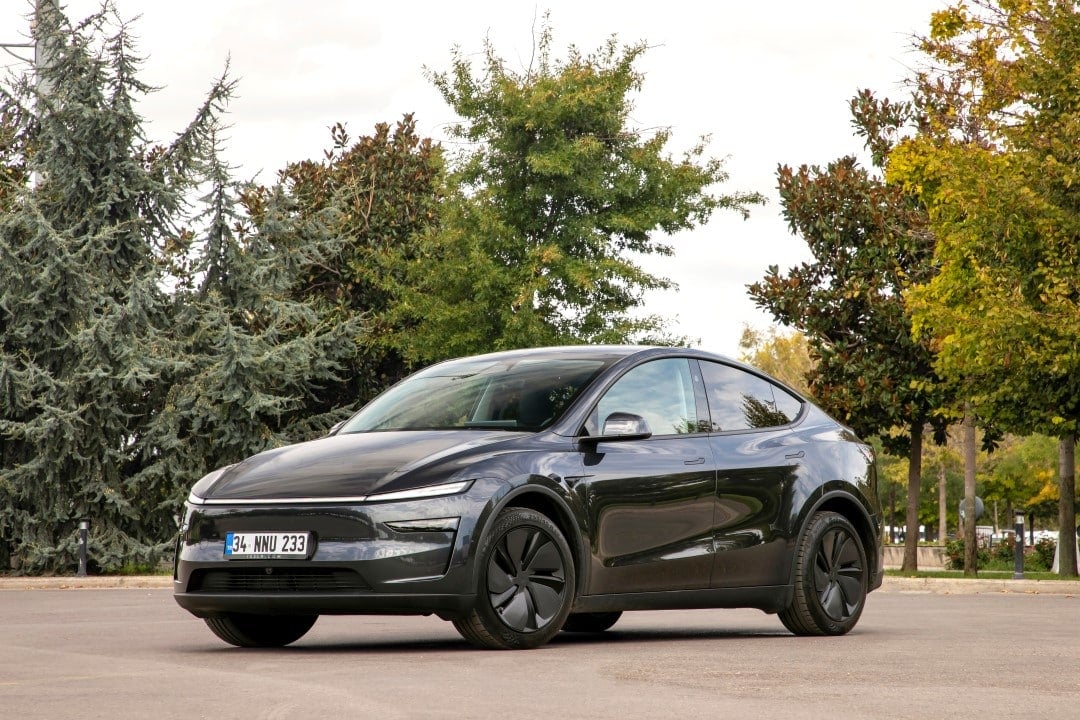
The North American electric vehicle manufacturer has begun distributing a new software package aimed at optimizing driving dynamics. System version 2026.8 brings as its main new feature a function developed to smooth out the exact moment in which the car reaches total immobility.
The technological package was released remotely and has already started to be installed on the on-board computers of the brand’s sports utility vehicles. The change acts directly on the algorithms that control the electric motors and brake calipers during the last meters of rolling.
The automaker’s engineers focused on eliminating the characteristic jolts that occur when the vehicle’s weight moves forward when stopping. The measure meets a technical requirement standard focused on the occupants’ experience on urban routes with heavy traffic.
Dynamics of the new smart stop system
The implementation of the technology changes the way the brake pedal and energy regeneration interact in the final moments of deceleration. The software calculates inertia and applies a gradual force that prevents the wheels from suddenly locking, ensuring an imperceptible transition.
Drivers who use the vehicle daily in cities face constant stop and go situations, which requires precise control of the pedals. The new programming code smoothes the transition between regenerative braking, which uses the electric motor to reduce speed, and mechanical friction from the brake pads. Essa fine calibration prevents the pendulum effect in the cabin, keeping the body stable and providing a more linear journey for all passengers on board.
The development of this functionality involved collecting data from thousands of kilometers driven, allowing the automaker’s artificial intelligence to map the most comfortable braking patterns. Using this information, the technical team established specific parameters that are now automatically applied by the car’s system. The 2026.8 package release notes highlight the following action points of the new programming:
– Redução of hydraulic pressure in the final milliseconds before stopping.
– Modulação of rear electric motor reverse torque.
– Improved Sincronização between speed sensors and stability control module.
Exclusivity for recent architecture
The release of the soft stop feature does not cover the entire fleet in circulation. The automaker restricted the novelty to sports utility vehicles manufactured under the update project known internally as Juniper, which encompasses the most recent units in the catalog.
This technical limitation occurs due to differences in hardware components present in previous generations. The recently launched models have faster processors and brake actuators with greater responsiveness, essential elements for implementing the new comfort algorithms.
Mechanics of deceleration in electric vehicles
Driving battery-powered cars differs substantially from combustion models due to the kinetic energy recovery system. When you ease off the accelerator, the electric motor reverses its operation, acting as a generator that recharges the battery while braking the car.
This feature allows for so-called one-pedal driving, where the use of the mechanical brake becomes rare in normal traffic conditions. However, stopping completely with regeneration alone can result in abrupt movement if not perfectly modulated by the control software.
The new update acts exactly on this gap, taking control of the deceleration in the last kilometers per hour. The system combines the magnetic force of the engine with light pressure on the pads, ensuring that the vehicle stops without the occupants being thrown forward.
Impact of remote updates on the industry
The ability to change fundamental characteristics of an automobile after it is sold has transformed the dynamics of the global automotive industry. Sending data packets over the internet allows cars to evolve and gain new functions while they are parked in their owners’ garage.
This business model reduces the need for visits to dealerships for mechanical adjustments or corrections of programming flaws. The centralized electronic architecture facilitates communication between all vehicle modules, from the entertainment system to the brakes and steering.
The introduction of optimized braking exemplifies how software has become as important as mechanical engineering in designing new products. Traditional automakers are now racing to develop similar digital platforms, seeking to offer the same level of continuous upgrades.
The product’s life cycle is extended, as a car manufactured months ago can receive the same technology as a model that has just left the assembly line, as long as it has compatible hardware to process the new lines of code.
Evolution of internal comfort and insulation
The search for a more refined ride has been a priority in electric vehicle engineering, since the absence of combustion engine noise exposes other dynamic imperfections. Sem traditional vibration, passengers become more sensitive to bumps, wind noise and roughness of the asphalt. Suspension calibration and pedal response need to be meticulously adjusted to create a cabin atmosphere that meets the expectation of a high-value-added product in today’s market.
In addition to stopping dynamics, recent updates to the SUV’s architecture have included significant physical improvements. The adoption of double acoustic glazing, redesigned suspension bushings and denser sound-absorbing insulation materials worked in conjunction with software improvements. The combination of these physical changes with the new braking programming creates an internal environment that is substantially more isolated from external interference, raising the standard of comfort during travel.
History of modifications via artificial intelligence
The history of enhancements sent via wireless network demonstrates a trajectory of continuous refinement of the fleet’s dynamic capabilities. In past updates, the brand’s engineering team had already modified the acceleration curve to make it less aggressive in standard driving mode, in addition to rewriting the autonomous driving system codes so that the vehicle performed curves and lane changes more naturally, resembling the behavior of an experienced human driver. Outros pacotes de dados focaram na otimização do gerenciamento térmico das baterias, aumentando a autonomia em climas frios, e na calibração do sistema de direção por fios de picapes da marca, ajustando a relação de giro do volante conforme a velocidade. The introduction of active road noise cancellation, which uses the cabin’s speakers to emit frequencies contrary to tire noise, was also a milestone in the use of software to solve problems traditionally treated only with complex mechanical interventions.
Hardware engineering adjustments
The effectiveness of the lines of code directly depends on the quality of the physical components installed on the car’s axles. The latest generation brake discs, calipers and hydraulic fluids are sized to respond to electronic commands with near-zero latency, allowing artificial intelligence to make micro-adjustments to braking force in real time.
Positioning in the global automotive market
The continuous improvement of the brand’s best-selling sports utility vehicle reinforces its competitiveness in a segment that receives new competitors monthly. Fabricantes Asians and Europeans have raised the standard of finishing and technology, demanding quick responses from pioneering companies in the electrification sector.
The strategy of delivering noticeable improvements at no additional cost to the end consumer acts as a loyalty tool. The perception that the vehicle becomes more refined over time changes the traditional relationship of depreciation and obsolescence that has always guided the passenger car market.



