

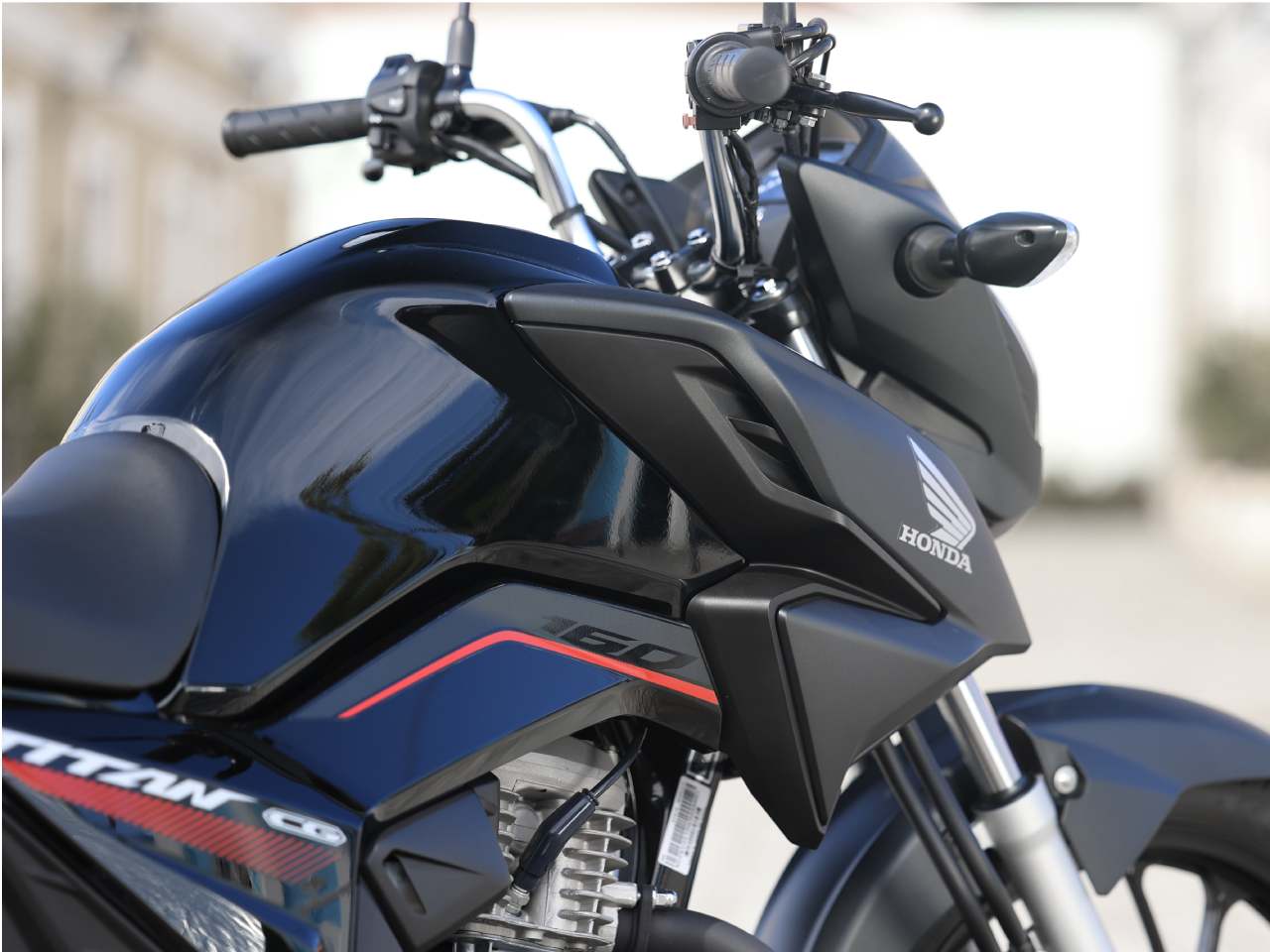
The Japanese manufacturer is preparing to introduce the updated street motorcycle into the Brazilian market for the last quarter of 2026. The most sold model in the country is undergoing a profound technical redesign to adapt to contemporary environmental requirements. The modifications implemented by the automaker aim to reduce the emission of polluting gases and noise into the urban atmosphere, maintaining the performance expected by daily users.
The vehicle modernization project involves precise adjustments to the powertrain and exhaust system. Engenheiros of the brand focused on maintaining the mechanical reliability already known by consumers, while integrating technological components that are unprecedented in the low-displacement category. The transition reflects a global demand for two-wheeled vehicles that are more efficient, safe and aligned with sustainability guidelines.
Concessionaires spread across the country have already started logistical planning to receive the first units manufactured. Training sales teams and mechanics is also part of the company’s official schedule before the product arrives in stores. The expectation of the automotive sector is that the renewal will further boost registrations in the category, moving the national production chain.
Strict compliance with pollution control program guidelines
The engineering applied to the 162.7 cubic centimeter single-cylinder engine represents the company’s direct response to the strictest phases of the Promot. Este government program establishes progressive limits on the release of pollutants and noise by new two-wheeled vehicles in Brasil. Para reached the required levels, the PGM-FI electronic injection underwent a complete recalibration, optimizing the exact moment of combustion of the mixture between air and fuel. Essa precision in the internal workings of the propellant guarantees a significant reduction in the emission of carbon monoxide and unburned hydrocarbons. The exhaust system also received special attention, incorporating additional high-efficiency catalysts that filter gases before they reach the atmosphere.
The flexible technology propellant maintains the ability to operate with both ethanol and gasoline in any proportion. Mechanical performance reaches 14.7 horsepower when fueled with sugarcane derivatives and 14.4 horsepower with fossil fuel. The torque generated by the set is established at 1.43 kilogram-force meter and 1.41 kilogram-force meter, respectively, guaranteeing sufficient force for starting and restarting in urban traffic. The strategy adopted by the manufacturer allows the motorcycle to record an average fuel consumption of close to 45 kilometers per liter under ideal driving conditions. Essa energy efficiency directly meets the needs of workers who use vehicles as a daily income-generating tool.
Aesthetic redesign and integration of new lighting systems
The design department developed an unprecedented visual identity to reinforce the model’s presence on Brazilian streets. The fairing that surrounds the fuel tank has more aggressive lines and pronounced creases, conveying a feeling of greater volume and robustness. The side fins were redesigned to improve the airflow directed to the engine, helping with the natural cooling process during travel.
The adoption of full LED technology in the main headlight and taillight represents an advance in active safety for motorcyclists. The white beam of light provides greater range and clarity during night driving, in addition to making the motorcycle more visible to other drivers in traffic. LED components also offer a longer lifespan compared to traditional halogen lamps, reducing the need for corrective maintenance.
The color catalog available for the 2026 version has the addition of a pearlescent gray tone exclusive to this generation. Esta new color option joins the traditional metallic red and metallic black, which have historically concentrated buyers’ preference at dealerships. The paint finish receives a high-resistance varnish to withstand daily exposure to sunlight and adverse weather conditions.
Improvements in cycling and impact absorption
The front suspension structure uses telescopic tubes with a diameter of 33 millimeters and an extended damping stroke compared to previous versions. Esta technical configuration allows for a more accurate reading of asphalt irregularities, filtering vibrations before they reach the handlebars. The system was specifically calibrated to deal with the mixed paving found on most urban roads in the country.
At the rear, the set consisting of two shock absorbers and coil springs guarantees the motorcycle’s directional stability at different speeds. The equipment offers preload adjustment, allowing the rider to adjust the suspension stiffness according to the weight transported. The balance between the axles provides predictable dynamic behavior, even when the vehicle operates at its maximum permitted load capacity.
Onboard braking and connectivity devices
The braking system of the top-of-the-line version features ventilated discs installed on both alloy wheels. The front wheel houses the single-channel ABS anti-lock system, which prevents the tire from locking during emergency braking or slippery surfaces. The mechanism works through sensors that monitor wheel speed and modulate the hydraulic pressure in the brake caliper.
The instrument panel adopts the digital blackout standard, characterized by a dark background and high-contrast characters for easier reading. The display contains vital information such as speedometer, rev counter, fuel level and an on-board computer complete with odometers. The rider also has access to an engaged gear indicator, a feature that makes riding easier for motorcyclists with less experience in traffic.
The inclusion of a USB Type-C port on the front panel meets growing demand from connected users and delivery professionals. The equipment allows smartphones and GPS navigation devices to be quickly recharged during daily journeys around the city. The socket has a rubberized cover that protects the electrical contacts against the ingress of water and dust.
The integration of these electronic resources occurs without compromising the electrical simplicity that characterizes the brand’s family of motorcycles. The main harness was resized to support the additional load of the new components with complete safety against short circuits. The factory-sealed battery is maintenance-free and ensures continuous power supply to all onboard systems.
Strategic positioning in the national market
The Japanese automaker’s line of urban motorcycles holds a share of more than twenty percent in the total volume of registrations registered in the Brasil. The robust commercial performance is based on the versatility of the product, which simultaneously serves delivery professionals, students and commuters. The technological update scheduled for 2026 has the clear objective of shielding this leadership against the offensive of competing manufacturers who have been expanding their portfolios in the low-displacement segment. The company’s market intelligence department identifies that today’s consumer demands a higher level of standard equipment, without giving up liquidity at the time of resale. The market value of pre-owned units tends to show lower depreciation compared to the category average, a factor that directly influences the purchasing decision at dealerships. The capillarity of the technical assistance network, present in practically all Brazilian municipalities, works as a pillar of support for customer loyalty over the years. The pricing strategy for the new model must maintain competitiveness, absorbing part of the development costs of emission control technologies. The macroeconomic scenario indicates a maintenance in demand for economical vehicles, driven by the operating costs of public transport and the search for agility in large urban centers.
Chassis structural specifications
The structural basis of the motorcycle is based on the renowned Diamond type chassis, made of high torsional resistance steel tubes. The engine acts as an integral part of the structure, contributing to the rigidity of the assembly during evasive maneuvers and sharp turns. The eighteen-inch wheels are fitted with mixed-use tires, developed to offer grip on both dry asphalt and wet surfaces.
Factory coverage and customer support
The after-sales package offered by the manufacturer includes a three-year factory warranty, with no limit on the mileage traveled by the user. The scheduled maintenance program establishes the free supply of engine lubricating oil from the third periodic inspection stipulated in the manual. The plan aims to encourage the owner to carry out preventive services within the authorized network, ensuring the longevity of mechanical components.
The industrial schedule predicts that the assembly line located at the Manaus hub will reach maximum production capacity in the last quarter of the year. Distribution logistics will use road routes and cabotage to supply points of sale in all regions of the country simultaneously. The immediate availability of spare parts was also ensured from local suppliers to meet any technical assistance demands.



