

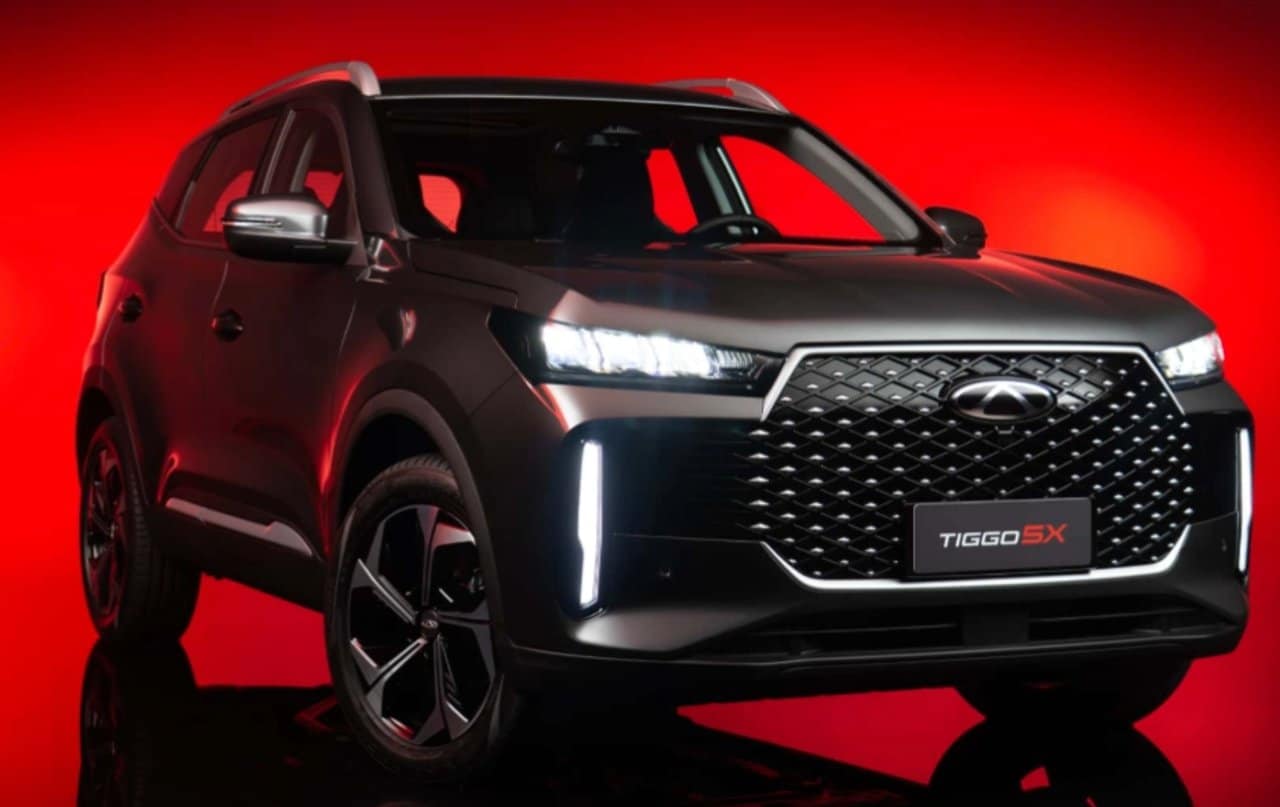
Automotive manufacturer CAOA Chery has started selling the 2027 line of the Tiggo 5X sports utility vehicle in the national market. The vehicle arrives at dealerships with updates focused on onboard technology and interior design renewal. The main visual and functional change to the model focuses on the adoption of a new system of screens integrated into the front panel.
The official launch took place in the second week of March and marks a new phase for the vehicle within the compact sports utility vehicle segment. The automaker is betting on modernizing the cabin to attract consumers who value connectivity and advanced digital interfaces. The commercial strategy involves maintaining the mechanical base already known to drivers, while updating the onboard experience.
With the changes implemented, the company seeks to expand its participation in one of the most competitive categories in the automotive sector. Direct competition requires constant updates, and the introduction of equipment previously restricted to luxury vehicles becomes a competitive differentiator. The new model is now available for test-drive and purchase across the brand’s entire dealership network.
Technological innovation with integrated panoramic screens
The interior design project of the new sports utility vehicle stands out for the implementation of a panoramic digital panel, which unifies the instrument panel and the multimedia center into a single continuous piece. Essa architectural solution eliminates traditional dividers between screens, creating a wide viewing surface that dominates the front portion of the cabin. The adoption of this format follows a global trend in automotive design, bringing the vehicle’s appearance closer to the standards found in superior categories and premium brands.
The technological set is made up of two high-resolution screens, each measuring 10.25 inches, which together exceed the 20-inch mark of useful digital area. The screen positioned behind the steering wheel concentrates vital driving information, such as speed, engine speed and system alerts, while the central display manages entertainment, navigation and vehicle settings. The physical and software integration between the two displays provides a fluid transition of data, facilitating quick reading by the driver and reducing the time it takes to divert attention from the road.
Connectivity system and multimedia center functions
The dashboard update brought with it a new generation of software for managing vehicle functions. The operating system has been rewritten to offer faster responses to touch commands and smoother screen transitions.
Connectivity with mobile devices received special attention from the automaker’s software engineering team. The multimedia center now offers native and improved support for the most used smartphone operating systems on the market.
Vehicle occupants have the following integration features at their disposal:
– Espelhamento screen via Android Auto for users of the Google system.
– Conexão direct with Apple CarPlay for iOS device owners.
– Interface redesigned graphics with quick access icons for essential functions.
– Sistema integrated GPS navigation with real-time updates.
The organization of the menus has been simplified, allowing the driver to access climate controls, audio and car settings with fewer touches on the screen. Essa optimization of the user interface directly contributes to vehicle safety during daily commutes.
Ergonomic redesign and internal finish
The vehicle’s cabin underwent an ergonomic review to accompany the modernization of the digital dashboard. The manufacturer’s design team modified the steering wheel design, which now features a slightly flattened base and better grip for the driver. The multifunctional buttons installed on the steering wheel stalks have been repositioned to make it easier to control the cruise control, audio system and on-board computer without having to take your hands off the steering wheel.
The front and rear seats receive a new foam density and an updated design that includes headrests integrated into the front seats. Essa structural change aims to provide greater lateral support for the occupants’ bodies, reducing muscle fatigue on long-distance journeys. The seat coverings use high-resistance synthetic materials, designed to withstand the wear and tear of daily use and facilitate the cleaning and sanitizing process of the cabin.
The finishing of the doors and front panel incorporated new materials with soft-touch textures, replacing rigid plastics in areas of frequent contact. The automaker also revised the cabin’s acoustic insulation, adding sound-absorbing blankets to the wheel arches and the engine’s fire wall. Essas joint improvements increase the perception of interior quality and guarantee a quieter and more comfortable environment for passengers, even on highways with uneven asphalt.
Mechanical assembly and energy efficiency
The manufacturer chose to maintain the engine that already equipped the previous generation of the sports utility vehicle. The vehicle continues to be powered by the 1.5 turbo flex engine, calibrated to develop 150 maximum horsepower when fueled with ethanol. The 22.7 kgfm torque guarantees agility during urban acceleration and safety when overtaking on the highway, operating in conjunction with an electronic injection system optimized for the fuel conditions of the national market.
Power transmission to the front wheels is carried out by a CVT automatic transmission, programmed to simulate nine virtual gears. Essa transmission box prioritizes smooth gear changes and maintaining engine speeds in the most energy efficient ranges. The consolidated mechanical set offers predictability in maintenance costs and reliability for owners, factors that influenced the automaker’s decision not to change the powertrain in this line update.
Extended consumer warranty policy
The commercial strategy for the new model includes offering a factory warranty of seven years or 150,000 kilometers driven, whichever comes first. Essa extended coverage covers the main engine and gearbox components, positioning the brand with one of the longest consumer protection periods in the national automotive market. The initiative aims to convey security to buyers about the durability of the vehicle’s mechanical and electronic components, in addition to acting as a strong sales argument at dealerships.
Sales values of available versions
The sports utility vehicle’s price positioning was defined to maintain competitiveness against the category’s license plate leaders. The entry-level version, called Sport, has a suggested price of R$119,990 and already incorporates the new digital panel and standard connectivity features.
The top-of-the-line configuration, called Pro, is sold for R$134,990 and adds exclusive comfort and driving assistance equipment. The difference in values between the versions reflects the addition of items such as a panoramic sunroof, headlights with full LED technology and advanced blind spot monitoring systems and 360-degree vision cameras to assist with parking maneuvers.
Fight for space in the compact utility vehicle segment
The arrival of the updated line puts the vehicle on a direct collision course with the country’s best-selling models in its category. The automaker’s strategy is to attract potential buyers of the Hyundai Creta, Volkswagen T-Cross, Chevrolet Tracker and Nissan Kicks, offering a superior equipment package for the same price level. The compact sports utility vehicle segment represents the largest share of sales in the national automotive market, requiring manufacturers to present clear differentiators to win consumer preference. The combination of a highly technological interior, with screens measuring more than 20 inches, combined with a tested mechanical package and a seven-year warranty, forms the basis of the brand’s commercial offensive. Dealers have already started test-drive campaigns aimed at customers of competing brands, betting on the onboard experience and the visual impact of the new panel to convert interest into effective sales. The manufacturer’s expectation is to register a significant increase in the volume of monthly registrations of the model over the next few quarters, consolidating its position among the most sought-after utility vehicles in dealerships across the country.



