

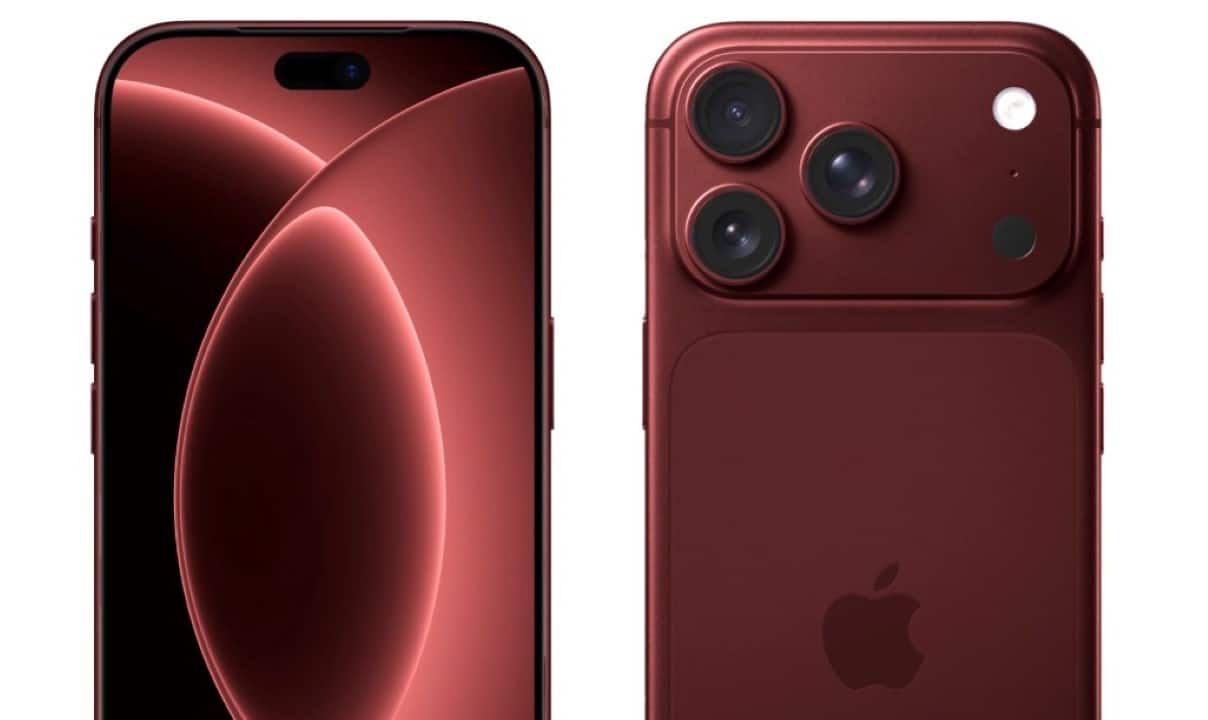
The global mobile technology industry is following the final stages of development of the new generation of high-end devices from North American manufacturer Apple. The equipment, expected to arrive on the international market in September, involves a profound overhaul in both its physical structure and the organization of internal components. The change aims to redefine the aesthetic and functional standard of premium devices, delivering hardware innovations that directly affect the user experience.
The company’s engineers and designers work together to complete rigorous durability tests of the new materials used in the smartphone’s chassis. The main aesthetic change involves the implementation of a completely redesigned rear panel, created specifically to expose the internal organization of the equipment and highlight the precision of the engineering applied to the project.
This new visual concept requires an unprecedented level of finishing for the internal parts, which now definitively integrate the product’s identity. Entre the necessary adaptations for the new format, the following points stand out on the assembly line: – Tratamentos specific chemicals on the glass to avoid marks and residues; – Polimento of metal parts that were previously hidden under the housing; – Reorganização symmetrical internal cables and connectors for a clean look.
The manufacturing process had to be entirely adapted to ensure that the assembly meets the quality standards required for this category. The company seeks to maintain the structural resistance of the device without giving up visual innovation, implementing new electromagnetic shielding protocols.
New rear design exposes the device’s internal engineering
The adoption of a transparent glass panel on the back represents a radical change in the brand’s design philosophy. The translucent surface reveals a redesigned circuit board, with components aligned in a symmetrical way that is aesthetically pleasing to the consumer’s eye.
The ribbon cables and internal connectors received special coatings in dark tones to create a sophisticated visual contrast. The industrial aesthetic of the device is enhanced by the display of the wireless charging module and magnetic attachment rings, which are now part of the visual appeal.
The finishing of the internal metal parts went through high-precision polishing and anodizing processes. Isso guarantees a premium appearance even in operational areas that, in previous generations, were completely hidden under the traditional opaque aluminum or glass housing.
To enable this transparency without compromising safety, the manufacturer developed a new type of tempered glass with advanced chemical treatment. The material offers high resistance to scratches and impacts, maintaining optical clarity over time and effectively protecting processors.
Edge reduction maximizes usable display area
The high-end models will maintain the screen dimensions already known by the most demanding consumers in the technology market. The standard version of the professional line will feature a 6.3-inch display, while the larger variant will offer a 6.9-inch screen, aimed at advanced productivity and media consumption.
Advances in OLED panel manufacturing techniques have allowed a significant reduction in the edges around the screen, achieving a decrease of up to 35% compared to the previous generation. The thinning of the margins maximizes the useful area of the display without increasing the physical dimensions of the device, integrating sensors in an imperceptible way.
Energy capacity reaches new mark without chip tray
Daily use autonomy received special attention in the engineering design, resulting in the inclusion of a battery with a capacity greater than 5000 mAh. Testes indicate that the energy density of the new cells allows reaching up to 5200 mAh in the larger model.
The capacity gain aims to sustain the high consumption of new processors and high-brightness screens. The increase in physical space for the battery was made possible by the definitive elimination of the tray for physical SIM cards in all global markets, standardizing production.
The exclusive transition to eSIM technology frees up precious internal volume, which was immediately occupied by the new power cells. The motherboard architecture has been redesigned into an “L” shape to efficiently and safely contour the expanded battery module while optimizing weight distribution.
Optical system introduces variable aperture and improved sensor
The larger model’s rear photographic assembly introduces a variable aperture mechanism on the main lens, providing greater control over depth of field and light entry to the sensor. The mechanical system physically adjusts the camera’s diaphragm, allowing for smooth transitions between different apertures when recording high-resolution video. Optical image stabilization has been improved with new high-precision gyroscopes, compensating for sudden movements more efficiently in dynamic environments. The image sensor captures an expanded dynamic range, preserving details in shadow and high-light areas.
The front camera received the first major update in several generations, adopting a new 24-megapixel sensor accompanied by a six-element lens array. The increase in resolution guarantees more detailed captures and significantly improves the quality of video calls in low-light environments. Hardware image signal processing reduces digital noise and enhances real-time skin tone reproduction, while autofocus has been recalibrated to track multiple faces faster. The front lenses also have a special anti-reflective coating.
Local processing focuses on advanced artificial intelligence
The device’s computational core is powered by a processor manufactured using state-of-the-art lithography, focused on maximizing performance per watt consumed. The chip’s architecture integrates a significantly expanded neural processing unit specifically designed to run complex language models and artificial intelligence algorithms directly on the device, without the need for a constant internet connection. RAM memory capacity has been increased to 12 GB, providing the bandwidth needed to maintain multiple heavy applications in the background and process local data without relying on cloud servers. Essa local processing approach ensures greater privacy for user data and reduces latency in voice commands and text generation. The internal cooling system uses a high-efficiency graphene vapor chamber, which distributes the heat generated by the processor throughout the metallic structure of the chassis, preventing overheating and ensuring that the chip does not reduce its speed during prolonged sessions of intense use.
Satellite connectivity expands communication range
Smartphone connectivity infrastructure incorporates next-generation modems that support wider frequency bands for ultra-fast cellular networks. The satellite communication system has evolved beyond emergency alerts, allowing the exchange of text messages and voice calls in remote areas without coverage from traditional telephone towers, increasing user safety.
Supply chain preparation for launch
The expectation surrounding the launch moves the Asian supply chain, which adapts its facilities for mass production of the new equipment. The assembly line has already received the first functional prototypes for validation in extreme use scenarios, ensuring that all components operate in harmony before large-scale manufacturing.
The supply chain operates at an accelerated pace to guarantee the volume of units necessary for the global launch scheduled for September. Acordos with suppliers of critical components were signed in advance to avoid bottlenecks on the assembly line and ensure international distribution without logistical delays.



