

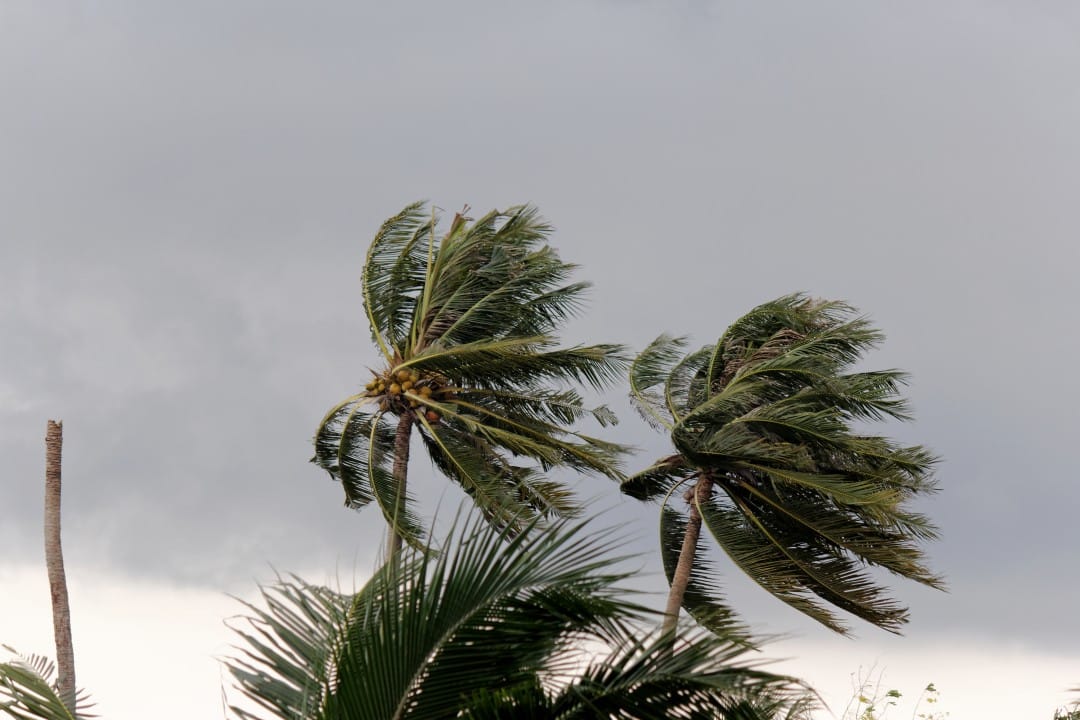
The center of Texas faces an elevated risk of wildfires this week, driven by the dangerous combination of strong winds and low humidity levels. Apesar From a start to the week with atypically cold temperatures, the meteorological scenario predicts a rapid rise in temperature, culminating in days with highs that could exceed 30°C by the end of the week, keeping the region on alert.
The region has experienced notable climate volatility, characteristic of what is known as “meteorological whiplash”, with sudden changes in temperature and atmospheric conditions over short periods. Este pattern, in particular, imposes additional challenges on authorities and the population, who need to quickly adapt to extreme variations, from the intense cold in the morning to the almost summer-like heat expected in the following days.
Unstable weather conditions amplify danger
Monday began with thermal sensations in the range of 20 and 30 degrees Fahrenheit (between -6°C and -1°C) in several locations in the center of Texas, a considerable cold for this time of year. Afternoon maximum temperatures, although milder than morning minimums, remained in the 50s°F (10-15°C) range, still below the historical average.
This freezing scenario is accompanied by strong winds and greatly reduced relative humidity, creating ideal conditions for the rapid spread of fires. Local authorities have issued a critical fire danger warning, reiterating the need for extreme caution by residents in all outdoor activities that could generate sparks.
Freeze alert and essential care
As winds are expected to ease overnight, the combination of clear skies, a cold air mass and low humidity will cause temperatures to plummet again. Há a light freeze is expected in several areas of the center of Texas, which requires special attention to protect sensitive assets.
It is essential that residents take preventive measures, such as covering delicate plants and ensuring that pets have adequate shelter from the intense cold. Este care is crucial to avoid damage to local agriculture and ensure animal welfare given the lows predicted for Tuesday, which are expected to be around 30°F (between -1°C and -1°C).
Even with the gradual rise in temperatures throughout the week, vigilance must be maintained. The rapid transition from cold to hot can be surprising, and the persistence of dry conditions favors continued fire risk, requiring continued community adaptation.
Drought impacts and fire history
Current risk conditions are exacerbated by the persistent drought that has affected much of Texas, transforming vegetation into highly combustible material. The absence of significant rainfall for long periods creates a favorable environment for small fires to quickly turn into large conflagrations, especially under the influence of strong winds.
The region has a troubling history of large wildfires that have caused substantial property losses and impacted ecosystems. Eventos pasts demonstrate the destructive capacity of fire when climatic and environmental conditions align unfavorably, requiring constant institutional memory and improvement of combat and prevention strategies.
The losses resulting from these disasters are not limited to immediate destruction; they extend over the long term, affecting air quality, soil health and the resilience of local fauna and flora. Recovery of devastated areas can take years, generating significant economic and environmental costs for the state and affected communities.
It is imperative to recognize that managing fire risk in an increasingly unpredictable climate represents a complex challenge. Climate science points to a greater frequency of extreme events, which requires robust strategic planning and collaboration between government agencies, non-governmental organizations and the population.
Prevention measures and civil liability
Firefighting authorities have issued a series of recommendations to minimize the danger. Entre as principais orientações estão a proibição de queimar lixo ou resíduos agrícolas ao ar livre, a manutenção de distância segura de materiais inflamáveis para qualquer tipo de chama e a necessidade de desobstruir áreas próximas a residências, removendo vegetação seca e outros combustíveis.
In addition to preventive measures, it is crucial that the population is aware of their responsibilities. Negligence in managing fire sources, such as improperly discarded cigarette butts or sparks from equipment, can result in large fires and carry severe legal consequences, including heavy fines and criminal prosecution. Collective awareness is a fundamental pillar in defending against these events.
Forecast for the next few days
Temperatures in the center of Texas are scheduled to rise significantly throughout the work week, with highs reaching the 80s°F (26-30°C) by Thursday and potentially exceeding 90°F (32°C) on Friday and through the weekend. While this is a welcome change for many after the initial cold weather, it does not eliminate the risk of fire and may, in fact, present new challenges.
Despite the forecast of milder winds on warmer days, dry conditions will persist. High Temperaturas contribute to greater evaporation of moisture from the soil and vegetation, making the combustible material even more susceptible to ignition. Isso means that, even without intense winds, the danger of rapid fire spread will remain high, requiring emergency services to remain on high alert and the population to continue with prevention practices. This week’s climate volatility is a reminder of the importance of continued preparation and rapid response to multiple risks.
Recommendations for the local population
Given the climate complexity and the high risk of fires, the population is strongly advised to monitor local weather reports and guidelines issued by authorities. Manter Staying informed about current conditions and strictly following safety guidelines is the best way to protect lives, property and the environment.



