Verstappen criticizes new F1 cars and questions fans: They don’t understand racing, says four-time champion

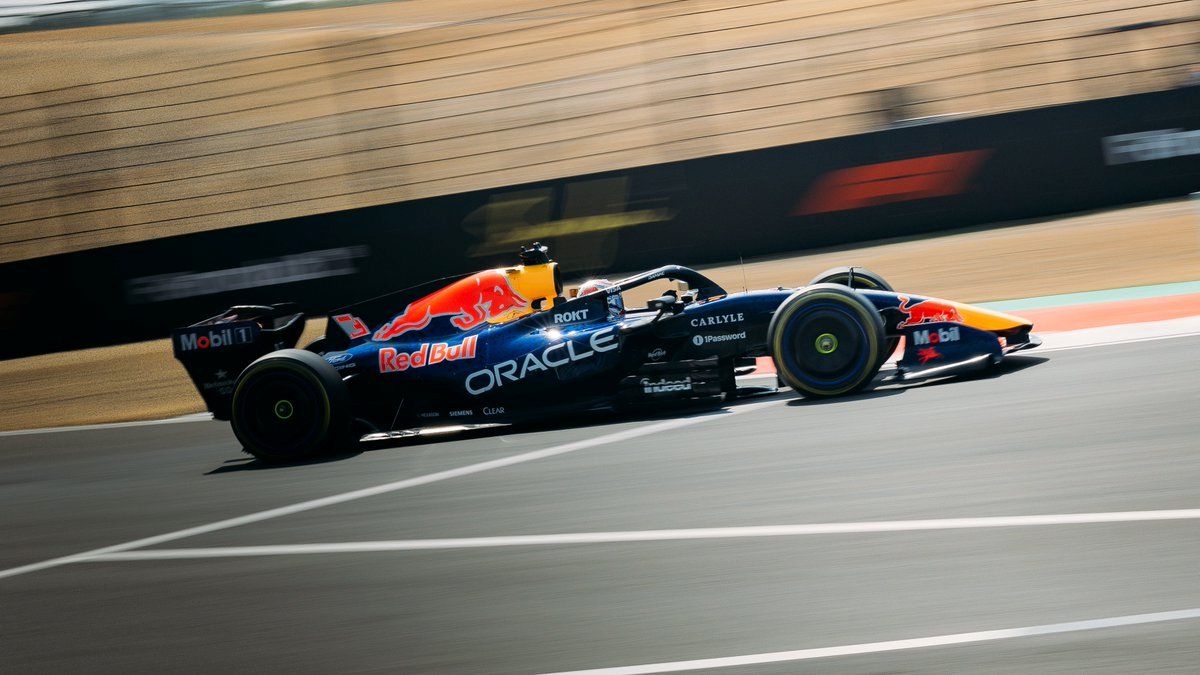
The scenario of Fórmula 1 in 2026 has been the scene of intense debates and expressions of dissatisfaction by renowned pilots, including Max Verstappen. The four-time category champion publicly expressed his dissatisfaction with the changes made to the regulations and, consequently, to the new cars. Após the first stages of the season, including Grande Prêmio of
The perception of the 28-year-old Red Bull driver is that the essence of the competition has been compromised. The introduction of an “Ultrapassagem Mode” and the free management of the “boost button” transformed the dynamics of the disputes, generating an imbalance that, for him, distorts what should be a genuine race of Fórmula 1.
Verstappen’s views highlight a growing divide in the paddock and among motorsport enthusiasts. Enquanto some celebrate the increase in overtaking, others, like the Dutchman, see an artificiality that compromises the technical and strategic integrity of the races.
Verstappen criticizes “Mario Kart” in F1
Pilot Max Verstappen did not hesitate to compare the current Fórmula 1 to a game, describing the experience as “terrible” and not very fun. Ele argued that the disputes, with the use of impulses to overtake and the subsequent loss of battery, refer to a “Mario Kart” scenario, where the artificiality of the moment predominates over pure skill and strategic management.
This analogy made by one of the biggest names in the category underlines the depth of his frustration. Para him, the new rules and car mechanics not only make it difficult for drivers to adapt, but also fundamentally alter the nature of the sport, moving it away from what he considers “real racing.” The statement was made to journalists after the China GP, where his race was interrupted.
New regulations and controversies
The changes introduced to the Fórmula 1 regulations in 2026 aimed to make the cars smaller and lighter, with the aim of providing greater agility to the races. Contudo, the main source of controversy lies in the modification of the engines, especially the significant increase in the power of the electric motor, which now corresponds to almost half of the total strength of the power units.
This new system puts battery management and energy recovery in the spotlight, depending heavily on riding techniques. Além Furthermore, the presence of the
Energy management has become a key factor in races, requiring pilots to adopt a new type of planning and execution. Este The protagonism of energy management, to the detriment of other technical and aerodynamic aspects, is exactly the point of contention for figures like Verstappen, who see an artificiality that distances the sport from its pure and technical roots.
Red Bull performance and pilot reactions
In the first races of the 2026 season, Mercedes emerged as the team that best adapted to the new regulations, delivering a dominant performance in the Austrália and China GPs. Essa superiority contrasted with Red Bull, which has faced difficulties in finding the expected competitiveness. The team, with Verstappen and
Despite his team’s below-expected performance, Verstappen, who has four F1 titles and was runner-up in the previous season, assured that his complaints about the regulations are not linked solely to the performance of Red Bull. Ele emphasized that his criticism is directed at the race “product” itself, and that he would express the same opinion even if he were on top of the podium. Para the pilot, the current difficulty even forces him to “fight even more”, which allows him to understand in more depth the changed dynamics of the races.
Other drivers also expressed their opinions, with Lewis Hamilton, for example, approving the China GP as one of the most fun races he has ever had, following his podium debut with the Ferrari. Este contrast of perspectives highlights the complexity of receiving the new rules, where the same event can be seen in completely different ways, depending on the position and results of each competitor.
Impact of changes and future challenges
Despite criticism from Verstappen, initial statistics for the 2026 season indicate an increase in the number of overtaking events. Na Austrália, for example, 120 maneuvers were recorded, a number significantly higher than the previous year. The China GP also featured fierce disputes, such as the battle for third place between teammates from Ferrari, Lewis Hamilton and Charles Leclerc, in which the Brit came out on top.
However, for four-time champion Max Verstappen, this increase in the number of overtakes is not enough to mitigate his dissatisfaction, which seems to go beyond the raw numbers. The quality of the dispute, the energy management strategy and the feeling of “artificiality” seem to be the main points of criticism. The change in the philosophy of the sport, with greater dependence on the electric motor and battery management, presents a challenge for teams and drivers themselves, who need to readjust their technical and tactical approaches.
Adapting to new cars and regulations will continue to be a central theme throughout the season. Equipes like Red Bull will have the challenge of deciphering the complexities of the new system to return to the top of the grid. Engineers and strategists need to find innovative solutions to optimize performance under the new rules, which could lead to a scenario of constant evolution and learning in future races.
Adaptation and perspectives for Japão
Verstappen has already taken his criticism to the Fórmula 1 organization and the FIA (Federation Internacional of Automobilismo), underlining the seriousness of his concerns. Red Bull now has a period of more than ten days to analyze data from the first tests and implement significant improvements in the performance of its cars. The pressure to find solutions is palpable, especially for a team used to dominating the championship in previous years.
The next stage of the calendar is Grande Prêmio of Japão, scheduled for March 29th. The Esta race represents a new opportunity for drivers and teams to show their ability to adapt to the complexities of the 2026 regulations. The Suzuka track, known for its challenging layout, will be a crucial test for the teams, especially those still looking to find their rhythm under the new guidelines.
The expectation is that the race in Japão will bring new strategies and, possibly, a reversal in the fortunes of some teams. The way in which Max Verstappen and
The evolution of the sport and the drivers’ vision
The Fórmula 1, throughout its history, has undergone several transformations in its technical and sporting regulations. Cada change sought, in theory, to improve the spectacle, safety or sustainability of the sport. The 2026 regulation, with its focus on electrical power and energy management, is another of these chapters in the constant search for innovation.
The views of drivers like Max Verstappen, who criticize the changes based on racing experience and the “purity” of the sport, are a vital element of the debate. Afinal, they are the ones on the track, feeling the nuances and direct implications of each regulatory adjustment. Suas opinions, even if controversial, serve as a barometer for the direction the category is taking and the perception of competitive integrity.
The diversity of opinions among drivers, teams and fans enriches the discussion about the future of the Fórmula 1. Este constant dialogue is crucial to the balance between innovation and preserving the essence that captivates millions of fans globally.