

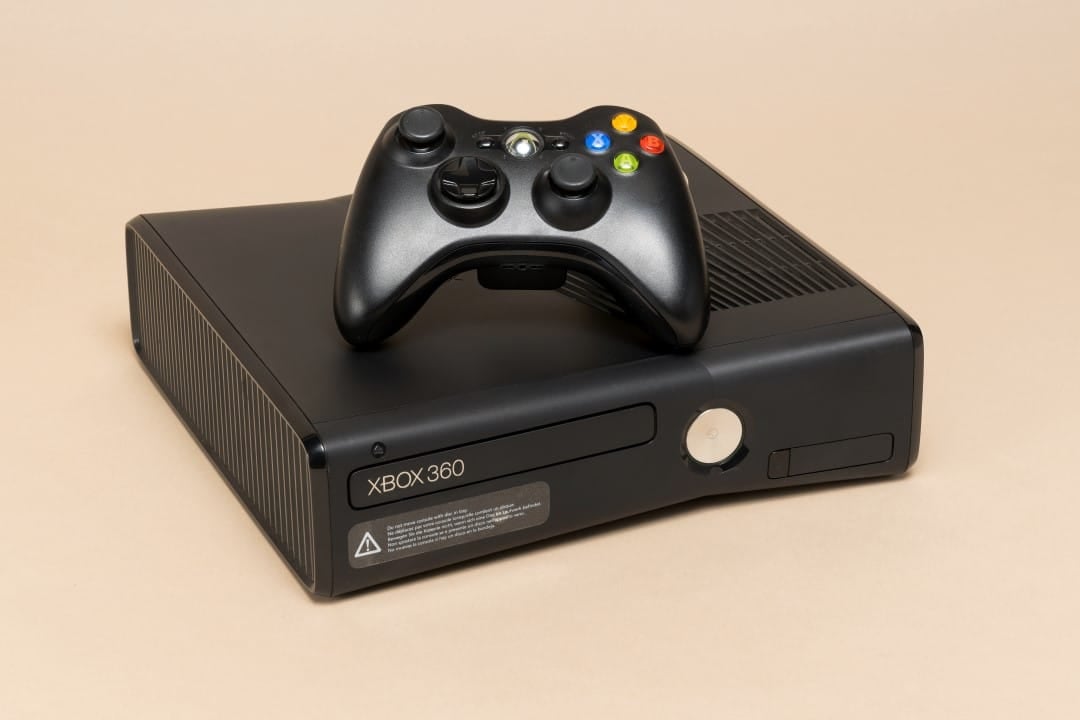
Apple mobile device users now have a new alternative to access titles originally released on the seventh generation of consoles. The development of XeniOS software has made it possible to run Xbox 360 software directly on recent iPhone devices, eliminating the need for dedicated hardware or cloud processing services. The tool adapts the original code from the Xenia project for the mobile operating system, taking advantage of the computational power of current processors.
The initiative comes in a period of technological transition in the smartphone segment, where graphics and CPU processing capacity reaches levels previously restricted to desktop computers. Entusiastas of digital preservation began independent tests to verify the stability of the code on different device models. Preliminary results indicate that the conversion of complex instructions occurs functionally in hardware equipped with more modern chips.
The technical advancement necessary to enable this direct execution involves the real-time translation of the instructions generated for the original 2005 console architecture. The Xbox 360 used a three-core PowerPC processor developed by IBM, combined with a custom graphics processing unit from ATI, which has historically made it difficult to create conversion software even for high-performance computers. The team responsible for XeniOS implemented dynamic recompilation methods that allow chips based on the ARM architecture, present in Apple devices, to interpret and execute these commands with a minimum loss of efficiency. Essa technical approach reduces the processing bottleneck and allows the unified memory of mobile devices to simultaneously manage the graphical and logical resources required by the original software.
The independent developer community keeps the source code open, allowing audits and contributions from programmers around the world. Frequent Atualizações are made available in public repositories, focusing on fixing rendering glitches and optimizing battery usage during prolonged usage sessions.
Mobile processor architecture and performance
The Apple Silicon line of processors represents the main factor that makes it possible to run complex software in a portable format. Desde the introduction of the latest series of A-Bionic chips and the adoption of M-line variants in tablets, the ability to perform floating point calculations and manage multiple simultaneous threads has increased considerably. XeniOS uses these hardware characteristics to emulate the behavior of the console’s original Xenon processor, distributing the workload between the smartphone’s high-performance cores and energy-efficient cores. Essa intelligent distribution prevents the device from overheating immediately, although power consumption remains high compared to traditional native applications.
Stress tests carried out by specialized technology channels demonstrate that the device’s thermal stability directly affects the frame rate per second when running software. Aparelhos with more robust heat dissipation systems, such as the Pro and Pro Max versions of recent generations, are able to maintain higher operating frequencies for extended periods. On the other hand, base models tend to reduce processor speed after a few minutes of intense use to protect internal components, which results in noticeable slowdowns in rendering complex three-dimensional scenes and audio synchronization.
XeniOS System Configuration Procedures
Installing the software requires specific steps, as the application is not yet available on the smartphone manufacturer’s official distribution channels. Interested parties need to access the project repository on GitHub to obtain the latest build files and use third-party digital signature tools to transfer the code to the device.
A fundamental technical requirement for the emulator to function properly is the activation of JIT support, or Just-In-Time compilation, in the mobile operating system. Essa function allows the application to translate the game code into the processor’s native language in real time, ensuring the speed necessary for the fluid execution of animations and the titles’ internal logic.
After the initial configuration of the software environment, the user must provide legitimate digital copies of the games, known as ROMs or ISO images, extracted from original physical media. The application has an integrated file manager that recognizes compatible formats and organizes the virtual library, allowing execution to begin immediately after selecting the corresponding file.
Current compatibility with the title library
The list of software compatible with XeniOS is constantly expanding, although full functionality is still restricted to a select group of titles. Jogos with less complex graphics engines or those that require less parallel processing have stable frame rates and few visual glitches.
Big-budget titles of the time, such as Red Dead Redemption and Grand Theft Auto IV, are able to launch and load virtual environments, but performance varies drastically depending on the rendered scene. In areas with high element density or dynamic lighting effects, the frame rate may drop to levels that compromise command accuracy.
Several other pieces of software in the console’s library launch correctly and display the main menus, but fail to load three-dimensional models during the transition to active gameplay. Glitches Graphics, such as missing textures, distorted polygons, and inverted colors, represent the most common issues reported by testers in current versions of the application.
The development team maintains a public database where users record the operating status of each tested title. Esse collaborative mapping directs programming efforts to correct specific errors in graphics engines widely used in the seventh generation of consoles, benefiting multiple games simultaneously with each new code update.
Recent changes to application guidelines
The emergence of advanced code conversion projects coincides with significant changes to App Store’s software approval policies. Apple recently revised its guidelines to allow the official distribution of emulators for old consoles, which resulted in the arrival of applications focused on systems from the eighties and nineties.
Although XeniOS operates in a more technically complex zone due to the need to compile Just-In-Time, which still faces security restrictions from the manufacturer, the relaxation of rules encourages the development of alternative solutions. Programadores seek optimization methods that do not require the use of restricted operating system functions, aiming for a future official publication in the application store.
Technical barriers in PowerPC code conversion
The architecture of the Xbox 360 imposes severe obstacles to any attempt at emulation, regardless of the target platform. The console used a 512-megabyte unified memory system that operated at extremely high bandwidths for the time, allowing the central processor and graphics chip to share resources almost instantly. Replicar this behavior on modern hardware requires the creation of virtual communication bridges that often generate delays in the exchange of information. Além In addition, PowerPC set-specific instructions need to be translated into the ARMv8 format used by the Apple chips, a process that consumes valuable processing cycles and can result in audio and video desynchronization if not executed with millimeter precision. XeniOS developers are working on rewriting entire graphics libraries to translate calls from the original DirectX API to the Metal API, native to Apple operating systems, seeking to reduce processor overhead and improve the visual fidelity of rendered titles.
Hardware recommendations for smooth execution
To obtain a satisfactory experience with the conversion software, experts recommend using devices equipped with A15 Bionic or higher chips, present from the iPhone 13 Pro line onwards. Connecting external controls via the Bluetooth protocol, such as the joysticks of recent generations of consoles, eliminates the need for virtual commands on the touch screen, freeing up visual space and ensuring the mechanical precision required by action and racing titles.



