

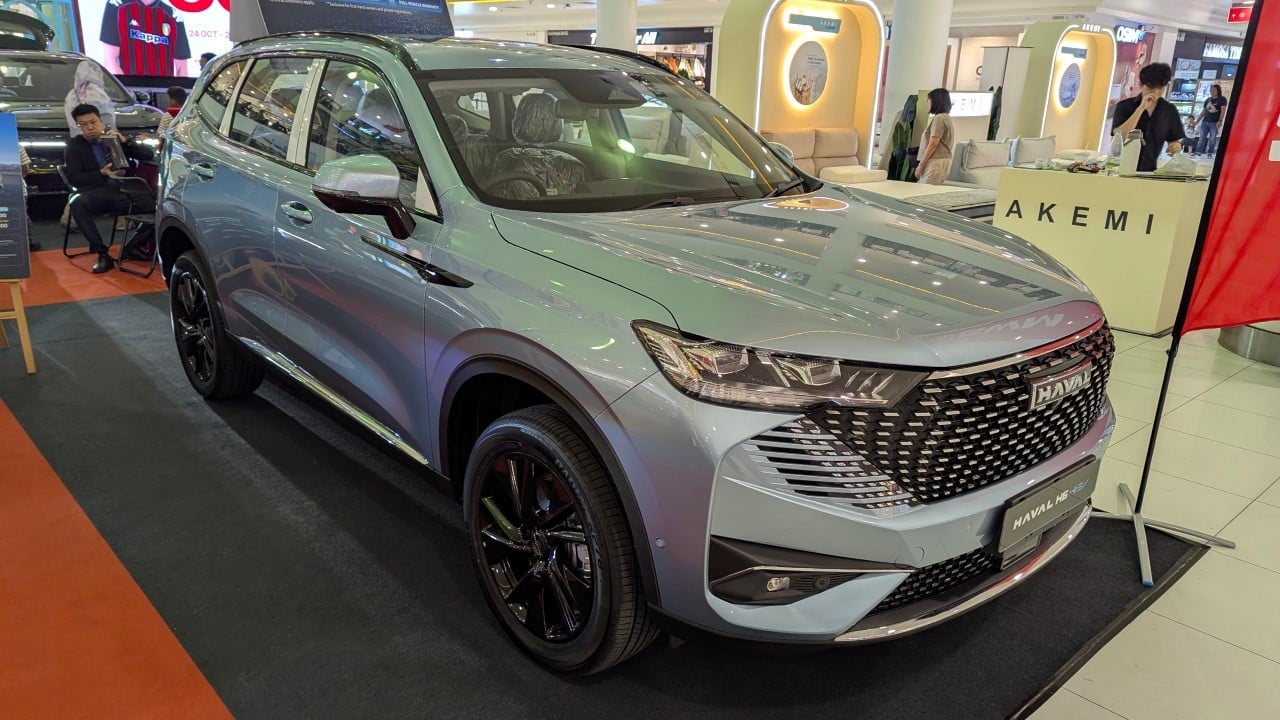
Asian manufacturer GWM has made an official change to the value table for its entire line of sports utility vehicles sold in the national market. The linear adjustment affects all configurations available at dealerships, changing the financial positioning of the vehicle that currently leads the electrified segment in the country.
The commercial measure comes into force immediately in the network of authorized distributors, keeping the lists of standard equipment intact. The onboard technology packages and mechanical specifications that characterize the current generation of automobiles have not undergone any type of modification or suppression.
The pricing movement occurs at a time of consolidation of the brand in the national territory, shortly after the effective start of local vehicle assembly. The automaker’s strategy aims to balance the costs of transitioning to national production with the high demand recorded in recent months.
New price list reflects the automaker’s commercial policy
With the new table, consumers looking to enter the world of electrified vehicles through the brand need to pay an initial amount of R$224,000. The access configuration, called HEV2, underwent an increase of exactly R$1,000 in relation to the previous value, establishing the new floor for the line.
At the intermediate level of the portfolio, the PHEV19 variant, which introduces external charging technology, had its suggested value changed to R$240,000. The model acts as a bridge between the entry-level version and high-performance configurations, delivering a balance between energy efficiency and combined power.
The PHEV35 option, focused on maximum electric autonomy and superior performance, now costs R$280,000 in authorized stores. The increase maintains exactly the same price distance between the versions that was practiced in the previous table, demonstrating a decreasing percentage of application as the value of the vehicle increases.
Mechanical specifications and autonomy of electric motors
The powertrain of the HEV2 version is based on the full hybrid system, also known as self-recharging, which eliminates the need for cables and sockets. The architecture combines a 1.5 turbo gasoline engine with electric propulsion, generating a combined power of 243 horsepower and maximum torque of 55 kgfm, with energy recovered in a compact 1.6 kWh battery.
The PHEV19 and PHEV35 configurations adopt the plug-in hybrid system, characterized by high-voltage batteries that require connection to the electrical grid for full charging. The PHEV19 version delivers 326 horsepower, while the PHEV35 model increases these numbers to 393 horsepower and 77.8 kgfm of torque, with a range of up to 119 kilometers in zero emissions mode.
Nationalization of vehicles and volume of registrations in the country
The transition from direct imports to national production represents a logistical milestone for the automaker’s operation in the domestic market. The Iracemápolis factory, located in the interior of the state of São Paulo, underwent an extensive process of modernization and adaptation of machinery to house the assembly lines aimed at electrified installations.
The commercial performance of the sports utility vehicle line has been the main driver of the company’s growth in the domestic market. Apenas in the last year closed, the model sold approximately 32 thousand units, guaranteeing the isolated leadership among all cars with hybrid propulsion offered in the country.
The brand’s total volume exceeded the barrier of 42 thousand vehicles delivered to customers, a result that anticipated internal goals and justified the acceleration of investments in the São Paulo plant. Stability in the supply of parts and reduced dependence on international maritime transport are direct advantages of nationalization.
Local production also allows for safer long-term planning for business operations, mitigating risks associated with extreme currency fluctuations. The structuring of a regional supply chain strengthens the manufacturer’s presence and ensures greater agility in meeting after-sales demands.
Purchase conditions for people with disabilities
The commercial policy aimed at Pessoas with Deficiência remains active even after updating the price list across the entire dealership network. The manufacturer structured a direct sales program that combines the tax exemptions provided for in current legislation with an additional bonus granted by the manufacturer itself, resulting in a discount that can reach R$35,000 on the suggested public value of the vehicle, depending on the configuration chosen by the customer. The financial benefit is applicable to all versions of the line, democratizing access to driving assistants and clean propulsion technologies for this consumer profile.
The acquisition process requires the presentation of medical reports and specific documentation to transit agencies and state revenue agencies, a process that relies on specialized support from sales teams at authorized dealerships spread across the country. Maintaining these special conditions reinforces the brand’s volume strategy, ensuring competitiveness in a niche market that represents a considerable share of new vehicle registrations in the national territory, offering a robust alternative to traditional competitors.
Fight for space in the sports utility vehicle segment
The market for mid-size sport utility vehicles with alternative propulsion has become one of the fiercest battlefields in the national automotive industry. The model in question faces direct competition from consolidated products and new bets from Asian and Western manufacturers, requiring precise price positioning maneuvers. The strategy of offering different levels of electrification in the same body makes it possible to capture customers who are wary of public charging infrastructure to those who already have a charger installed in their home. The linear adjustment of R$1,000 is assessed by industry experts as a cautious move, especially when analyzing the macroeconomic scenario of exchange rate fluctuation and the increase in global costs of electronic components. Para purposes of economic contextualization of the consumer market, the value of the adjustment represents a fraction close to the current minimum wage, stipulated at R$ 1,621, showing that the financial transfer was contained so as not to scare away the potential buyer. Dessa way, the vehicle maintains its competitiveness and sustains pressure on rival brands, which are trying to expand their participation in a segment that presents double-digit growth every year, driven by the search for greater energy efficiency and lower cost per kilometer driven.
Differentials of the coupe body in the sporty configuration
The top-of-the-line version, called GT, was also subjected to the standardized increase, with its price set at R$326,000. The Esta configuration shares the robust 393-horsepower mechanical package of the PHEV35 version, but visually distances itself from the rest of the family by adopting a body with a pronounced coupe-style roof drop, ensuring a unique identity on the streets.
Expansion of the service network and infrastructure
Sustaining sales volume and acceptance of new values depend directly on the service capacity of the authorized network. The automaker maintains a plan for continuous expansion of its points of sale and specialized workshops, aiming to cover all capitals and the main economic hubs in the interior of the country.
Constant training of technical teams to deal with high voltage systems and the guarantee of availability of spare parts form the foundation for customer loyalty. The support infrastructure becomes a competitive differentiator as important as the technical specifications of the vehicles sold.



