

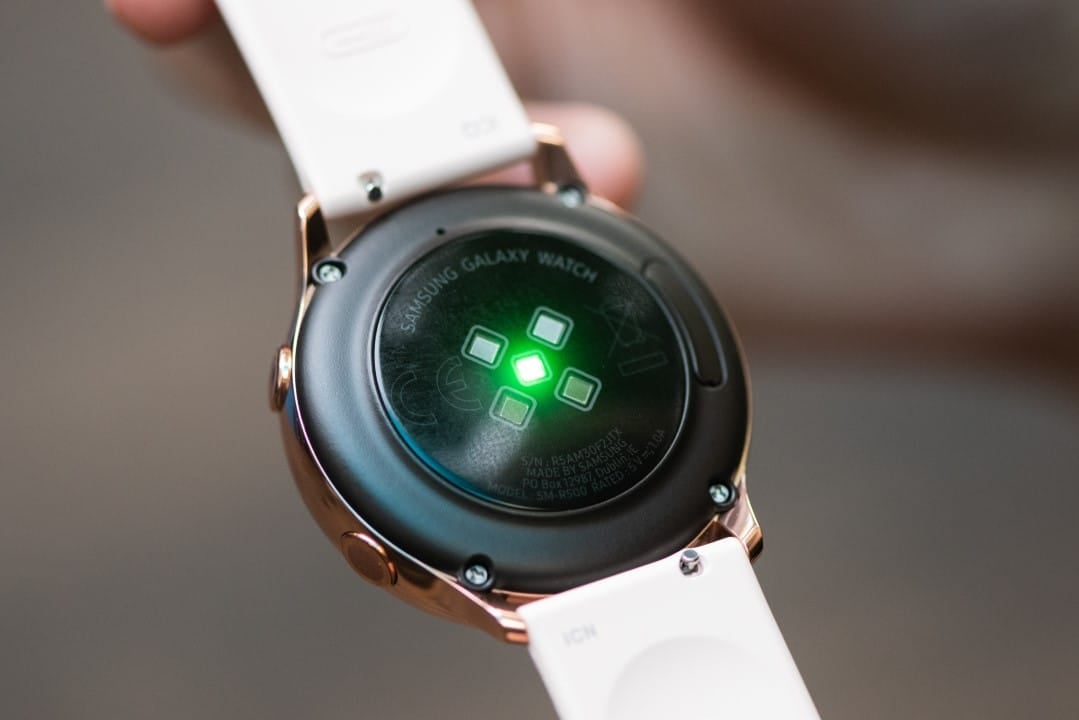
South Korean manufacturer Samsung is preparing a robust update for its wearable device ecosystem in the coming months. Recent Informações about the technical specifications of the highly anticipated Galaxy Glasses and the Galaxy Watch 9 smart watch have started circulating in the technology sector. The data points to a strategic focus on increasing energy autonomy and the integration of advanced artificial intelligence resources.
The development of these new devices marks the company’s definitive entry into the mixed reality glasses segment and the consolidation of its watch line. The strategy involves creating devices that work independently, reducing the need for constant pairing with smartphones. The brand’s engineering focuses on optimizing energy consumption without compromising the weight and ergonomics of the products.
Certification documents and industrial records have provided the first exact metrics on the internal components that will power these devices. The early revelation of the nominal capacities of the batteries allows the market to project the real time of use and the level of processing that the devices will support. Expectations revolve around a simultaneous global launch for both lines of wearables.
Energy capacity of the first smart glasses
The Galaxy Glasses represent the brand’s unprecedented bet on the spatial computing and augmented reality market, requiring a highly optimized hardware design. The leaks indicate that the wearable device will be equipped with a 245 mAh battery, a specification that seeks to balance the lightness necessary for continuous use on the face and the energy demanded by complex sensors. The choice of this nominal capacity suggests that the engineers prioritized the user’s physical comfort, avoiding dense and heavy batteries that could cause fatigue during prolonged use of the accessory. Materials engineering plays a fundamental role in this aspect, using high-density lithium-ion compounds that take up less physical space on the device’s stem.
Confirmation of the model number associated with this battery in international certification databases attests that the product has passed the prototyping phase and is in an advanced stage of pre-production. Essa stage of industrial development usually precedes the official announcement by a few quarters. The 245 mAh capacity will need to work together with extremely energy-efficient processors to ensure that the glasses support a full day of basic interactions or a few hours of intense use in mixed reality applications. The thermal management of this battery is also a critical factor, as the device operates in direct contact with the skin of the user’s face. Sistemas Passive heat dissipation must be implemented to ensure safety and thermal comfort when processing complex tasks.
Image and design components of the new accessory
The Galaxy Glasses hardware must incorporate a sophisticated image capture system, strategically positioned in the frame. The expectation is the inclusion of a 12 megapixel photographic sensor aligned with the user’s field of vision. Essa camera will allow the capture of first-person photos and videos, in addition to feeding environment recognition algorithms.
The device’s multimedia suite is not restricted to visual capture. Microfones high sensitivity and directional speakers built into the temples will transform the glasses into an independent communication center. The user will be able to make voice calls and interact with virtual assistants without the need for additional headphones.
The device’s physical control interface is based on touch-sensitive surfaces located on the sides of the frame. Comandos based on gestures, such as swiping and tapping, will allow navigation through virtual menus and volume adjustment. Essa tactile approach eliminates the need for prominent physical buttons, keeping the design clean.
The aesthetics of the final product must offer variations that resemble traditional sunglasses, facilitating acceptance by the general public. The manufacturer plans to make different frame formats and colors available, moving away from the laboratory equipment aspect that marked the first generations of smart glasses from other brands.
Operating system and integration with artificial intelligence
The Galaxy Glasses’s software architecture will be based on the Android XR operating system, a platform developed specifically for extended reality devices. The big difference in this software integration is the native presence of Gemini, the advanced artificial intelligence model of Google. Artificial intelligence will act as the main engine of contextual processing, allowing the glasses to analyze the user’s surroundings in real time. Isso enables complex functionalities, such as the simultaneous translation of signs and menus into foreign languages, the identification of objects and tourist attractions, and the provision of navigation routes superimposed on the real field of vision. The processing of this information will occur in a hybrid way, dividing the load between the device’s local hardware and cloud servers, which requires a stable data connection, but guarantees instant and accurate responses to natural voice commands. The strategic partnership between the South Korean manufacturer and Google aims to establish a new usability standard, where the visual interface dynamically adapts to the user’s context. For example, when looking at a historical monument, the Android XR operating system can project architectural data and historical facts directly onto the lens without obstructing peripheral vision. Essa fusion of lightweight hardware with highly intelligent cloud software defines the next phase of mobile computing.
Battery updates for the new generation of watches
The manufacturer’s smart watch segment will also receive hardware updates focused on energy autonomy. The Galaxy Watch 9 will maintain the tradition of being offered in different case sizes, with the 40 millimeter and 44 millimeter versions already confirmed by industrial registrations.
The larger version, measuring 44 millimeters, will house a battery with a nominal capacity of 435 mAh. Esse number represents a direct technical increase compared to previous generation models, responding to one of the main demands of consumers for high-performance wearable devices.
Typical operating capacity, which reflects actual use after safety certifications, usually has a margin slightly higher than the advertised nominal value. The increase in battery cell energy density aims to ensure the watch supports continuous health monitoring and sleep tracking without requiring daily recharges. Continuous heart rate monitoring, blood oxygenation and detailed analysis of sleep stages are features that drain the battery quickly. With 435 mAh, the manufacturer seeks to offer a usage window that exceeds the mark of forty uninterrupted hours, even with the screen configured in always-on display mode.
Internal processing and energy efficiency
The Galaxy Watch 9’s processing core will be responsible for managing the new battery capacity intelligently. The technical information points to the use of the Exynos W1000 processor, a chip developed internally by the South Korean manufacturer itself.
Although the market speculated the adoption of the Snapdragon Wear Elite platform, maintaining the Exynos line indicates a cost optimization strategy and absolute control over the integration between hardware and software. The improved architecture of the W1000 promises greater speed when opening applications and less heat dissipation when using location sensors.
Advanced connectivity and smartphone independence
The data communication of the new smart watch will follow the pattern of offering multiple connectivity options for different user profiles. Além of the base model equipped with local wireless networks and state-of-the-art proximity connection, the variant with support for cellular networks will continue to be available in the portfolio.
The version with cellular connectivity guarantees the device’s total independence in relation to the paired cell phone. Users will be able to make contactless payments, stream music and receive emergency calls directly from their wrist while exercising outdoors.
Expansion strategy in the wearables market
The consolidation of robust specifications for the Galaxy Glasses and Galaxy Watch 9 highlights the manufacturer’s plan to dominate the wearable technology sector. The simultaneous investment in augmented reality and advanced biometric monitoring reflects the industry’s transition to a model where multiple peripheral devices work together. Essa mesh of interconnected devices passively collects data and provides ongoing digital assistance, transforming the way consumers interact with the physical and digital world around them.



