

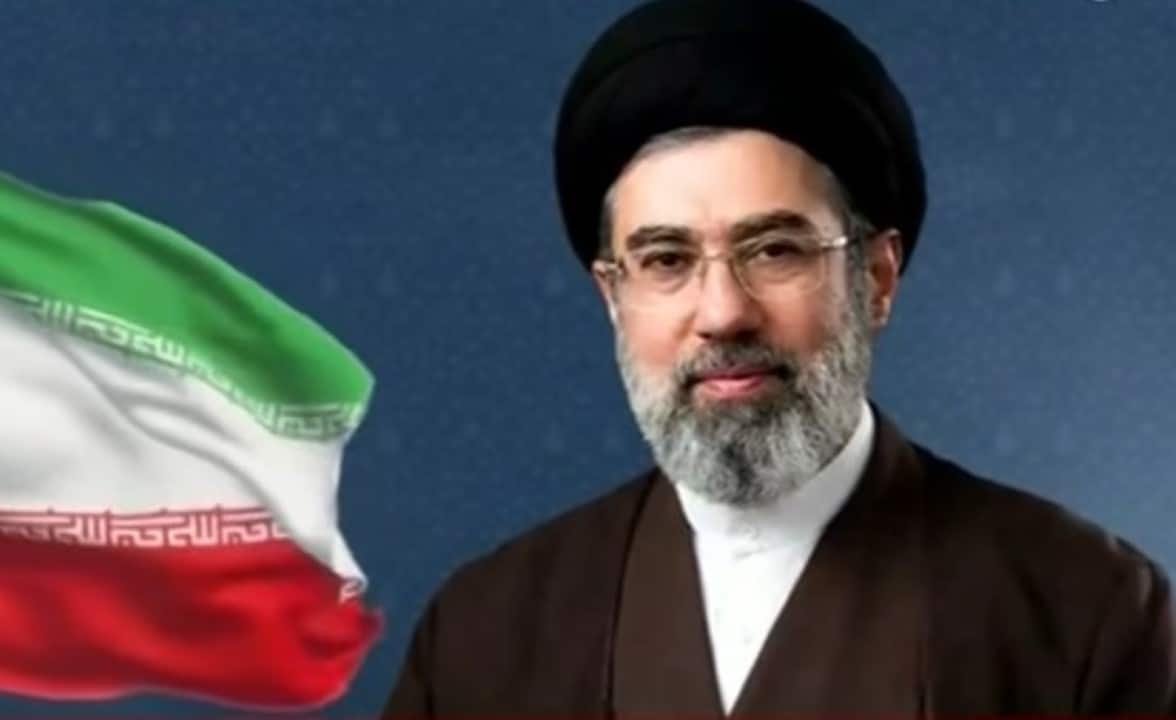
The current head of Estado of República Islâmica has set extreme conditions for any diplomatic breakthrough in Oriente Médio. In recent negotiations mediated by international actors, the leadership in Teerã formally refused the military de-escalation proposals presented by Washington, halting stabilization efforts in the region.
The central demand for the cessation of hostilities involves the unconditional surrender of the Israeli and American governments. The position rules out the possibility of an immediate ceasefire, deepens the diplomatic impasse and demonstrates a stance of direct confrontation against the pacification initiatives proposed by Western powers.
The Iranian demands presented at diplomatic meetings include specific and non-negotiable points for the country’s summit:
– Capitulação total opposing forces in the regional scenario;
– Admissão public military and strategic defeat by Tel Aviv and Washington;
– Pagamento of financial reparations for the damage caused over the years of conflict.
This intransigent stance reflects the consolidation of a doctrine of Estado that sees Western powers as existential and hegemonic threats. The refusal to accept intermediate terms demonstrates that the new command in Teerã prefers to bear the costs of international isolation and economic sanctions rather than give in on issues considered vital to sovereignty and national security. The decision to block dialogue without meeting these prior demands signals a prolonged period of geopolitical instability.
Consolidation of power in the new leadership
The transition in command of the country brought an immediate need to demonstrate strength before the international community and internal political bases. The adoption of an inflexible rhetoric serves as a legitimization tool for the current administration, which seeks to establish its authority in the first months of its administration.
By rejecting diplomatic concessions, the government signals continuity with the policies of resistance established in previous decades. Essa government strategy aims to maintain cohesion between the armed forces, the Guarda Revolucionária and the most conservative sectors of local politics, avoiding any perception of institutional weakness.
The tightening of negotiations also serves as a direct message to neighboring countries and strategic allies. The central message sent by the top brass is that the change in leadership of Estado will not result in a relaxation of regional security guidelines or a decrease in support for allied militias.
Dynamics of clashes in Oriente Médio
The absence of a viable dialogue channel has immediate repercussions in areas of active conflict. Territórios like Faixa of Gaza, Líbano and
Armed groups operating in these areas and maintaining strategic alignment with Teerã tend to intensify their military operations. The lack of a summit agreement eliminates the operational restrictions of these organizations on the ground, prolonging daily clashes and hindering access to humanitarian aid.
The scenario of ideological conflict transforms traditional diplomacy into a difficult field of action. The demand for the adversary’s absolute defeat makes pragmatic solutions and bilateral agreements that could alleviate immediate tension and protect civilian populations affected by the clashes unfeasible.
The rhetorical escalation raises the risk of military miscalculation among the armed forces involved. Sem crisis containment mechanisms or direct lines of communication, isolated incidents at borders have a high potential to trigger clashes of much greater proportions and involve new countries.
Health status and conflicting information
The environment of political uncertainty is worsened by conflicting reports on the physical condition of the current supreme leader. Informações intelligence from Western governments indicates that he suffered injuries during the same airstrike that killed his predecessor, Ayatollah Ali Khamenei, sparking speculation about his ability to govern.
While official statements from the Iranian government describe the injuries as superficial and with no impact on administrative routine, external assessments point to a more serious clinical picture. The discrepancy in information includes formal denials about confidential international medical transfers to Rússia, highlighting the lack of transparency in dealing with Estado issues.
The role of international mediators
Nations trying to build bridges between rival governments face a scenario of extreme operational complexity. The imposition of unrealizable preconditions, such as the surrender of military powers, undermines the purpose of negotiation tables and paralyzes the efforts of special envoys.
Diplomatic work now requires the formulation of alternatives that circumvent the demand for total capitulation. International emissaries seek to identify secondary areas of mutual interest, such as commercial maritime security, that can serve as a starting point for reestablishing minimal trust between the parties.
Economic impacts and global isolation
Maintaining a foreign policy based on direct confrontation perpetuates the cycle of economic sanctions that affect the Asian country’s economy. The refusal to dialogue with the Ocidente alienates foreign investors, devalues the local currency and severely limits the country’s access to international financial markets. Essa barreira comercial prejudica o desenvolvimento de infraestrutura básica, encarece a importação de insumos essenciais e gera insatisfação interna devido ao aumento do custo de vida da população.
To overcome this financial isolation, the government has intensified the search for strategic partnerships with other global powers that also face friction with the Western bloc. Essa geopolitical reorientation aims to create a commercial, technological and military support network capable of sustaining the internal economy, even in the face of heavy restrictions imposed by international organizations and embargoes led by Washington.
Barriers to regional stabilization
The demand for financial reparations and public admission of defeat creates an insurmountable obstacle for contemporary diplomacy, which operates based on mutual concessions and compromise agreements. The Iranian position disregards the existing asymmetry of military and economic power, betting on a long-term war of attrition to fatigue its adversaries. Essa strategy directly affects the security of maritime trade routes in the Golfo Pérsico, increases the volatility of global energy prices and scares away economic development in the entire region. The international community observes with apprehension the exhaustion of peaceful channels, aware that the absence of a minimum coexistence agreement keeps the Oriente Médio on the brink of a generalized conflict. The failure of the negotiation rounds demonstrates that the leaders involved prioritize political survival and the maintenance of their power narratives to the detriment of the pacification of a territory marked by decades of territorial and religious disputes.
Security and diplomacy guidelines
The future of diplomatic relations in the region remains tied to the ability of the actors involved to retreat from their maximum and inflexible positions. Até should there be a structural change in the security guidelines adopted by central governments, the state of military alert will continue to dictate the pace of policy in the Oriente Médio.



