

The promised recovery of the Venezuelan economy, previously envisioned by certain sectors, remains a distant horizon for the population. Dados recent events reveal a deepening of economic turmoil, with the South American nation facing inflation reaching an alarming 600%. Este bleak scenario contradicts expectations of a vigorous recovery, especially after significant political changes.
The deterioration of financial conditions manifests itself in different ways in the daily lives of Venezuelans. The devaluation of the local currency, the Bolívar, continues to erode purchasing power, forcing the population to look for alternatives to preserve the value of their savings and guarantee access to essential goods. Economic instability persists as a heavy burden on citizens, who struggle to cope with constantly rising prices.
At the beginning of 2026, the country’s economic reality shows that, instead of improvements, the challenges intensified in the subsequent months. The promise of prosperity, formulated by external politicians such as the former president of Estados Unidos Donald Trump, after the removal of Nicolás Maduro from power, has not materialized. Life has, in fact, become considerably more difficult for most Venezuelans.
Turbulent economic scenario persists
The persistence of an adverse economic scenario in Venezuela is a central issue that affects all social strata. The 600% inflation rate represents a monumental obstacle to any attempt at stabilization, having a direct impact on the cost of living and the accessibility of basic products and services. Essa escalating prices impact everything from purchasing food to maintaining homes, creating an atmosphere of widespread uncertainty.
The difficulty in planning the financial future is a direct consequence of this hyperinflation. Empresas operate in a high-risk environment, and foreign investments, crucial for the revitalization of the economy, are severely inhibited by the lack of predictability and macroeconomic instability. The purchasing capacity of the national currency is almost zero, leading to an informal dollarization of the economy.
Impact on oil production and exports
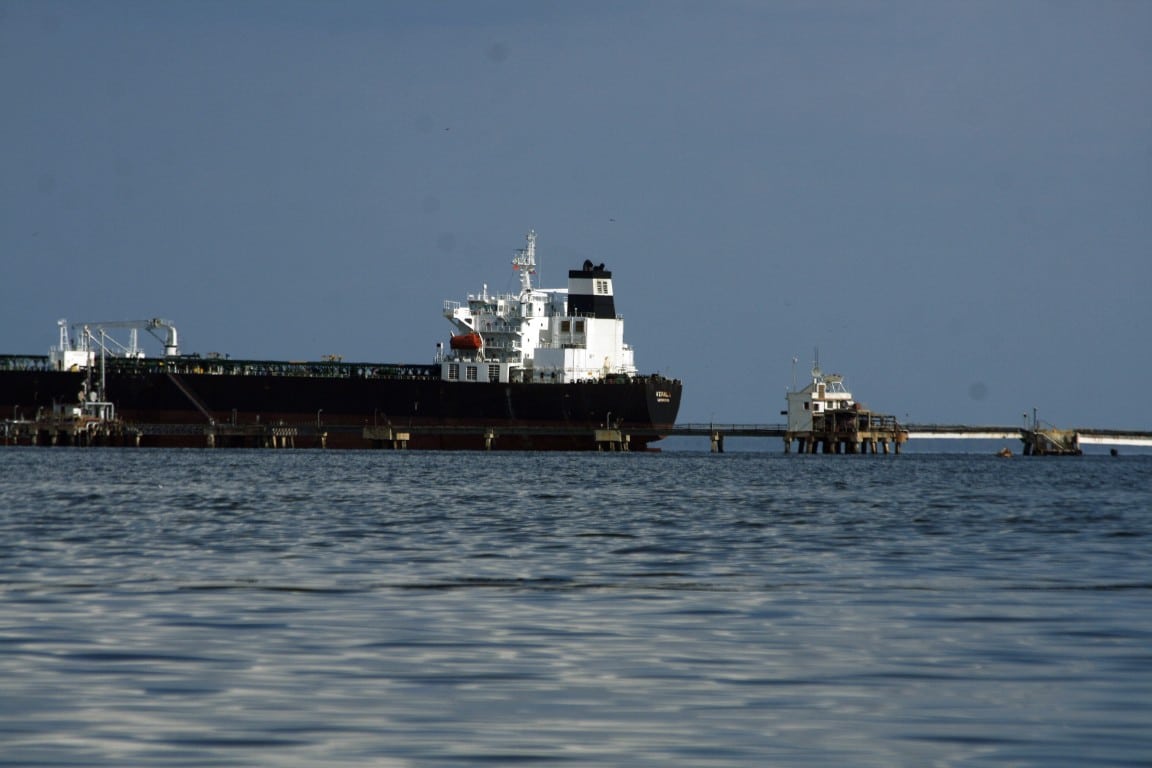
The oil industry, historically the engine of the Venezuelan economy, is facing a sharp decline that worsens the current crisis. In January, the country’s oil production recorded a 21% drop, reaching 780,000 barrels per day. Esta drastic reduction has immediate repercussions on the country’s ability to generate much-needed foreign exchange.
Oil exports, the main source of dollars for the Venezuela, have plummeted, severely limiting the flow of this essential currency. The dollar shortage is a critical factor as many Venezuelans depend on the US currency for everyday transactions, given the galloping devaluation of the Bolívar. The dependence on imports to meet basic needs, combined with the lack of dollars, creates a vicious cycle of scarcity and price increases.
Currency devaluation and exchange rate challenges
The local currency, the Bolívar, continues on a path of intense devaluation, making it practically useless for large transactions or savings. The population, in turn, turns to the US dollar as a refuge of value and a medium of exchange. Essa informal dollarization, although practical for citizens, reflects the profound loss of confidence in the country’s economic management and in its own currency.
The dollar auctions implemented by the government, which had the support of the Estados Unidos, were criticized for their slowness and insufficiency. The limited supply of foreign currency through these official mechanisms cannot meet the vast market demand, resulting in distortions and difficulties for companies and individuals who need dollars to import goods or make payments. The bureaucracy and slowness of the process further complicate the situation.
Promises of recovery and the harsh reality
The narrative of an imminent economic recovery in Venezuela has gained strength in political speeches, especially in the international context. The removal of Nicolás Maduro from power was associated with the promise of a new chapter of prosperity. Contudo, the reality on the ground, two months after these events, painted a very different picture.
Instead of a palpable improvement, Venezuelans have witnessed an even greater deterioration in their living conditions. The promise of better days collided with the harsh reality of empty shelves, precarious basic services and inflation that eroded any vestige of purchasing power. Frustration is evident among those who expected rapid and significant change.
This gap between promise and reality has generated distrust and hopelessness regarding proposed political and economic solutions. The population, already exhausted by years of crisis, finds itself confronted with the complexity of structural problems that have not been resolved by mere changes in leadership. Economic reconstruction will require much more than optimistic rhetoric.
Government measures and criticism
Diante Due to the seriousness of the situation, the Venezuelan government, with support from external entities, implemented several measures in an attempt to contain the crisis and stabilize the economy. Entre Among the initiatives, the aforementioned dollar auctions stand out, which aimed at the controlled injection of foreign currency into the market. Entretanto, these actions were widely criticized.
The main complaint concerns the slowness and ineffectiveness of the mechanisms adopted. The quantity of dollars made available at auctions was considered insufficient to meet real market demand, resulting in continued pressure on the informal exchange rate. Além In addition, transparency and agility in the distribution of resources were also questioned, raising doubts about the real capacity of these measures to promote substantial change.
Daily life under hyperinflation
Viver under the hyperinflation regime in Venezuela drastically transformed people’s daily lives. The constant rise in prices requires continuous adaptation and survival strategies for the majority of the population.
The most visible impacts include:
Future perspectives and ongoing challenges
The path to economic recovery from Venezuela is long and full of complexities. Overcoming 600% inflation requires a series of deep structural reforms and an environment of trust that still needs to be built. The reactivation of oil production is essential, but it depends on massive investments and lasting political stability.
The international community plays a crucial role, whether through humanitarian aid or supporting economic stabilization programs. However, the effectiveness of these interventions is intrinsically linked to the Venezuelan government’s ability to implement transparent and consistent policies. The end of sanctions, for example, is a constant debate, with defenders arguing that they worsen the population’s suffering and critics highlighting the need to pressure for democratic changes.
The resilience of the Venezuelan people is constantly tested by economic adversity. The search for solutions that provide dignity and opportunities remains the main hope. Fiscal reform, control of monetary issuance and attraction of foreign capital are essential elements of any stabilization plan. The complexity of the political and social scenario, however, adds layers of difficulty to this already intricate economic equation, making the immediate future uncertain.



