

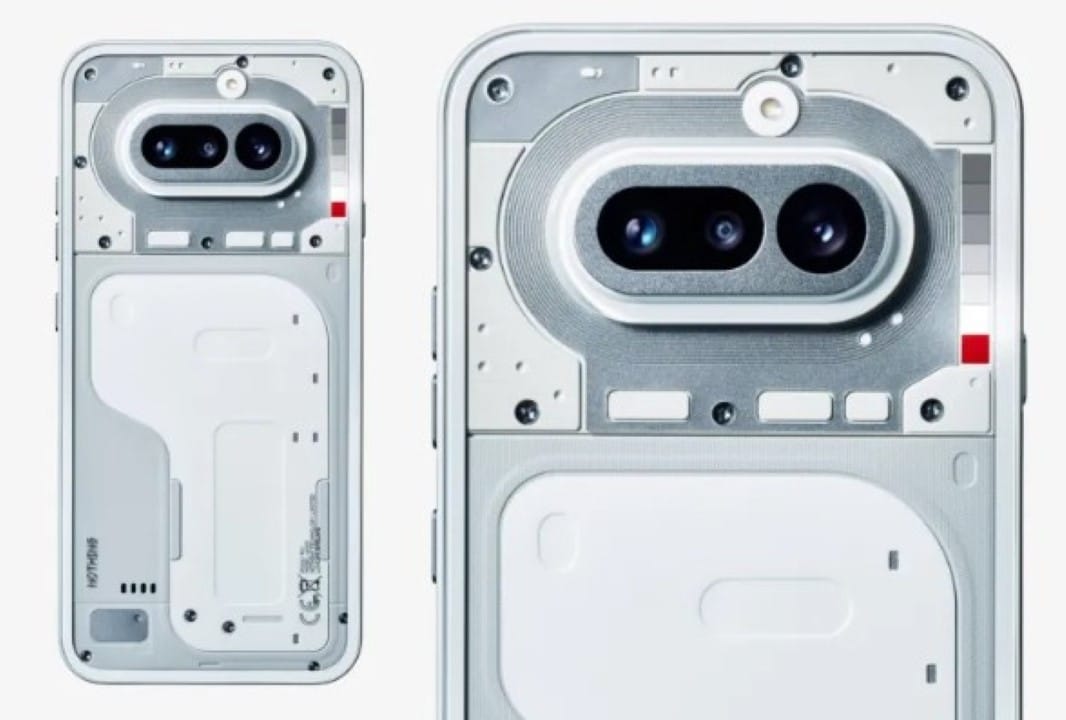
The following text presents an exclusive analysis of the Nothing Phone (4a), a smartphone launched by Nothing in March 2026. The model arrives on the Indian market with prices starting at ₹31,999, positioning itself as a competitive option in the intermediate segment.
The Nothing Phone (4a) preserves the iconic design with a transparent back, which reveals internal components in a refined way. The Barra from Glifos has evolved into a more functional version, with 63 mini-LEDs distributed in zones, allowing personalized notifications, indication of charging progress and integration with live updates from the
Ergonomics improve compared to previous generations, offering a comfortable grip during prolonged use. The protruding rear camera module maintains the brand’s style, but gains refinement that elevates the perception of quality.
Design and construction
The rear finish features superior polishing, eliminating visual excesses present in older models. The inclusion of a factory screen protector makes it easy to adopt immediately without extra worries.
Available colors include white, black, blue and pink, with the white variant standing out for its understated elegance. The construction holds up well to daily use, with IP64 dust and splash resistance.
色つきガラスで仕上げたPhone (4a)。
—Nothing Japan (@NothingJapan)March 2, 2026
日本時間 3月5日19:30発表pic.twitter.com/NorBorP15X
High quality screen
The 6.78-inch flexible AMOLED screen operates with a 120Hz refresh rate, ensuring fluid navigation and games. Maximum brightness reaches 4,500 nits, allowing clear visibility even in bright sunlight.
Corning Gorilla Glass 7i protection reinforces durability against scratches. The under-display fingerprint sensor responds quickly and accurately in most situations.
Everyday performance
The Snapdragon 7s Gen 4 chipset, manufactured in 4nm, efficiently copes with everyday tasks and multitasking. Jogos heavy loaders like BGMI run without significant frame drops or noticeable overheating.
Nothing OS 4.1, based on Android 16, offers a clean interface with few pre-installed applications. The adaptation takes place in a few minutes for those who already know the Nothing line, with smooth animations and optimized transitions.
Versatile cameras
The triple rear set includes a 50 MP main sensor, a 50 MP periscopic sensor for optical zoom and an 8 MP ultra-wide sensor. Fotos feature vibrant colors and sharp details in varying lighting conditions.
The 32 MP front camera delivers good quality selfies. Gravações in 4K at 30 fps meets casual video needs, with reasonable stabilization.
Battery and charging
The 5,400 mAh capacity sustains intense use for up to a day and a half, including streaming, gaming and social media. Carregamento fast 50W charges in about an hour.
7.5W reverse charging support adds convenience for compatible accessories. The energy performance is positively surprising, considering the size of the battery.
General usage experience
After two weeks, the Nothing Phone (4a) stands out for its integration between hardware and software. The Barra of Glifos adds real utility, such as visual alerts for deliveries or priority notifications.
The clean and updated software contributes to a feeling of constant fluidity. Pequenos tweaks in Nothing OS 4.1 improve lock screen and widget customization.
Price and variants
The base version with 8GB of RAM and 128GB of storage costs ₹31,999. Modelos with 8GB/256GB costs ₹34,999, while the top configuration with 12GB/256GB goes for ₹37,999.
The value reflects improvements in the camera, screen and processor, although some consider the increase compared to its predecessor to be high for the segment.
Final considerations about the device
The Nothing Phone (4a) balances distinctive design with solid performance in real-world use. Recursos as well as enhanced Glyph Bar and optimized software add practical value.
The periscopic camera expands photographic possibilities, overcoming limitations of past generations. Consistent battery life reinforces everyday reliability.
The smartphone is well suited to those looking for a unique visual identity without giving up modern features. The 15-day experience confirms consistency across different scenarios.



