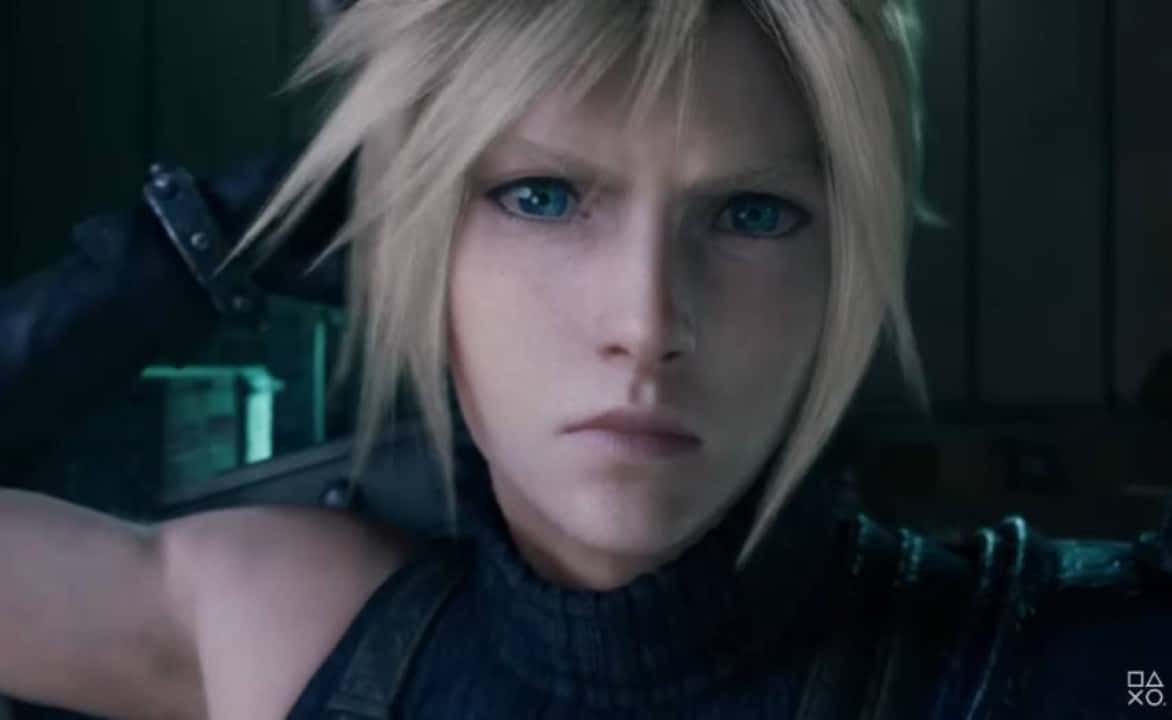
Japanese producer Square Enix has officially made a drastic change in its commercial strategy to conclude the trilogy of recreation of one of its greatest classics. The third and final chapter of the project focused on the journey of Cloud Strife will hit the market with simultaneous release for multiple platforms, breaking the temporary exclusivity model maintained with Sony in the two previous titles.
The decision marks a turning point in the electronic games industry, ensuring that the outcome of the saga will be available on day one to a considerably larger player base. The title will be sold on the following platforms:

- PlayStation 5, maintaining the installed base of previous games;
- Xbox Series X and S, marking the franchise’s simultaneous debut on Microsoft consoles;
- Personal computers (PC), meeting a growing demand in the digital market.
This change of route reflects the developer’s new internal guidelines, which seeks to maximize the reach of its high-budget productions. Exclusivity, previously seen as a pillar of safe marketing, gave way to the need to dilute development costs and guarantee an immediate financial return in a more restricted global economic scenario for large-scale digital entertainment.
Developer’s new commercial approach
The change in the distribution model occurs after a rigorous analysis of the financial results obtained with previous launches. The first game in the trilogy arrived on the PlayStation 4 in 2020, requiring a year of waiting until its arrival on computers, while the second chapter, available in February 2024 for the PlayStation 5, faced commercial challenges.
Financial reports from Square Enix showed that sales of the second title did not reach the goals set by the board, despite the extremely positive reception from specialized critics. The limitation to a single table console restricted sales potential at a time of market transition and high inflation in production costs.
Given this scenario, the company announced a restructuring plan focused on multiplatform launches. The main goal is to avoid the loss of public engagement and ensure that high investments in AAA category productions are recovered more efficiently in the first weeks of sales in digital and physical stores.
Technical advances and game mechanics
Development of the final chapter moves at a rapid pace, driven by the technological foundation established in the previous games. The production team chose to maintain the central structure of the graphics engine, allowing the focus to be directed towards expanding the world and implementing new territorial exploration mechanics.
One of the main confirmed innovations is the introduction of the Highwind aircraft, which will allow players to freely navigate the skies of the global map. Essa technical addition requires massive data processing, taking advantage of SSD storage drives present in current-gen consoles and modern computers to avoid interruptions.
In addition to aerial exploration, the combat system will undergo significant refinements, integrating new skills and improving synergy between group members. The legendary summon known as Cavaleiros da Távola Redonda has also been confirmed, promising high-impact visual sequences during the campaign’s most difficult confrontations.
The graphics engine used in production guarantees support for image scaling technologies, optimizing visual performance on different hardware. Essa standardization facilitates the process of adapting code to Microsoft systems and varied computer architecture while maintaining frame rate stability.
Movements behind the scenes in the industry
The rapprochement between Square Enix and Microsoft represents an important development in negotiations in the technology sector. Durante years, executives at the Xbox division actively sought to bring major Japanese RPG franchises into their ecosystem, facing historic contractual barriers. The simultaneous arrival of the new title highlights the success of these negotiation rounds and strengthens the platform’s catalog, which has invested in genre diversification to attract the Asian public and oriental game enthusiasts in the West.
Financial market experts believe that breaking exclusivity benefits all parties involved in the production chain. Para the developer, means immediate access to millions of additional potential buyers; for the console maker, it represents a robust selling point against the competition. Sony, in turn, keeps the game in its catalog, but loses the appeal of isolated originality, reflecting a trend where the cost of maintaining a large game restricted to a single machine has become prohibitive for corporate finances.
Expansion of the narrative universe
The conclusion of the trilogy is responsible for tying up the loose ends left by the narrative changes introduced since the beginning of the recreation project. The writing team promised to deliver an outcome that respects the legacy of the original 1997 work, while at the same time offering unprecedented resolutions for the central characters. The complexity of the script requires seamless integration with mission design, ensuring that players experience fluid progression across the game’s continents. The promise of a truly open world, without the restrictions of previously seen instanced zones, puts additional pressure on software engineers, who need to ensure that the transition between land exploration, aircraft flying, and combat occurs without visible loading screens, keeping user immersion intact from the beginning to the end of the journey.
Impact on release schedule
While an exact release date has not yet been officially released, continued development progress suggests the title will hit physical and digital shelves within investors’ window of expectations. The team’s efficiency in reusing graphic resources has been fundamental in avoiding the long production cycles that often affect the industry, allowing for a leaner and more predictable schedule.
Restructuring the digital entertainment market
The Square Enix decision serves as a thermometer for the future of major interactive entertainment productions. The business model based on third-party exclusivity is gradually being replaced by open ecosystems, where software dictates the rules of consumption regardless of the hardware chosen by the end user for their enjoyment.
The commercial success of this multiplatform launch will define the guidelines for the company’s next projects. Caso sales projections are achieved, the industry could witness the definitive end of barriers between rival consoles for titles from independent producers, consolidating a new era of accessibility in the global games market.
Optimization and requirements for computers
The inclusion of personal computers in the day one launch reflects the exponential growth of this segment in the global gaming market. Historicamente, PC adaptations of Japanese titles suffered from optimization problems and significant delays. However, the producer’s new development infrastructure prioritizes computer architecture from the initial coding phases. Isso guarantees native support for ultra-wide resolutions, unlocked frame rates and integration with the latest graphics cards available on the retail market.
To ensure a fluid experience, the engineering team works closely with leading hardware manufacturers to implement artificial intelligence technologies aimed at frame generation and texture enhancement. Essa attention to technical details aims to avoid the performance issues that have plagued the company’s previous releases on the platform, ensuring that PC players have access to the most robust and visually impressive version of the game, provided they have equipment compatible with the operating system’s requirements.
