
Gulf Cooperation Council leadership condemns Iran offensive against UAE oil fields By Luís Henrique Costa
5 min read
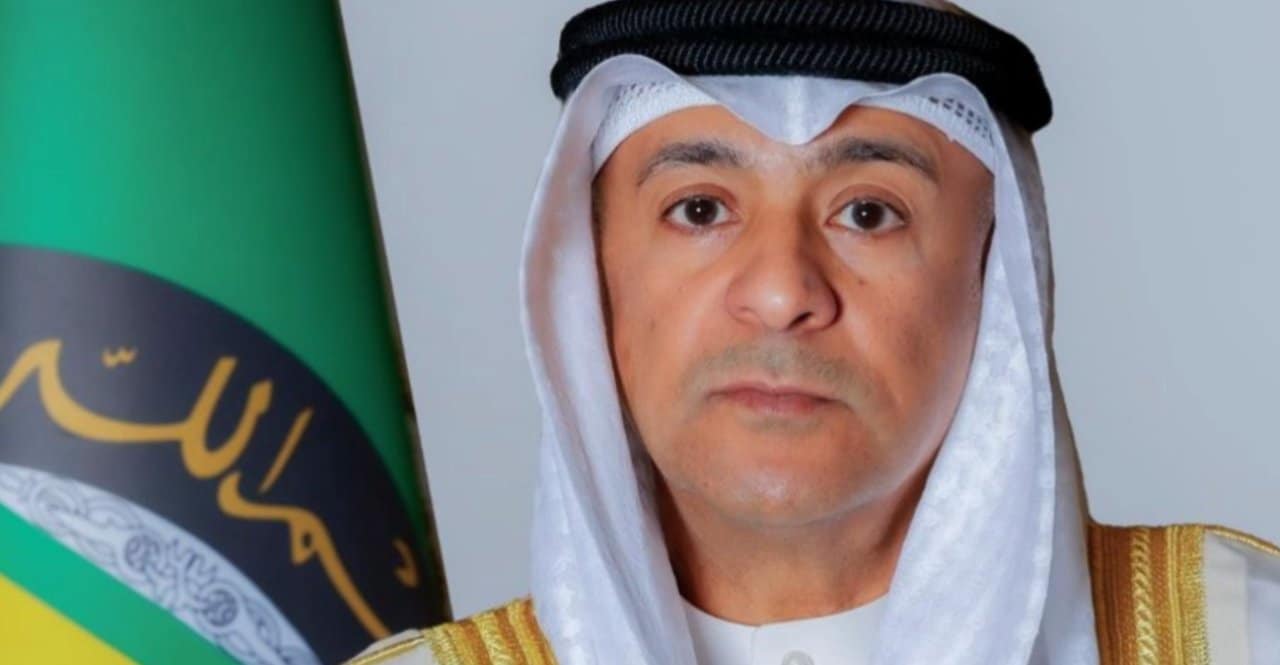 |
The Secretary General of Conselho of Cooperação of Golfo, The incident, recorded in mid-March, was mainly focused on natural gas processing facilities in Habshan and the vast Bab oil field, both located in the emirate of Abu Dhabi. The offensive substantially raises the level of military alert on one of the most vital trade routes for global energy supplies, requiring immediate responses from Arab diplomatic leaders.
The regional bloc’s statement highlights that the repetition of hostile acts represents a direct violation of international conventions on peaceful coexistence. Golfo diplomacy classifies the attack as a frontal threat to the principles of good neighborliness.
Local and regional authorities are working to assess structural damage and implement contingency protocols to ensure the continuity of extraction and export operations. The event raises an alert about the vulnerability of supply chains.
The current scenario requires close coordination between oil-producing nations to mitigate the risks of an arms escalation in the Oriente Médio. The security of sea and land routes becomes the top priority for governments in the Arabian peninsula, as they seek support from strategic trading partners to reinforce their anti-aircraft defense and border surveillance systems.
Strategic importance of the Habshan and Bab facilities
The Habshan complex is one of the largest natural gas processing centers in the world, playing a vital role in the Emirados Árabes Unidos energy matrix and in the export of derivatives to Asian and European markets. The infrastructure is interconnected to an extensive network of gas pipelines that supply water desalination plants, power plants and heavy industries across the country. Qualquer prolonged interruption in these operations has the potential to generate severe bottlenecks in domestic supply and compromise long-term contracts signed with international partners, affecting the country’s credibility as a reliable supplier.
At the same time, the Bab oil field, discovered in the 1950s, represents a significant portion of the daily production capacity of the national oil company of Abu Dhabi. The vast territorial extension of the field and its complex extraction infrastructure make the area a target of high strategic value in asymmetric conflicts. Protecting these extraction zones requires massive investments in satellite monitoring technologies, missile interception systems and constant aerial patrolling, highlighting the high cost of maintaining national security in a volatile geopolitical environment.
Diplomatic positioning and defense of regional sovereignty
The declaration by Jassem Mohammed Al-Budaiwi reinforces the commitment to mutual defense established between the members of Conselho, Cooperação, and Golfo. The political and military alliance acts as a cohesive bloc in the face of external threats that aim to destabilize allied governments.
The secretary-general emphasized that the territorial sovereignty of the Emirados Árabes Unidos is non-negotiable and that the bloc will fully support all retaliatory or defensive measures adopted by Abu Dhabi. The firm stance aims to deter further incursions and establish a clear red line against foreign aggression.
Regional diplomacy operates on multiple fronts to politically isolate those responsible for the attacks, activating communication channels with the Organização of the Nações Unidas and other multilateral entities. The central objective is to document violations and seek international sanctions that limit the operational capacity of hostile groups.
History of tensions and security in the Ormuz Strait
The recent hostility is part of a prolonged scenario of disputes for regional hegemony between the powers of the Golfo Pérsico. Geographical proximity and ideological divergences fuel a continuous cycle of mutual distrust and displays of military force.
The Ormuz strait, a maritime route through which a considerable fraction of the oil consumed globally transits, remains the region’s main logistical bottleneck. Ameaças to land-based infrastructure often translates into increased insurance premiums for oil tankers.
Arab nations have diversified their flow routes, building pipelines that bypass the strait to ensure direct access to Mar from Omã and Oceano Índico. However, reliance on centralized facilities like Habshan still presents a logistical hurdle.
The militarization of territorial waters and adjacent airspace reflects the urgency of protecting state assets against unconventional warfare tactics, including the use of armed drones and low-altitude cruise missiles.
Reactions from the international community and financial markets
Energy commodity markets react with extreme sensitivity to any sign of instability in the Oriente Médio, adjusting the prices of a barrel of oil type Brent according to the perception of risk. Global Investidores monitors the official statements of Conselho of Cooperação of Golfo to anticipate possible supply shocks that could pressure inflation in industrialized economies.
Governments of energy importing countries issued notes of solidarity with the Emirados Árabes Unidos, recognizing the importance of maintaining the fluidity of international trade. Coordination between central banks and energy agencies becomes essential to release strategic reserves if production suffers drastic cuts due to structural damage to refineries.
Protection measures and defense infrastructure
The Forças Armadas of the Emirados Árabes Unidos maintain one of the most advanced anti-aircraft defense systems in the world, integrating interceptor missile batteries, early warning radars and squadrons of air superiority fighters. The continued modernization of this arsenal is a direct response to the proliferation of ballistic technologies in neighboring countries and the actions of militias financed by state actors. Protecting industrial complexes like Habshan and Bab involves the creation of no-fly zones, armored ground patrols, and the implementation of strict cybersecurity protocols to prevent sabotage of industrial control systems. The resilience of critical infrastructure is tested daily, requiring a level of operational readiness that consumes significant portions of the national defense budget and mobilizes thousands of specialized professionals.
Role of global alliances in supply stability
Maintaining order in the Arabian peninsula relies heavily on technical and military cooperation agreements with Western and Asian powers, which provide satellite intelligence and specialized training for local security forces. The presence of foreign naval and air bases in the region acts as an additional deterrent against large-scale offensives, ensuring that the flow of hydrocarbons remains uninterrupted to fuel the global economy.
Diplomatic developments and ongoing monitoring
The Conselho of Cooperação of the Golfo called emergency meetings with defense and foreign ministers to align containment strategies and review joint contingency plans. The exchange of intelligence information between member countries was intensified to identify suspicious movements at maritime and land borders.
Arab foreign ministries prepare detailed dossiers on the origin of the weapons used in the attacks, seeking to hold military technology suppliers legally responsible. The diplomatic route remains the preferred tool for resolving the conflict, although military readiness will continue at a maximum level until guarantees of non-repetition are established in a verifiable manner.











