
Gulf Cooperation Council repudiates offensive against oil installations in the United Arab Emirates
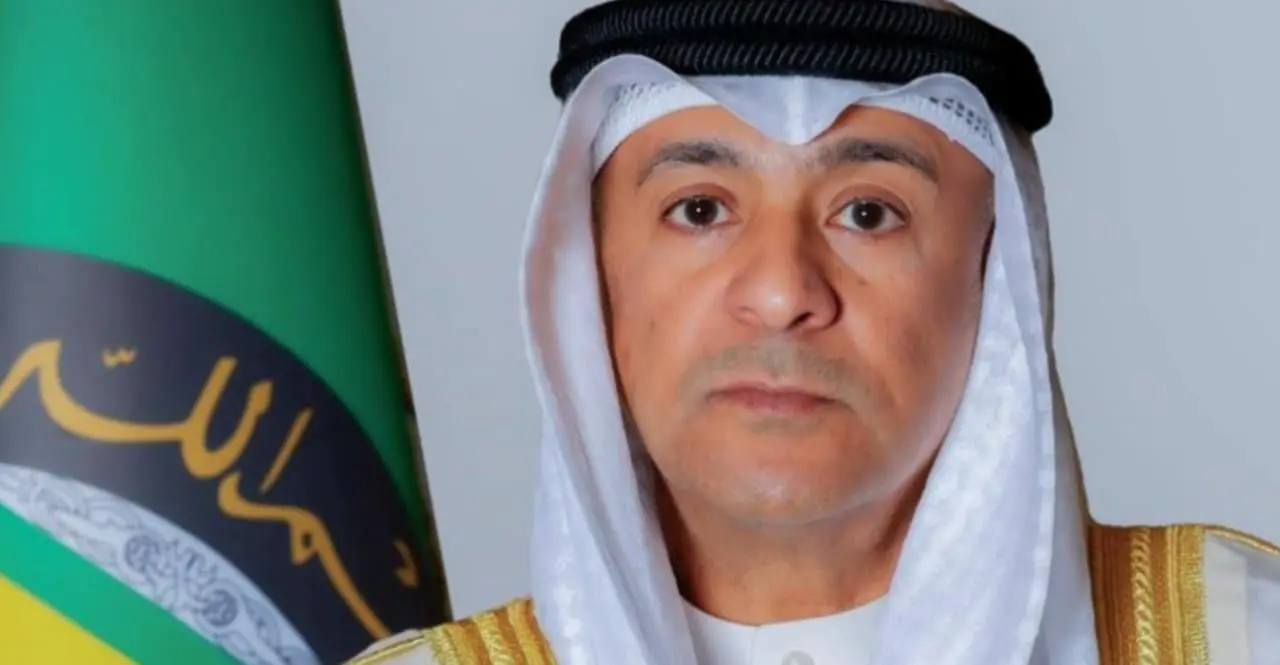
Hostile actions targeting energy infrastructure in Oriente Médio have generated a strong diplomatic response in recent hours. The secretary-general of Conselho of Cooperação of Golfo,
The target of the offensive included the Habshan gas installations and the Bab oil field, both fundamental to the region’s production chain. The episode, recorded on March 19, raises the level of alert in a geographical area already characterized by sensitive geopolitical dynamics and historical disputes over control of sea and land routes.
During his statement, the leadership of the regional bloc highlighted that the repetition of acts of sabotage demonstrates a blatant disregard for the international conventions that govern the sovereignty of nations. The stance adopted by those responsible for the action ignores basic principles of good neighborliness, which are indispensable pillars for maintaining order and security both locally and globally. Continuing this type of operation constitutes a dangerous military escalation, capable of triggering severe consequences that go beyond the borders of Oriente Médio. The compromise of extraction and processing operations directly affects the economic stability of several countries that depend on the import of hydrocarbons to move their industries and guarantee the internal supply of fuel.
The strategic relevance of the affected areas can be understood through some central factors for the energy market:
– The Bab field is one of the largest and oldest in continuous operation in the country, with a daily production capacity that is highly significant for export quotas.
– The Habshan complex acts as a central natural gas processing hub, interconnecting several distribution routes and flow pipelines.
More on this story: Gulf Cooperation Council leadership condemns Iran offensive against UAE oil fields
– Qualquer prolonged interruption in these locations requires the activation of strategic reserves by importing countries, changing the dynamics of international prices.
Diplomatic reactions and regional security measures
The statement by Jassem Mohammed Al-Budaiwi reflects a unanimous concern among the Estados-members of the Arab alliance regarding the protection of their most valuable industrial assets. The attack on structures of such magnitude is interpreted by local governments as a direct threat not only to the host country, but to the entire Golfo supply network.
The ability to continually export fossil fuels represents the backbone of the contemporary global economy. Especialistas in infrastructure security point out that failures or forced shutdowns in these distribution hubs generate an immediate domino effect on stock exchanges and energy commodity futures contracts.
The organization’s command reiterated the need to preserve the territorial integrity of all countries that make up the peninsula. The systematic violation of these borders, whether by physical or aerial means, requires a coordinated response from defense forces to avoid the normalization of attacks against civilian targets and commercial extraction zones.
On the same topic: Ukraine steps up medium-range drone attacks on Russian infrastructure
Strategic importance of Emirati energy infrastructure
The industrial complexes located in the emirate form a complex web of extraction, refining and flow that serves demanding markets in Ásia, Europa and Américas. The Bab field, specifically, has a vast infrastructure that encompasses hundreds of wells interconnected to oil and gas separation stations, requiring a very high level of safety to operate uninterruptedly. The continuous modernization of these facilities has been a government priority to ensure productive efficiency and mitigate operational risks arising from technical failures or unauthorized external actions.
At the same time, the Habshan plant functions as the heart of natural gas processing in the region, treating the extracted input before sending it to electricity generation plants and maritime export terminals. The redundancy of local security systems can often contain massive structural damage, but the nature of recent attacks demonstrates a tactical sophistication that keeps defense authorities on high alert. Protecting these areas now involves the use of advanced aerial monitoring technologies, precision radars and intensified ground patrolling around industrial perimeters.
Solidarity between the nations of the Arab bloc
The Conselho of Cooperação of the Golfo made a point of reaffirming their unconditional support for the sovereign decisions taken by the authorities of the Emirados Árabes Unidos. The diplomatic alliance provides for mutual cooperation and strategic alignment in cases of external aggression against any of its members.
Institutional support covers all defensive and preventive measures that may be implemented to protect the national heritage and the physical integrity of workers in extraction zones. The bloc’s unity aims to convey a clear message of deterrence to state actors and armed groups seeking to destabilize regional governance.
The increased frequency of incidents of this nature has the potential to further deteriorate existing diplomatic channels between Oriente Médio nations. The militarization of areas around oil areas becomes a direct consequence when preventive diplomacy fails to contain hostilities and guarantee the inviolability of airspace.
Learn more: India approves piped gas in seven days and increases fuel production to avoid shortages
The international community, including multilateral organizations and global powers, is following developments with extreme caution and attention to developments. Guaranteeing the free transit of oil tankers and the uninterrupted operation of refineries are treated as national security issues by several foreign governments that depend on this energy matrix.
Market dynamics and global supply
The inherent volatility of the hydrocarbons market means that any physical threat to large installations is immediately priced in by financial agents and commodity brokers. Quando news about attacks on oil fields is confirmed by official sources, trading algorithms and risk analysts quickly adjust supply projections, which often results in momentary spikes in the value of a barrel of oil type Brent. Producing nations face the dual challenge of maintaining the physical integrity of their industrial plants while trying to calm international markets through transparent communications about the true extent of the damage and the estimated time for full resumption of operations. The global dependence on these supply routes means that the security of Golfo is, in practice, an extension of the economic security of countries located thousands of kilometers away, making regional stability a diffuse and shared interest across the entire global production chain.
History of tensions and border security
The geography of Oriente Médio poses unique defense and logistical challenges for large-scale energy producing nations. The proximity of crucial maritime routes and the vast expanse of land borders require continued investment in anti-aircraft defense systems, signals intelligence and physical containment barriers.
The firm stance adopted by regional leaders seeks to establish clear limits of tolerance in relation to external interference and violations of sovereignty. The focus of government administrations remains on shielding production chains and maintaining a predictable business environment for commercial partners and international investors who finance the expansion of the local energy sector.
Full coverage: News (EN)
Ongoing monitoring and prevention efforts
Local security forces maintain a state of readiness, carrying out constant patrols and updating emergency response protocols in critical areas. The integration of intelligence data between allied countries remains the main tactical tool for anticipating suspicious movements and neutralizing threats before they reach industrial exclusion zones and export terminals.
More news in News (EN)
See more → Samsung releases new system update with new features for Galaxy Watch 4 users
 Digital retail reduces the value of the Galaxy S25 5G smartphone with bank bonuses and device exchange
 Amazon’s wireless CarPlay adapter has a 50% discount and high approval ratings from drivers
 Zach Cregger’s new Resident Evil ignores games and focuses on an unprecedented story with new characters
 Rumor suggests that Nintendo is preparing a special edition of the Switch 2 with a remake of Ocarina of Time
 Apple accelerates production of the iPhone 17e and develops new Air model with dual camera system
 Epic Games platform releases twelve high-budget games at no permanent cost for PC users
 PlayStation 5 Pro price drop accelerates digital retail sales and eliminates global stocks
 New Galaxy Watch 9 firmware appears on server and confirms progress in software development
 Apple’s commemorative project tests cell phone with 1.1 millimeter edge and curved screen for 2027
 New Apple system update optimizes urgent task management for iPhone users
 Leak details hardware of the new portable PlayStation with superior graphics to the Xbox Series S
More news on Mix Vale
- 1Colby Minifie confirms Ashley Barrett’s powers in The Boys season five
- 2Napoli x Milan in Serie A with confirmed lineups and where to watch live
- 3New battery test puts Galaxy S26 Ultra ahead of iPhone 17 Pro Max in global ranking
- 4Research reveals that parents are unaware of how their children use artificial intelligence
- 5Oppo officially launches the Find X9 Ultra worldwide with Hasselblad lenses and robust battery
- 6Tim Cook reveals new iPhone and iPod prototypes in celebration of Apple’s fiftieth anniversary
- 7New edition of foldable smartphone brings gold finish to Winter Games competitors
- 8Android system receives native Gemini Nano 4 integration for offline processing on smartphones
- 9Samsung updates QuickStar module and expands visual control of the panel in the One UI 8.5 interface
- 10Leak reveals Lords of the Fallen and Sword Art Online in April’s PS Plus Essential catalog