

The streaming platform Hulu has officially renewed the science fiction production Paradise for its third season. The studio’s decision confirms the original planning established by the creators, who structured the narrative to be concluded in exactly three complete dramatic arcs, ensuring a planned outcome for the central mystery.
The announcement comes at a time of high audience retention for the work, which explores the consequences of a global catastrophe and the survival of a restricted portion of humanity. The central plot follows the investigations surrounding the assassination of President Cal Bradford, played by actor James Marsden, inside a high-security underground complex designed to resist mass extinction events.
The structure of society presented in the work involves specific elements of social control and extreme survival, including the following operational factors:
– The confinement of 25 thousand people in a facility initially designed to house only political and financial elites.
– The imposition of strict coexistence and rationing rules to ensure the maintenance of limited resources in the long term.
– The class division that emerges naturally even in the face of the threat of annihilation of the human species outside the bunker.
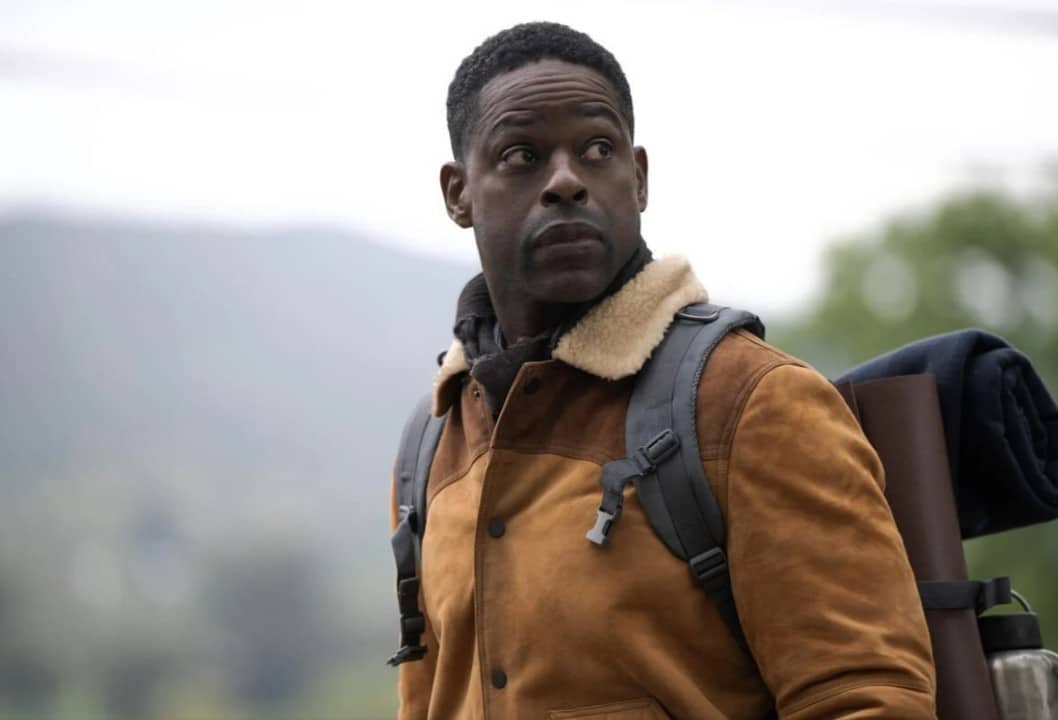
Bodyguard Xavier Collins, played by Sterling K. Brown, acts as the guiding thread of the discoveries that expose the weaknesses of this closed government system. The new batch of episodes will directly continue recent events, without significant time jumps, maintaining the focus on resolving the mysteries already presented to viewers since the pilot chapter.
Structural planning of the narrative
The confirmation of the closure of the third season reflects a current guideline in the entertainment industry to avoid excessive prolongation of scripts based on continuous suspense. Creator Dan Fogelman designed the progression of events with a clear destiny for each main and secondary character, avoiding loose ends in the series’ mythology.
This methodological approach prevents the creation of unnecessary parallel plots and ensures that all questions raised about the origin of the catastrophe receive reasoned answers. The team of writers has already started the process of formatting the final texts for the start of the pre-production phase at the studios.
Audience performance in the global market
Consumption data for the second season justifies the studio’s continued investment in completing the high-budget work. Recent episodes have accumulated more than 30 million hours of viewing on official broadcast platforms in several countries, demonstrating a growth curve in relation to the year of premiere.
When the numbers from the first and second seasons are added together, the production reaches the mark of 12 billion minutes watched worldwide. Este volume of engagement places the title among the most consumed audiovisual products in the science fiction genre today, competing directly with established cinema franchises adapted for television.
The strategy of releasing episodes weekly contributed to maintaining public interest and generating constant debates in virtual forums about the plot’s conspiracy theories. The final two chapters of the current season are scheduled to be released on March 23rd and 30th, respecting the local time zone of each broadcast region.
Construction of the underground universe
The underground city that gives the work its name functions as a microcosm of pre-apocalyptic social tensions, amplified by forced isolation. The production design utilized expansive practical sets to simultaneously convey the sense of enclosure and the magnitude of civil engineering involved in building the survival shelter.
The investigations conducted by the protagonist gradually reveal that the purpose of the installation goes beyond the simple preservation of human life after the disaster. Documentos and hidden records in lower levels point to scientific experiments and political manipulations that preceded the collapse of the Earth’s surface, indicating that the apocalyptic event may not have been accidental.
The visual contrast between the luxurious environments intended for political leaders and the operational maintenance areas reinforces the structural criticism embedded in the script. Constant artificial lighting and the complete absence of natural weather phenomena affect the psychological and behavioral state of residents throughout the months of strict confinement.
The introduction of new characters in the second season expanded awareness of the dissident factions that operate in the shadows of the city’s official administration. Estes clandestine groups question the veracity of the information provided by governments about the planet’s real habitability conditions and plan unauthorized expeditions to the surface.
Development of the central characters
Sterling K. Brown’s performance as Xavier Collins requires a technical balance between the physicality of a trained security agent and the vulnerability of a man who has lost his moral and family references. The actor, who also serves as executive producer of the project, created a protagonist who processes collective trauma through an obsession with the truth, using interrogation techniques and behavioral analysis to unravel the network of lies that sustains order in the underground complex. His character’s dynamic with local authorities creates a constant tension that drives the investigative pace of each episode, often putting him on a collision course with the military forces policing the corridors of Paradise.
In parallel, the presence of James Marsden as Presidente Cal Bradford occurs mainly through flashbacks structured in a non-linear way throughout the chapters. Estas temporal insertions serve to contextualize the government decisions that culminated in the global catastrophe and to reveal the secret alliances signed before the isolation of the selected population. The montage intersperses the politician’s optimistic public speeches with tense and confidential cabinet meetings, demonstrating the duality of his administration and providing essential clues to resolving the mystery surrounding his murder in the narrative present, an event that serves as the inciting incident of the entire series.
Narrative structure and art direction
Creator Dan Fogelman’s transition from acclaimed family dramas to science fiction thriller required a rigorous adaptation in the way of delivering information to the viewer, prioritizing psychological suspense. Art direction plays a key role in this mechanic, using the cold color palette and brutalist architecture of the bunker to signal changes in the tone of the narrative and the level of danger faced by the main characters. The cinematographers opted for anamorphic lenses that slightly distort the edges of the frame, creating an atmosphere of claustrophobia that intensifies as the conspiracies become more complex and dangerous. The original soundtrack, composed of analog synthesizers and dissonant string instruments, follows the decline of the survivors’ collective sanity, punctuating the macabre discoveries without resorting to artificial shocks or horror genre clichés. The absolute integration between script, sound design and cinematography establishes a rigorous aesthetic standard that will be maintained until the final sequence of the third season, guaranteeing the visual and thematic cohesion of the complete work from its first minute on display.
Global distribution and accessibility
The work’s international distribution logistics involve a strategic licensing partnership between different streaming platforms. Enquanto the original broadcast takes place on the Hulu platform in the North American market, audiences in other regions, including the Brazilian market, access the episodes through the Disney+ catalog, which provides professional dubbing options and subtitles in multiple languages simultaneously with the official release on Estados Unidos.
Critical reception and recognition
The technical and narrative quality of the first season resulted in four nominations for the Emmy award, the television industry’s main honor. The recognition from the television academy validated the studio’s commitment to a dense script focused on psychological development to the detriment of the excessive use of computer-generated images.
Expert critics highlight the production’s ability to mix classic tropes of dystopian science fiction with elements of political espionage and criminal investigation. The absence of Manichaeism in the construction of the antagonists is often cited in analyzes as one of the strongest points in the writing of Fogelman and his team of collaborators.
Preparations for final recordings
The art and costume departments have already begun the detailed cataloging of the items that will be reused in the production of the third season. Visual continuity is treated as an absolute priority by the technical team, considering that the events of the new year will take place immediately after the tense ending of the second season, with no room for characterization errors.
The filming schedule foresees the intensive use of studios equipped with high-definition LED panel technology to simulate devastated external environments. Esta virtual production technique reduces the need for complex real locations and allows absolute control over the lighting of apocalyptic scenes on the surface.
The main cast will go through a period of joint reading of the final scripts before the official start of image capture in the main studios. Este preparatory process aims to align the tone of the performances for the emotional climax required for the definitive resolution of each survivor’s dramatic arcs.
The studio’s operational expectation is that the post-production process, which includes the completion of complex visual effects and spatial sound mixing, will require a period of six to eight months after the end of physical recordings, guaranteeing the standard of cinematic quality established since the work’s debut on streaming.



