

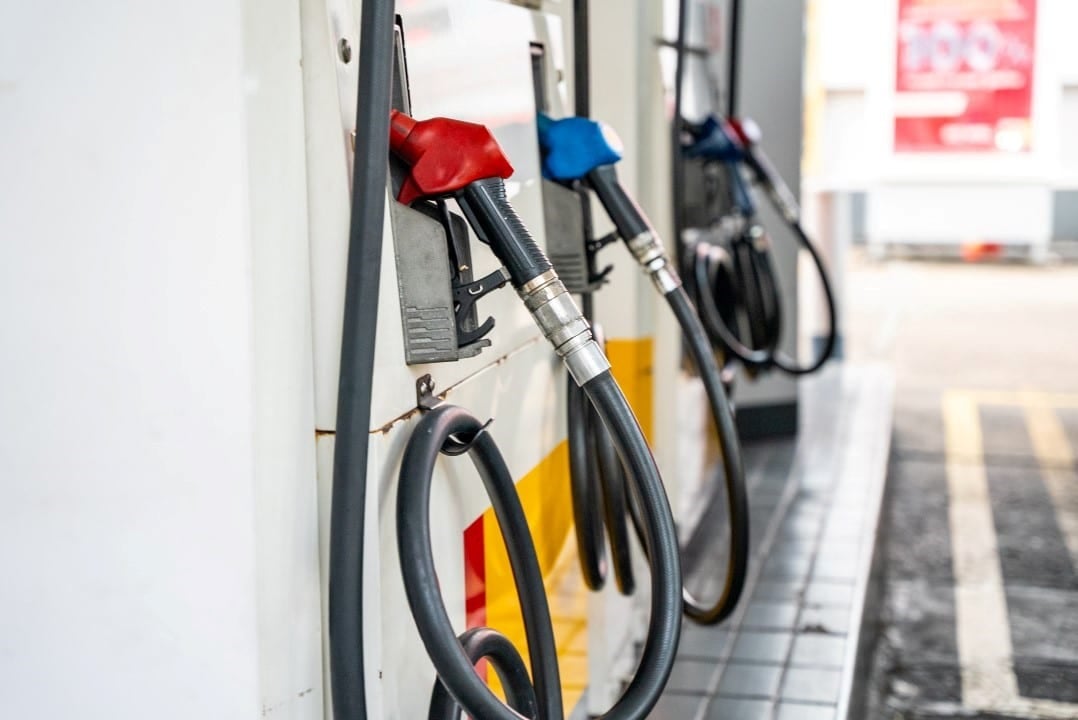
The significant increase in gasoline prices, driven by conflicts in Oriente Médio, has had a particularly severe impact on ride-hailing drivers. With each stop for fuel, these professionals see their profits decrease drastically, raising concerns about the sustainability of their operations and their own livelihoods. The situation, in effect since March 2026, has forced many to reconsider their work strategies.
In Vancouver, the tension is palpable for drivers like Kuljeet Singh, who describes each visit to the gas station as a harrowing experience. Ele reports feeling his heart race as he watches the price meter increase rapidly, a sensation that illustrates the financial weight of the current situation. The uncertainty about how to keep accounts up to date grows with each passing day.
This scenario not only affects individuals, but an entire category of workers who depend on constant mobility to generate income. Additional fuel expenses erode already tight profit margins, increasing stress and pressure on these professionals who already dedicate long hours to the streets.
Fuel increase affects drivers’ earnings
Kuljeet Singh, who also serves as director of Associação of Motoristas of Aplicativos of Transporte of Considerando that needs to refuel every three or four days to operate with the Uber and Lyft, this extra expense can add up to between 150 and 200 dollars a month, a considerable amount for those who work in the center of Esse amount represents a substantial portion of your earnings and seriously compromises the family budget.
The need to offset these additional costs leaves many drivers facing a painful dilemma: either accept a drastic reduction in their net earnings or increase their working hours. Singh, who already works seven days a week, considers the possibility of extending his shifts to 14 or 15 hours a day, an exhausting reality that reflects the financial pressure imposed by rising fuel prices. The search for more time on the road, to the detriment of rest, becomes a desperate measure to try to balance the accounts.
The connection between global conflict and the fuel tank
Global oil prices, and consequently gasoline, have soared since the beginning of attacks between the US and Israel against Irã, intensifying tensions in Oriente Médio. Essa escalation has directly affected tanker traffic on the crucial Estreito of Ormuz, a vital shipping route for oil transport. Although Embora or Canadá is a major oil producer, the country is not immune to these fluctuations, as the global crude oil market is intrinsically interconnected. Joe Calnan, vice president of energy for Instituto Canadense of Assuntos Globais, explains that significant supply disruptions anywhere in the world inevitably spread globally, including Canadá. Calnan predicts that gas prices will continue to rise as long as the conflict persists and production in the region remains at a standstill, indicating that the Canadian population will feel the weight of the energy crisis for an extended time.
Survival strategies and the limits of the journey
Faced with high prices, Earla Phillips, vice president of Associação of Motoristas of Aplicativos of Ela admits to only putting in the minimum needed for a day or two of work, remembering when 20 dollars was enough for half a tank, whereas now 30 or 35 dollars are needed. Esta is a clear demonstration of how deeply rising costs are affecting drivers’ daily lives and finances.
To minimize the financial impact, Phillips has taken a more selective approach to the trips it accepts. Essa strategy often involves more waiting time than driving, with the aim of avoiding trips without passengers on return, which only generate fuel costs without revenue compensation. Route optimization and careful analysis of requests become essential for sustainability.
Still, there is growing concern about the safety of drivers and passengers. Pressure to increase income may lead drivers to extend their working hours beyond the recommended limit. Embora Uber and Lyft limit drivers to 12 consecutive hours.
Questioned regulation and the search for support
The governments of Ontário and Colúmbia Britânica introduced legislation aimed at protecting vulnerable self-employed workers, including ride-hailing drivers. However, these measures have been the target of scathing criticism from workers and experts. The main complaint is that the rules implemented do not, in fact, guarantee better salaries or adequate financial security for these professionals.
Despite legislative efforts, the current framework is seen as insufficient to mitigate the adverse effects of increased operating costs, especially fuel. The lack of guarantees of fair pay and stable working conditions leaves drivers in a position of continued vulnerability, forcing them to absorb the majority of the burden.
Proposed solutions and the responsibility of platforms
One of the suggestions to ease the financial burden on drivers is the automatic implementation of fuel fees for passengers when the price of gasoline exceeds a certain threshold, as proposed by Earla Phillips. Essa measure would redistribute the burden of costs, preventing it from falling exclusively on drivers.
Uber has already adopted a similar initiative in 2022. Naquela time, due to Ucrânia’s invasion by Gasoline prices had reached historic record levels in the summer of that year, with the average price in Canadá reaching 207.2 cents per liter in June, according to Statistics Canada.
CBC News contacted Uber and In contrast, the ride-hailing company Hopp, which operates in the metropolitan region of Toronto, said it was evaluating prices and earnings for drivers. A spokesperson for Hopp said the company is preparing to introduce specific measures to help drivers manage short-term cost pressures, aiming to maintain a balance between costs for drivers and prices for passengers, thus ensuring the fairness and sustainability of the platform.
Reassessment of professional performance
The persistence of the current scenario of high costs and low profit margins has led drivers like Abdul Jaber to question the economic viability of continuing to work on transport platforms. Jaber, who works part-time, expresses the likelihood that many colleagues will seek other sources of income if the situation does not improve.
He suggests that many may opt for jobs in other areas, such as plastering, construction, restaurants or fast food. Essa career change would be a survival measure, demonstrating that the app driver profession, which for many represented an opportunity for flexibility and autonomy, could become unsustainable without significant adjustments in the remuneration and cost structure. Uncertainty about the future hangs over the category.



