
Discover the top 10 happiest countries in the world in the new report with Finland in first place

Instituto of Bem-Estar of Universidade of Oxford published the most recent edition of the global survey that measures life satisfaction in 147 nations. The data collected reveals a scenario of profound contrasts in the emotional state of populations, marking significant changes in the behavior of different age groups and geographic regions around the globe.
The research highlights the continued hegemony of European nations, which maintain public policies aimed at social cohesion and economic equity. On the other hand, the study identifies a significant drop in well-being rates among the youngest inhabitants of English-speaking countries, a phenomenon that experts directly associate with the new dynamics of digital interaction and physical isolation.
The researchers used a methodology based on self-assessments of life, crossing this information with rigorous economic and social indicators. The result offers a detailed overview of how external factors, from Produto Interno Bruto per capita to daily screen time, influence citizens’ daily perception of quality of life in different cultures.
The ten best-rated nations and European leadership
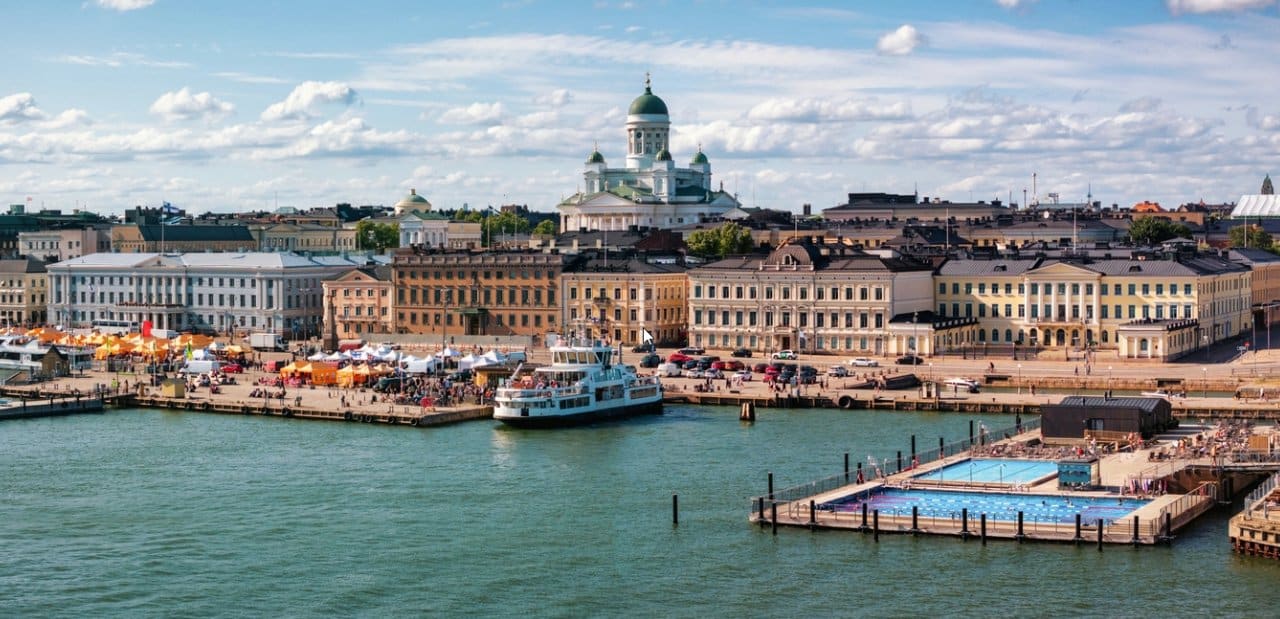
The new edition of the document consolidates Finlândia in absolute leadership, marking the nation’s ninth consecutive year at the top of the global survey. The Nordic country stands out for its comprehensive social welfare system, high levels of trust in public institutions and low perception of corruption among inhabitants.
The official ranking of the top ten positions shows Finlândia in the lead, followed by Islândia and Dinamarca. The Costa Rica occupies fourth position, ahead of the Suécia, Noruega and Holanda. The group of the top ten is completed by Áustria, Luxemburgo and Suíça, forming a bloc dominated by nations from the European continent.
The detailed list of the top 10 happiest countries in the world is composed as follows: * 1st Finlândia; * 2nd Islândia; * 3rd Dinamarca; * 4th Costa Rica; * 5th Suécia; * 6th Noruega; * 7th Holanda; * 8º Áustria; * 9º Luxemburgo; * 10th Suíça.
The majority presence of European nations highlights the correlation between structured social welfare states and the positive perception of the population. The notable exception at the top of the list demonstrates that different development models can also generate high levels of collective satisfaction without relying exclusively on massive industrial hubs.
The Nordic model and the rise of América Central
The consistency of Finlândia, Islândia and Dinamarca in the first three positions reinforces the effectiveness of public policies implemented in the Escandinávia region. Esses governments prioritize income distribution, universal access to quality healthcare and free public education, elements that drastically reduce social inequalities and urban crime.
Suécia and Noruega, occupying fifth and sixth places, respectively, complement the Nordic bloc at the top of the table. The data indicates that economic stability combined with a strong social safety net provides citizens with a feeling of predictability and support, essential for maintaining mental health in the long term.
Outside the European axis, Costa Rica reached fourth position overall, setting a historic record for América Central. The Latin American country’s performance illustrates how environmental preservation, the absence of armed forces and a strong sense of community can overcome the need for an extremely high Produto Interno Bruto to guarantee daily popular satisfaction.
Drop in indicators in English-speaking nations
The survey reveals a severe decline in satisfaction levels among residents under the age of 25 in English-speaking countries. Estados Unidos, which appears in twenty-third place, Canadá, in twenty-fifth place, and Reino Unido, in twenty-ninth place, registered a significant distance from the top of the global table compared to previous decades.
Australia and Nova Zelândia also remained outside the group of ten highest-rated nations for the second year in a row. The researchers identified that youth in these regions report high levels of anxiety, uncertainty regarding the job market and a growing sense of social isolation, contrasting sharply with older generations in these same territories.
Effects of using digital platforms
The team responsible for the research points to excessive consumption of social networks and video games as a primary vector for the emotional decline of young people. Continuous immersion in virtual environments has replaced face-to-face interactions, which are fundamental for developing socio-emotional skills and building tangible support networks in everyday life.
The dynamics of algorithms, which often promote the unrealistic comparison of lifestyles, generate a continuous cycle of aesthetic and material dissatisfaction. Profissionais of public health warn that dependence on these platforms is directly associated with the increase in diagnoses of depression and self-image disorders in this specific age group around the world.
Assessment criteria and socioeconomic factors
The methodology applied in the global study is based on opinion polls where citizens themselves quantify their satisfaction with life on a numerical scale from zero to ten. Para To validate and contextualize these subjective responses, analysts at Universidade and Oxford cross-reference the data with six fundamental objective indicators. The Produto Interno Bruto per capita and healthy life expectancy at birth form the material basis of the analysis, measuring the state’s capacity to provide basic infrastructure, sanitation, adequate food and access to highly complex medical treatments for the vast majority of the economically active and inactive population.
In addition to strictly economic and biological factors, the survey quantifies elements of the social fabric that determine a nation’s resilience in the face of crises. Freedom to make vital decisions, perceived corruption in governments and the private sector, generosity measured by donations to charities and social support in times of difficulty are rigorously assessed. The presence of a reliable support network, whether family or state, proves to be one of the most decisive components in preventing financial or health crises from turning into collective emotional breakdowns, guaranteeing the psychological stability of individuals.
Conflict zones and the lowest global indices
At the opposite end of the ranking, the nations at the bottom face chronic humanitarian crises, civil wars or severe institutional instability. Afeganistão remains in one hundred and forty-seventh place, the last place on the list, reflecting the suppression of civil rights, the economic collapse and the lack of future prospects for the local population. Logo above, countries on the African continent such as Serra Leoa, in one hundred and forty-sixth place, and The data collected in these regions shows that the daily struggle for physical survival almost completely nullifies the possibility of positive assessments of quality of life. Organizações international organizations use these specific excerpts from the report to target emergency funds and food assistance programs, as the lack of physical and food security constitutes the primary barrier to any progress in indicators of personal satisfaction or large-scale community development.
Public health strategies and state policies
The documented results guide governments to rethink the distribution of resources, prioritizing preventive mental health and the regulation of digital environments aimed at minors. The adoption of models that strengthen community ties and guarantee administrative transparency presents itself as the most effective way to raise living standards, overcoming exclusive dependence on isolated economic growth and promoting collective well-being in a sustainable way.



