

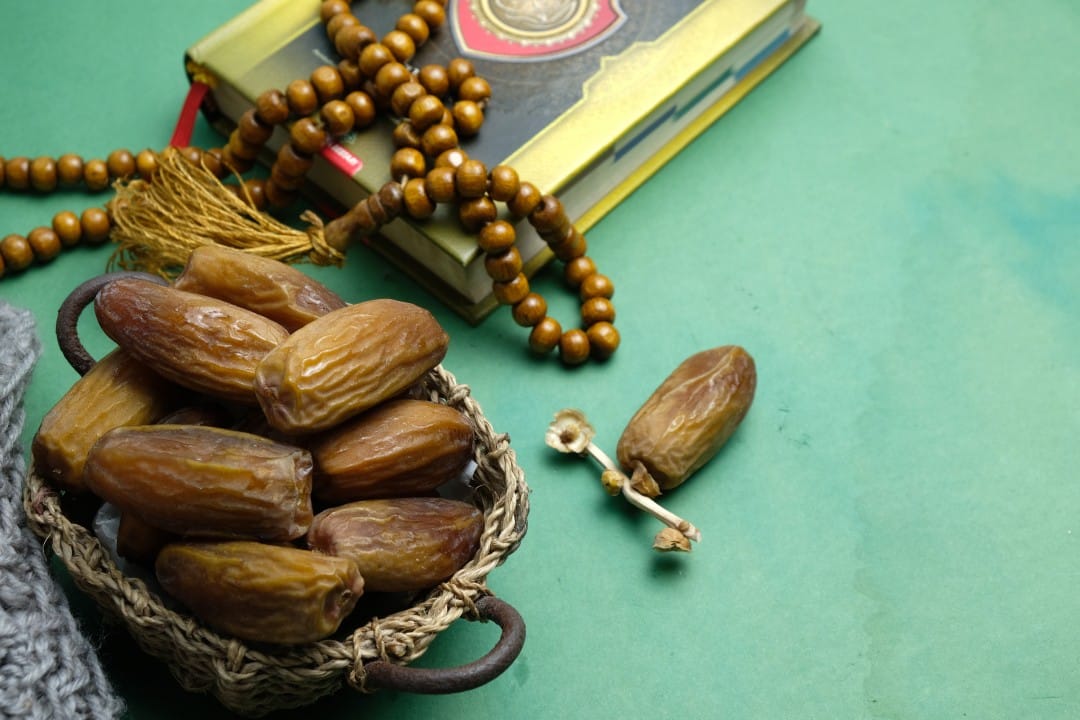
The global Muslim community has received official confirmation of the date for Eid al-Fitr, 2026. The determination was made by lunar observers at Arábia Saudita, whose authority is widely recognized among various Muslim communities around the world.
Initially, there was an expectation that Eid al-Fitr could take place on either Thursday, March 19th or Friday, March 20th. Contudo, Islamic tradition dictates that the sighting of the crescent moon, known as the “moon of Shawwal”, is the decisive factor in fixing the date. Failure to see the moon the night before confirmed the start of the holiday the next day.
This announcement is awaited by approximately two billion Muslims who, after a month of fasting, prayers and spiritual dedication during the Ramadã, are preparing for one of the most festive and significant moments in the Islamic calendar. The dependence on Arábia Saudita for this confirmation underlines the cohesion and observance of rites shared by millions of believers.
Official confirmation and the tradition of lunar observation
Arábia Saudita plays a key role in determining Islamic dates due to its geographic location and the presence of trained lunar observers. Estes experts are responsible for monitoring the sky and spotting the crescent moon that signals the end of Ramadã and the beginning of the month of Shawwal, the tenth month of the Islamic calendar Hijri.
The confirmation that the moon of Shawwal was not sighted as expected on March 19th led to the officialization of March 20th as the first day of Eid al-Fitr. Este process highlights the importance of Islamic astronomical tradition and science in guiding the daily and annual religious practices of the global community.
Understanding Eid al-Fitr in the Islamic calendar
Eid al-Fitr, known as the “festival of breaking the fast”, is the first of two major holidays celebrated annually by Muslims. Unlike solar calendars, Islamic dates are based on the lunar cycle, which causes Eid and Ramadã to occur approximately 11 days earlier each year. Esta continuous variation means that although Eid is always on the first day of Shawwal, its date on the Gregorian calendar constantly changes. The main celebration lasts one day, but many families extend the festivities for up to three days, bringing together relatives and friends for meals and exchanging gifts.
The etymological meaning and pronunciation of Eid
The word “Eid” in Arabic translates as “festival” or “feast”, while “Fitr” means “breaking of the fast”. Assim, “Eid al-Fitr” literally celebrates the end of the Ramadã fasting period. The correct pronunciation of “Eid” can be compared to the word “feed” in English, without the initial “f”. However, in Arabic (عيد), the pronunciation involves a guttural consonant, which resembles “‘ayid”, with the initial sound coming from the back of the throat.
Eid Global Traditions and Celebrations
On the day of Eid al-Fitr, Muslims follow teachings of the Profeta Muhammad, known as “Sunnah”, which are recommended practices. It is a day of great joy and communion, where fasting is prohibited, marking the transition from the period of deprivation to celebration.
Eid mornings begin early, with the preparation of special foods and dressing in the best clothes to participate in community prayers in the mosques. Families get together, share meals and exchange greetings, strengthening bonds of unity and gratitude.
Although traditions may vary slightly between different countries and cultures, the spirit of generosity and joy are universal. Crianças often receive gifts and money, known as “Eidi”, making the day even more special for the little ones.
Preparations and expectations of the Muslim community
Uncertainty about the exact date of Eid al-Fitr until the night before can generate an atmosphere of expectation and, at times, practical challenges. Pessoas who need to request days off from work, for example, often need to wait for confirmation of the crescent moon to formalize their requests, experiencing the excitement of waiting for one of the biggest days of celebration in Islã.
Anticipation is not just limited to the date, but also to preparations for the celebrations. Houses are cleaned and decorated, sweets and traditional dishes are prepared, and families plan for visits and meetings. It is a time of solidarity, where many also dedicate themselves to charitable works, ensuring that those less fortunate can also celebrate the holiday.
Comparison with Eid al-Adha
In addition to Eid al-Fitr, the Islamic calendar has another major holiday, Eid al-Adha, or “Festival of Sacrifício”. Este second Eid is celebrated on the tenth day of the Islamic month of Dhu al-Hijjah, marking the end of the annual pilgrimage to Meca (Hajj).
For the year 2026, Eid al-Adha is scheduled to begin on the evening of May 26th and end on the evening of May 27th. Ambos to Eids are moments of profound religious and cultural significance, uniting Muslims in celebration and devotion.
Observing the crescent moon: a religious pillar
Determining Islamic dates through observation of the crescent moon, also known as hilal, is an ancient practice rooted in faith. Este method connects Muslim communities directly with natural cycles and prophetic tradition, establishing a tangible link with nature and divine revelation.
Lunar observers, often religious scholars and amateur astronomers, draw on scientific and religious knowledge for their tasks. Accuracy in observation is crucial, as it not only dictates the beginning of Eid, but also defines the end of the fast and the beginning of a new Islamic month, impacting millions of lives daily.
When the moon of Shawwal is sighted, the news spreads quickly, generating a wave of relief and excitement. Essa collective confirmation is a reminder of the unity of the Ummah (global Muslim community) in their faith and practices. Waiting for the crescent moon is, in itself, an act of patience and trust in divine providence, culminating in a period of great joy and gratitude.
The end of Ramadã: a period of devotion and reflection
Ramadã is a month of intense devotion, characterized by daily fasting from dawn to sunset, abstaining from food and drink, and an expanded focus on prayer, charity, and reading the Alcorão. It is a period of self-discipline and spiritual purification, where Muslims seek greater proximity to Deus.
The closing of Ramadã with Eid al-Fitr is not just the end of a fast, but the culmination of a month of sacrifice and reflection. The celebrations are, therefore, a reward and recognition for the dedication shown throughout the period, symbolizing renewal and hope for the year that begins in the Islamic calendar. The Eid prayers are a central point, where the community comes together to express gratitude and seek blessings, reinforcing the values of solidarity and faith.



