
Chinese automaker BYD cuts value of electric SUV and introduces new version to dominate Asian sector
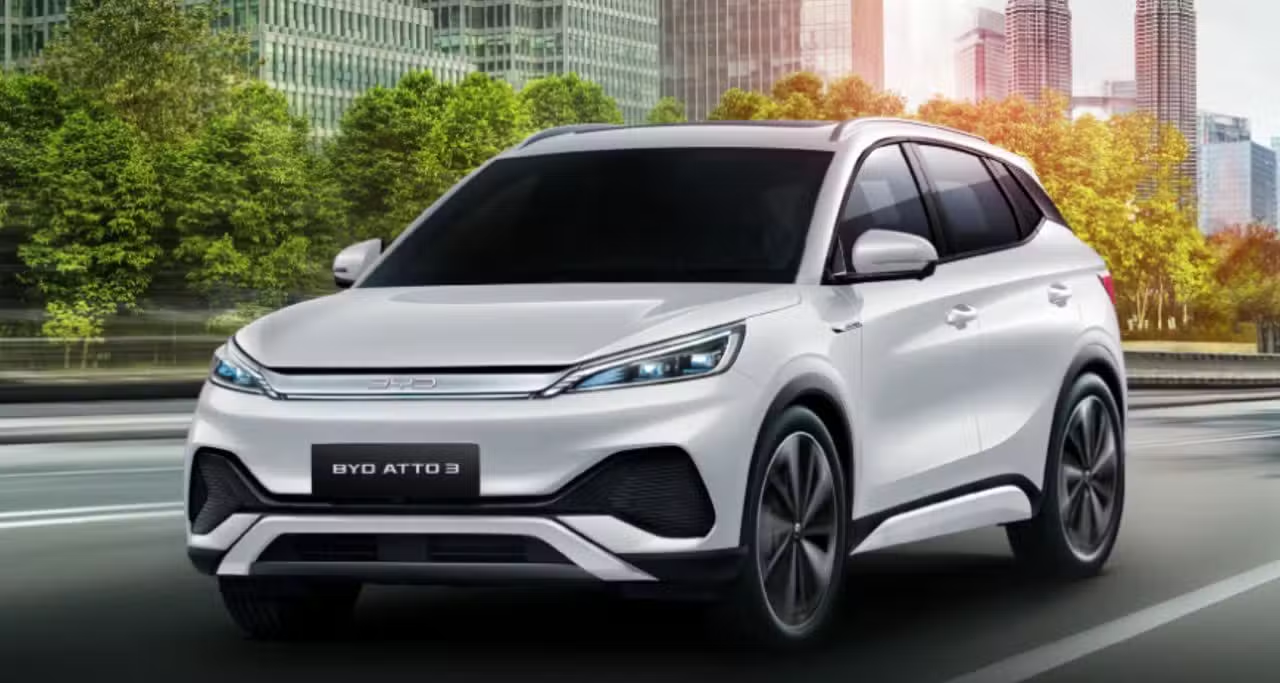
Chinese automotive manufacturer BYD has intensified its commercial strategy on the Asian continent with the update of its best-selling electric sports utility vehicle in the region. The automaker confirmed the arrival of a new configuration for the Ultra version of the vehicle, which now has a new finishing option called Atlantis Grey.
The market movement aims to attract a consumer profile that seeks aesthetic differentiation combined with high energy efficiency. The introduction of the new shade accompanies a temporary restructuring in the price table, positioning the model more aggressively compared to direct competitors in the new energy vehicle segment.
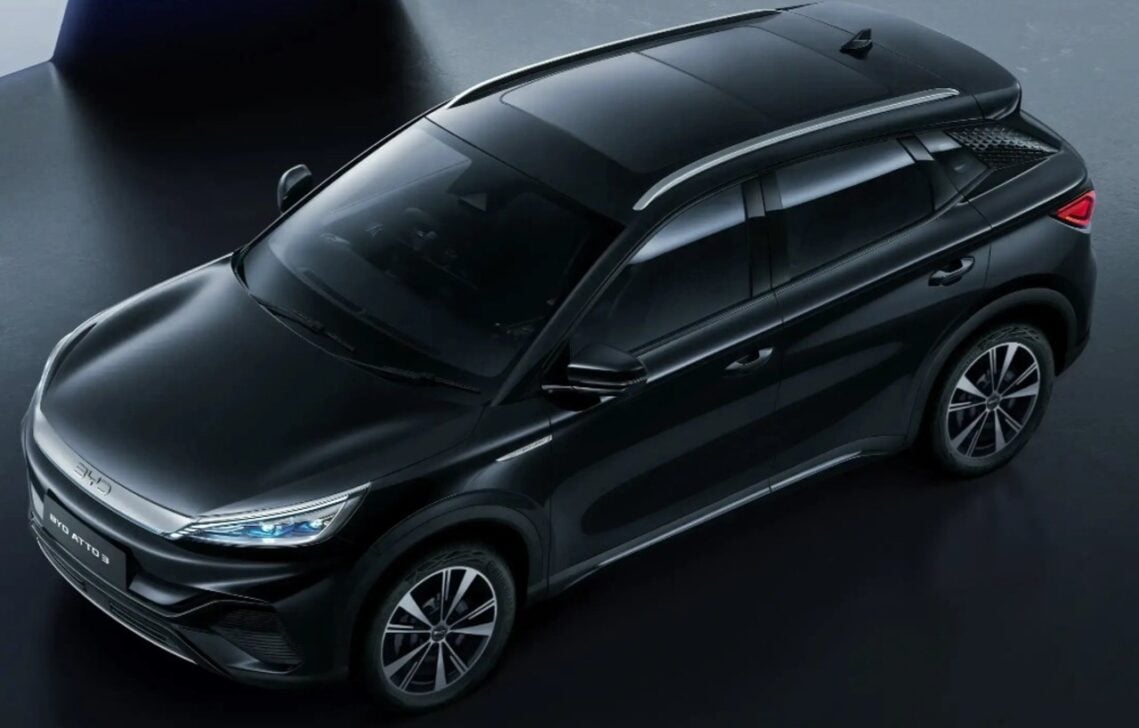
The initiative occurs at a decisive moment for the local automotive sector, where the combination of visual innovations with easier financial conditions attempts to consolidate the brand’s leadership. The promotional campaign highlights the substantial reduction in the final retail value of the top-of-the-line version, with units of the new external configuration available for immediate delivery.
Pricing strategy and local tax incentives
In the new sales campaign, the sports utility vehicle is now sold for RM105,800, which represents a significant drop in relation to the standard list price, which hovered around the RM123,800 mark. The main objective of this price reduction maneuver is to increase the volume of license plates and democratize access to electric technology for a wider audience of drivers.
The regulatory scenario of Malásia acts as the main catalyst for this aggressive commercial operation by the Asian automaker. Local government authorities currently offer full tax exemption incentives for fully imported electric vehicles, known by the acronym CBU (Completely Built Up).
This tax benefit has a stipulated expiration date and should end in the coming months, which generates a sense of urgency among consumers interested in the energy transition. With the expectation that prices will undergo an upward adjustment following the reintroduction of import duties, the current window creates a unique opportunity to acquire at a reduced cost.
The manufacturer’s strategy seeks to capitalize exactly on this market urgency, absorbing part of the pent-up demand for high-tech electric vehicles. The discount applied directly to the final price serves as an immediate attraction for those planning purchases in the medium term, anticipating decisions and guaranteeing a greater share of market share before the change in tax rules.
Visual identity and details of the new finish
The development of the Atlantis Grey color was focused on highlighting the dynamic lines and aerodynamics of the electric SUV’s body. Diferente of conventional tones, this finish presents deep metallic nuances that undergo subtle changes depending on the incidence and proportion of ambient light, giving a premium appearance that aligns with the vehicle’s technological proposal.
The introduction of this option expands the range of customization for customers, joining the colors already in the catalogue, such as Ski White, Boulder Grey and Cosmos Black. The manufacturer is betting that the visual exclusivity will attract a group of consumers who value both energy efficiency and contemporary design, complemented by standard items such as 18-inch light alloy wheels with an aerodynamic design.
Mechanical architecture and powertrain efficiency
In the mechanical aspect, the vehicle maintains the package that ensured its global popularity, being driven by a high-efficiency electric motor mounted on the front axle. Este propellant delivers instantaneous torque that allows acceleration from zero to 100 km/h in just 7.3 seconds, ensuring agility both in congested urban traffic and on higher-speed highways, without compromising energy consumption. The engineering behind this engine was developed to minimize friction losses and maximize energy regeneration during braking, a crucial factor in extending autonomy on stop-and-go journeys. The suspension calibration also works in conjunction with the traction system to offer a smooth ride, absorbing asphalt irregularities while maintaining directional stability in sharp curves, reflecting the maturity of platforms dedicated exclusively to electric vehicles.



Battery technology and charging infrastructure
Powering the SUV is provided by the advanced 60.48 kWh Blade battery, which uses lithium iron phosphate (LFP) chemistry. Esta technology is widely recognized in the global automotive market for its exceptional thermal stability and superior safety in cases of puncture or severe impacts, drastically reducing fire risks compared to traditional lithium-ion batteries. Além of safety, the structural component offers an approved range of up to 420 kilometers in the rigorous WLTP test cycle, allowing intercity travel with peace of mind.
To enable longer journeys, the vehicle’s energy management system supports rapid direct current (DC) recharging with power of up to 88 kW. Essa technical capacity allows the battery to recover from 10% to 80% of its charge level in approximately 40 minutes, a time equivalent to a quick rest stop on road trips. Essa feature greatly facilitates refueling logistics for users who depend on public charger infrastructure, making the experience of owning an electric car much more practical and closer to the routine with combustion vehicles.
Innovations in the cabin and onboard connectivity
Inside the cabin, the model continues to stand out for its high level of digitalization, with emphasis on the 15.6-inch touchscreen with electrical rotation capability. The equipment allows fluid transition between portrait and landscape modes at the simple touch of a button, optimizing the viewing angle for different types of applications.
Portrait mode, for example, is ideal for viewing routes on the GPS navigation system, while landscape mode favors media consumption and use of the integrated entertainment system. Toda this multimedia center works in sync with a compact digital instrument panel positioned in front of the driver, which displays vital driving information in a minimalist way.
Connectivity is complemented by remote software updates, which ensure the vehicle’s systems remain up to date with the latest interface and efficiency improvements. The internal environment also features soft-touch materials and an improved acoustic insulation design, increasing the sound comfort of the occupants.
Advanced driver assistance systems
The SUV’s active safety is reinforced by a complete driver assistance package designed to mitigate risks in daily traffic. The system integrates adaptive cruise control, blind spot monitoring, autonomous emergency braking and lane keeping assistant, ensuring an extra layer of protection for both the vehicle’s occupants and surrounding pedestrians and cyclists.
Impact on Asian urban mobility
The brand’s aggressive expansion with highly equipped models and competitive prices changes the dynamics of the automotive market in Ásia, forcing traditional manufacturers to review their own electrification strategies. The availability of vehicles that combine great autonomy, proven safety and attractive design breaks down initial barriers to adoption by the general public.
With the continued improvement of charging infrastructure in major Asian metropolises and the support of temporary public policies, the transition to zero-emission fleets gains irreversible momentum. The Chinese automaker’s move sets a new standard for value for money, shaping consumer expectations for the next generations of new energy vehicles.
Veja Tambem em News (EN)

Research reveals that parents are unaware of how their children use artificial intelligence

Samsung releases new system update with new features for Galaxy Watch 4 users

Digital retail reduces the value of the Galaxy S25 5G smartphone with bank bonuses and device exchange

Amazon’s wireless CarPlay adapter has a 50% discount and high approval ratings from drivers

Zach Cregger’s new Resident Evil ignores games and focuses on an unprecedented story with new characters

Rumor suggests that Nintendo is preparing a special edition of the Switch 2 with a remake of Ocarina of Time

Apple accelerates production of the iPhone 17e and develops new Air model with dual camera system

Epic Games platform releases twelve high-budget games at no permanent cost for PC users

PlayStation 5 Pro price drop accelerates digital retail sales and eliminates global stocks

New Galaxy Watch 9 firmware appears on server and confirms progress in software development

Apple’s commemorative project tests cell phone with 1.1 millimeter edge and curved screen for 2027
