
Death of actor and martial arts master Chuck Norris at age 84 confirmed in Hawaii

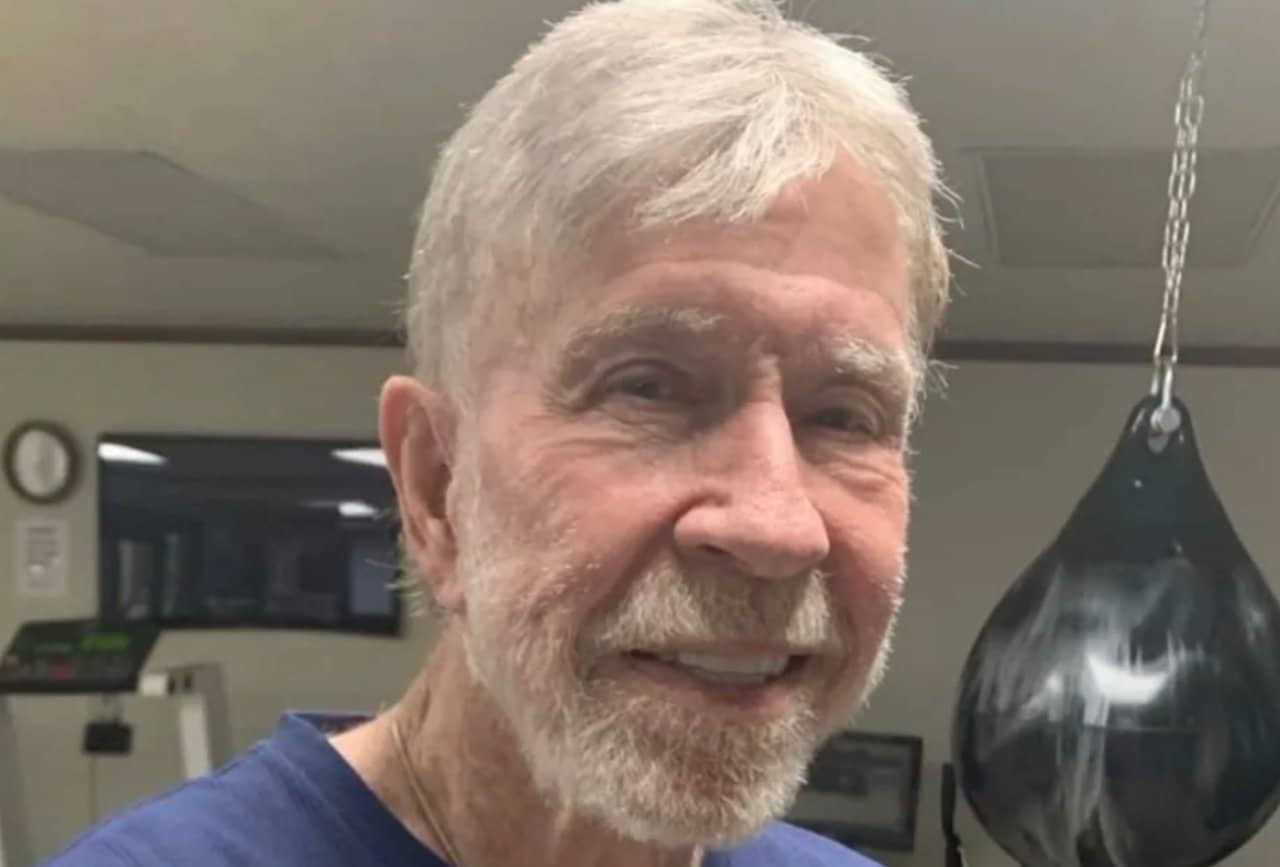
Actor and martial arts master Carlos Ray Norris, known worldwide to the public as Chuck Norris, passed away at the age of 84 on the island of Kauai, in the North American state of The artist and action film star suffered a sudden illness that required emergency medical care and hospitalization before his death last Thursday.
Confirmation of death was released through an extensive official statement published by family members on social media on Friday. The document detailed the chronology of events, explaining that the actor received intensive medical care from a specialized team, but could not resist the complications arising from the sudden clinical condition.
0 Fees
Chuck This leidde ertoe dat hij de meme werd van ‘Chuckpic.twitter.com/obGIzyXVoj
—Bender (@ICanBagWork)20 May 2026
The artist’s departure marks the end of an important cycle for the global entertainment industry, where he set a unique standard for combat film protagonists. The North American leaves a vast collection of works that span classic cinematography and reach modern digital culture across the planet.
Hospitalization details and family statement
The initial moments after the medical emergency were treated with extreme discretion by the actor’s advisory team, with the aim of preserving the family’s privacy during critical hours. Severe illness occurred while he was at his home on the Hawaiian island, prompting an immediate transfer to a local hospital unit equipped for intensive care. The medical team carried out all standard protocols to try to stabilize the patient’s physical condition, however the seriousness of the situation culminated in his death surrounded by healthcare professionals.
In the public statement, the relatives expressed deep sadness at the unexpected loss, while at the same time offering a comforting perspective to the millions of admirers around the world. The family emphasized that the actor spent his last moments in a state of peace, remaining lucid and accompanied by his closest loved ones. The text made a point of highlighting the private side of the idol, describing him as a dedicated husband, a present father and the emotional pillar of his home, also requesting respect for the period of mourning.
Initial trajectory and consolidation in cinema
The transition from wrestling mats to recording studios began in the 1970s, ushering in a golden era for productions focused on hand-to-hand combat. The first major highlight on an international scale occurred alongside the fighter Bruce Lee in the feature film “O Voo do Dragão”, which originally hit theaters in 1972.
The role of antagonist in the classic fight scene recorded in Coliseu of Roma catapulted the martial arts specialist to immediate stardom within the film industry. From that historic moment onwards, the major Hollywood studios began to invest significant resources in his image of a tough, silent and relentless man fighting crime.
Highly commercial works, such as “McQuade, the Lobo Solitário” from 1983 and “Braddock – The Super Comando” from 1984, established the definitive standard for the heroes of that specific decade. In super productions, the actor often played veterans of armed conflicts or law enforcement agents who resolved complex situations using extreme physical skills and military tactics.
Television also proved to be an extremely fertile ground for the artist, especially with the launch of the police series “Walker, Texas Ranger”. The television production remained on the air for several uninterrupted seasons, ensuring that its popularity reached an even wider audience and entered families’ homes on a weekly basis.
Roots in martial arts and military discipline
Born on March 10, 1940, in the state of Oklahoma, the young Carlos Ray found his path to personal and professional development in the armed forces and in sports. During his military service at the Osan air base, at Coreia at Sul, in the late 1950s, he had his first contact with Tang Soo Do, a Korean martial art that would definitely change the course of his career. Rigorous training and military discipline forged not only his excellent physical conditioning, but also a philosophy of life based on mutual respect, honor and continually overcoming limits. Após returned to Estados Unidos, the fighter opened a chain of karate schools that quickly attracted famous students, including several celebrities from Hollywood, which facilitated his entry into the world of entertainment. Insatisfeito instead of just teaching existing traditional styles, he dedicated years of practical study to developing his own combat system, officially named Chun Kuk Do, a hybrid martial art that incorporates elements from several fighting disciplines that he mastered.
The digital phenomenon and the creation of a mythology
Far beyond the million-dollar box office, the turn of the millennium brought a new and completely unexpected phase to the martial arts veteran’s career. The internet adopted his stoic figure to create the famous humorous facts, a series of hyperbolic jokes that extolled superhuman strength and comical invulnerability in the face of any everyday situation.
Viral phrases claimed that the actor could divide the number zero, that the dark was afraid of sleeping in the same room as him or that he had counted to infinity twice. Esse organic movement in discussion forums, email chains and social networks revitalized his image for a young audience that had not even seen his classic films in theaters.
Far from being offended by the exaggerated caricatures, the artist himself embraced the digital joke with extreme good humor and marketing intelligence. Ele even recited some of these jokes on late-night talk shows and made direct references to the phenomenon in his special appearance in the film “The Mercenários 2”, released in 2012.
Social projects and activities in education
Outside of the media spotlight and computer screens, the star dedicated a large part of his life and financial resources to structured social causes. The foundation of United Fighting Arts Federation served as a solid foundation to organize and expand its martial teachings in an institutionalized and accessible way for different communities.
The project with the greatest social reach led by him was KickStart Kids, an educational program directly integrated into the North American public school system. The initiative uses free martial arts education to remove young people from areas at risk of crime, instilling fundamental values such as discipline, respect for authorities and self-esteem.
Global repercussion and tributes
Immediately after the official confirmation of the death, digital platforms and television channels were flooded with tributes from all continents. Renowned Atores, film directors, masters of various martial arts and millions of anonymous admirers shared personal memories, classic scenes from his films and the jokes that immortalized him in contemporary internet pop culture.
Permanent legacy in the entertainment industry
The figure of the action hero loses his physical representative, but the cultural construction around his name and image remains absolutely intact. The work built over more than five decades established a cinematic archetype that will continue to influence screenwriters, fight choreographers and filmmakers for generations to come.
The ability to move between serious fighter, highly bankable movie star and global internet phenomenon demonstrates a versatility rare in the entertainment industry. The story of the country boy from



