

Access to digital entertainment faces a scenario of reconfiguration in the national market due to the passing on of operational and tax costs to the end consumer. Major launches in the software industry often exceed the R$400 mark on the main distribution platforms, establishing a significant commercial barrier for the acquisition of new products.
This reality imposes direct restrictions on the consumption of interactive culture for a significant portion of the population. The public needs to balance leisure with essential daily expenses, such as housing, food and transportation, which drastically reduces the budget margin allocated to purchasing premium releases in the traditional sales format.
The economic disparity becomes evident when analyzing the current income distribution in the country. With the current minimum wage set at R$1,621, the purchase of a single high-budget game compromises around a quarter of the basic monthly income, forcing users to reevaluate their consumption habits and look for alternative ways to maintain access to video games.
Financial impact and change in consumer behavior
The high value of interactive works reflects the exchange rate variation against foreign currencies and the tax burden on the import of digital goods. Purchasing a high-budget product represents a rigorous financial commitment for most consumers, requiring prior planning.
The search for options that do not require prior payment is no longer a casual preference but has become an urgent economic necessity. Para guarantee the sustainability of projects without charging for initial access, companies adopt specific fundraising tactics within the game itself:
– Passes season offering progressive rewards based on game time and objective completion.
– Venda of cosmetic items and visual customizations that do not alter the competitive balance of multiplayer matches.
– Lançamento of optional narrative expansions to deepen the story of specific characters and expand the virtual universe.
The process of democratizing access allows the population to enjoy high-quality digital products without a high initial investment. Essa change in capital flow reshapes the global software industry, prioritizing user retention over sales of physical or digital copies.
Developers transition to the service model
Companies in the sector understand this commercial dynamic and direct massive investments towards productions operated as continuous services. The abandonment of the traditional one-sale model aims to attract users’ attention in a highly competitive environment, where the player’s free time is the most sought after resource by technology corporations.
The financial barrier to entry acts as the main obstacle to building a solid base of active players. Studios eliminate cover pricing to capture as many downloads as possible, ensuring servers remain populated and the game ecosystem is sustained over the long term through recurring microtransactions.
Cooperative dynamics gain space on consoles
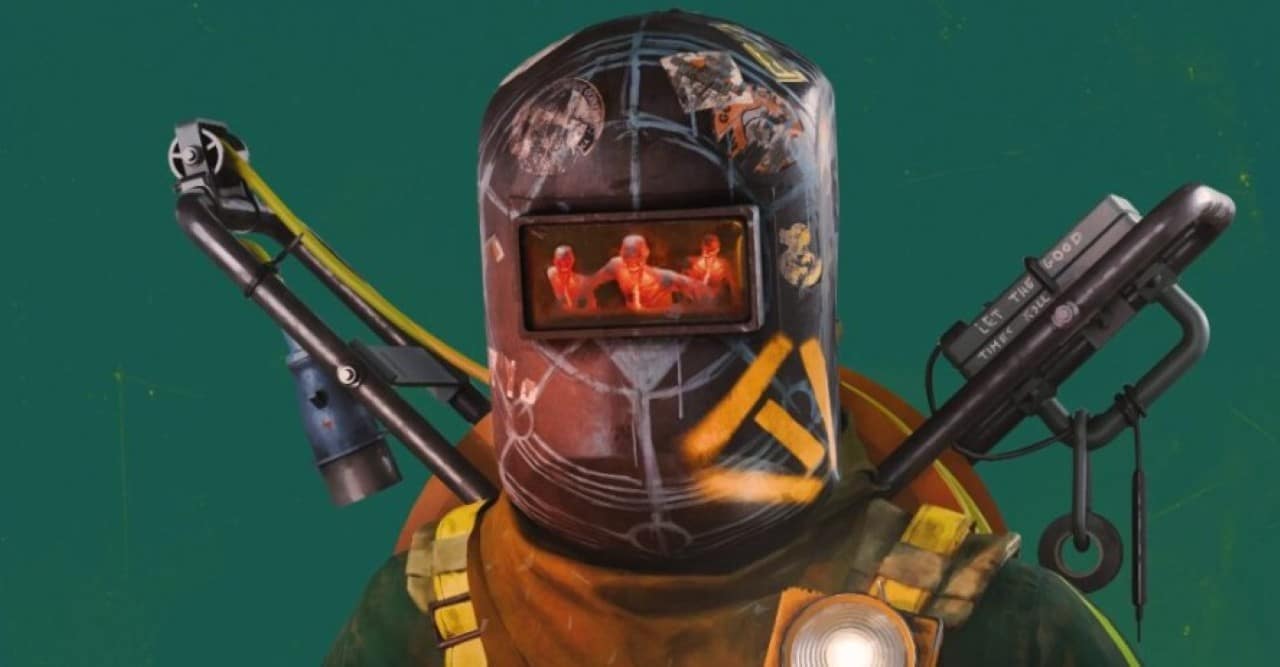
The catalog of free opportunities was recently titled FBC: Firebreak, made available free of charge on the Xbox platform during its promotional launch window. The first-person shooter discards the traditional structure of solitary campaigns to focus on an approach entirely focused on group action.
The focus of the production lies entirely on cooperative gameplay between multiple participants connected via the internet. The central mechanic requires teams to act in perfect synchronization to overcome the challenges proposed by the developer, creating a tactical dependence between squad members during raids.
The work inserts users into the science fiction universe established by the Control franchise, created by Remedy Entertainment. The narrative expands the series’ mythology by placing squads in the changing corridors of Antiga Casa, a hostile environment that procedurally alters its architecture to disorient invaders.
Players take on the role of specialized tactical agents linked to Departamento Federal from Controle. Advancement in missions demands precise coordination, constant communication and strategic use of modified weaponry against dangerous anomalies that threaten global security, requiring quick reflexes and advance planning.
Independent productions adopt experimentation tactics
The entertainment software development scenario takes on new contours with the project Sophie: Starlight Whispers, the debut work of the independent studio Youth Gaming. The complete version of the adventure arrived in digital stores with a suggested price of R$49.99, aiming to attract fantasy narrative enthusiasts. The launch demonstrates the technical capabilities of smaller teams in designing immersive virtual worlds, competing directly for the public’s attention in a market saturated with big-budget options. The production focuses on delivering a polished audiovisual experience, with full dubbing in Portuguese, which enhances the product in the national market and facilitates the immersion of local users in the plot proposed by the screenwriters.
To overcome financial hesitation and expand the reach of the work, the creators made an extensive demonstration available on the Steam platform. The sample allows interested parties to explore the initial mechanics and get to know the game’s atmosphere without having to open their wallet. The initiative works as an effective marketing tool to convert testers into buyers of the full version. The title adopts the structure of the metroidvania genre, characterized by the non-linear exploration of interconnected scenarios, where the acquisition of new skills allows access to previously blocked areas. Essa strategy of free distribution of a segment of the game reduces the risk of consumer regret and builds a relationship of trust between the studio and the gaming community.
Hegemony of the multiplayer format in combat arenas
The arena survival segment maintains leadership in the easily accessible entertainment sector with established phenomena such as Apex Legends and Fortnite. Industry giants support a massive user base by providing dedicated servers for computers, desktop consoles and mobile devices, ensuring connection stability on a global scale. The technical integration between different platforms allows friends to play together regardless of the hardware equipment they have at home, breaking down the historical barriers that separated the communities of each console manufacturer. The free nature of these systems is supported by a continuous stream of seasonal updates that renew game mechanics, change the geography of virtual maps and introduce new weapons. The regular introduction of new characters with unique abilities, the constant balancing of the arsenal and the holding of limited-time themed events guarantee a competitive experience that does not become stale. Esse operational model encourages daily dedication from participants without charging mandatory fees to access the main combat modes, consolidating a habit of continuous participation that eliminates the need to purchase new paid titles, as the base game is in perpetual evolution and content expansion.
Strategic alternatives diversify the library
The global phenomenon Genshin Impact has consolidated its position in the market by offering a vast open world with cutting-edge graphics quality without requiring an initial investment. The production delivers hundreds of hours of execution on complex missions, exploration of detailed scenarios and a combat system based on elemental reactions that attracts both casual and more dedicated players.
At the same time, users looking for intellectual challenges find solid alternatives in automatic combat simulators and digital card games, such as Teamfight Tactics and Hearthstone. The games require a high capacity for adaptation, reading of the opponent’s behavior and in-depth knowledge about the synergy between the pieces available on the board, rewarding the continuous study of mechanics rather than direct financial support.
Monitoring of virtual stores guarantees license redemption
Building a diverse and cost-free digital library requires the consumer to adopt the habit of frequently monitoring the main computer software distribution platforms. Lojas online update their home pages with aggressive promotional campaigns and enter into strategic partnerships to offer permanent redemption of weekly titles, distributing everything from critically acclaimed independent works to big-budget productions released in previous years. Adicionar wish list games automates the receipt of alerts about price drops or free periods, transforming the hardware equipment into a large and accessible entertainment center for the end user.



