

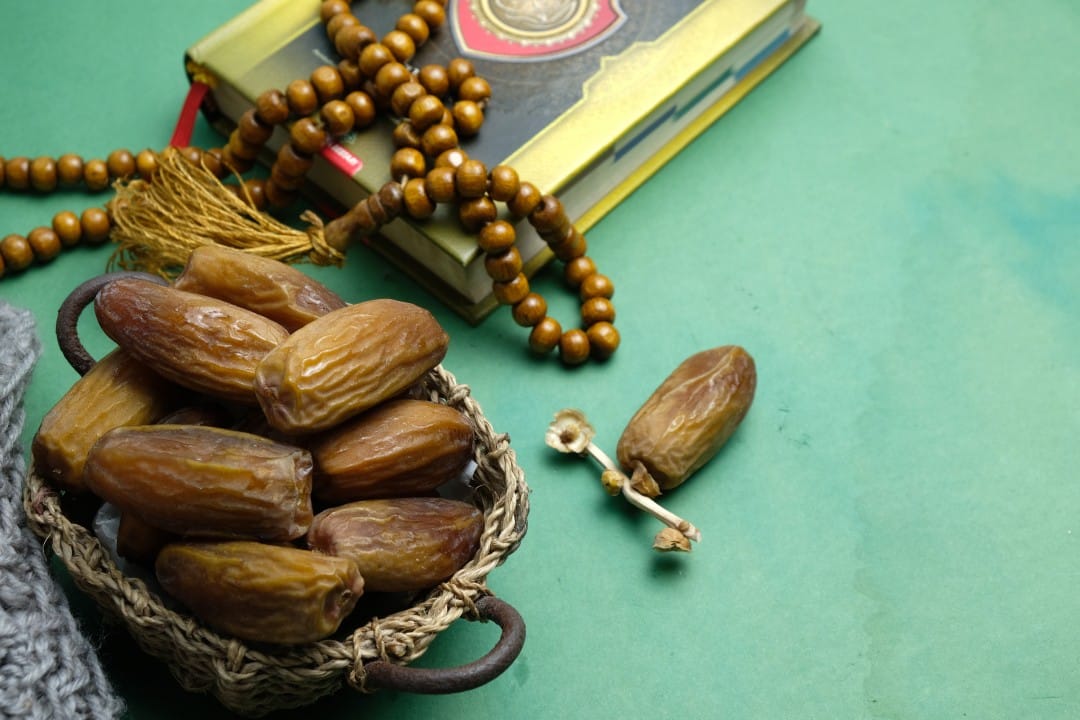
The global Islamic community has received official confirmation on the date of the next major religious holiday. Este significant event marks the end of the holy month of fasting and spiritual devotion. The decision stems from detailed astronomical observations and rigorous traditional practices. The authorities responsible for visually checking the sky have finalized the calendar adjustments. Milhões of followers around the world align their local practices with these central announcements. Synchronization ensures a unified approach to one of the most important periods in the religious calendar. Preparations are already underway in several countries to accommodate the festivities. The transition from a period of strict discipline to one of celebration requires logistical and spiritual readiness. Local governments and community leaders use this information to organize public prayers and large events.
The methodology for determining the exact day is based on specific and secular criteria. Experts are looking for the appearance of the new crescent moon in the night sky. Quando visual confirmation is not possible due to atmospheric conditions or astronomical positioning, a predetermined protocol is activated.
– Observação direct from the night sky by trained experts.
– Uso of complementary astronomical equipment for precision.
– Aplicação of mathematical calculations when visibility is zero.
This established process prevents confusion among believers and provides a clear timeline for the end of the abstinence period. The official statement serves as a definitive guide for communities that do not have their own observation infrastructure. Consequentemente, alignment with a central authority promotes global cohesion and order in rituals.
Importance of lunar observation in tradition
The practice of observing the stars has deep roots in the history and culture of the region. Especialistas dedicate their lives to studying celestial cycles to ensure the accuracy of sacred dates. Esse detailed work combines centuries-old knowledge with modern verification techniques.
The committee responsible for validation brings together religious authorities and renowned scientists. The final decision is only promulgated after an absolute consensus among the council members. Qualquer divergence in readings requires an immediate reevaluation of the data collected during the night of observation.
Calendar dynamics and annual shift
The time counting system used differs significantly from the Western Gregorian model. Baseado entirely in the cycles of the moon, the year has a shorter duration, totaling about three hundred and fifty-four days. Essa fundamental characteristic causes a continuous displacement of festive dates.
With each new annual cycle, events move back approximately eleven days in relation to the standard solar calendar. Isso means that celebrations span all seasons of the year over three decades. The faithful experience fasting both during the long days of summer and the short journeys of winter.
Adapting to these changes requires flexibility and planning on the part of communities. Escolas, businesses and government institutions in Muslim-majority countries adjust their routines to accommodate religious needs. Respect for this temporal fluidity is a mark of cultural resilience and social organization.
Community preparations and family traditions
The days leading up to the big celebration are marked by intense commercial and domestic activity. Families dedicate time to deep cleaning their homes and renovating the spaces. Buying new clothes is a tradition enthusiastically maintained by people of all ages.
In local markets, demand for specific ingredients reaches its annual peak. Doces Traditional, high-quality dates and rare spices quickly disappear from the shelves. The kitchens become true culinary production centers to welcome family and friends.
Charity plays a central role in this phase of spiritual and social transition. A mandatory contribution is collected and distributed to the most vulnerable members of society before the festive prayers begin. Esse mechanism ensures that everyone has resources to participate in the celebrations with dignity.
Children await the event with particular anxiety due to the customs associated with the date. It is common practice for older people to give young people small amounts of money or wrapped gifts. Essa exchange strengthens intergenerational bonds and creates lasting emotional memories within the family nucleus.
Morning rituals and congregational prayers
The morning of the festival begins before sunrise with purification rituals and the eating of a small food, usually dates, to symbolize the definitive breaking of the fast. Worshipers dress in their best attire and head to places of prayer, which can be large mosques or wide open spaces prepared specifically to accommodate crowds. The journey to the site is made with the recitation of praises, creating an atmosphere of reverence and collective joy that reverberates through the streets of the cities and residential neighborhoods.
The special prayer consists of two units and is followed by a sermon given by the local religious leader. The message generally focuses on themes of gratitude, forgiveness, solidarity and the importance of maintaining the good habits cultivated during the month of abstinence. Após At the conclusion of the ceremony, those present embrace each other and exchange formal greetings of blessings, dissolving old disagreements and renewing the commitment to community harmony for the cycle that begins.
Differences between the main religious festivals
The calendar establishes two major festivities that anchor the religious life of practitioners throughout the year. Enquanto the current event celebrates the successful completion of a period of deprivation and self-discipline, the second major date has a distinct focus. The subsequent festival, which takes place months later, is intrinsically linked to the annual pilgrimage period to holy sites. Essa another celebration commemorates the willingness to sacrifice and unconditional obedience to divine designs. Associated practices involve distributing meat to family, friends and those in need, reinforcing the pillar of charity in a practical way. Ambas the dates share the emphasis on prayer in congregation and strengthening social ties. However, the atmosphere at the end of the fast is often described as lighter and focused on personal renewal. Understanding these nuances is essential to appreciating the richness and complexity of traditions held by billions of individuals. The ongoing cycle of devotion and celebration structures the year and provides a steady rhythm for spiritual and community development.
Global impact and institutional recognition
The recognition of these dates transcends the borders of the countries of origin of the religion. Organizações international, Western governments and global corporations issue official congratulatory messages and adjust their corporate calendars. Essa growing visibility reflects the demographic importance and cultural integration of the diaspora around the world, promoting an environment of mutual respect.
Linguistic meaning and etymological roots
The terminology used to describe the festivities carries considerable historical and semantic weight. The main word directly translates as a return to a state of joy or a recurring feast. The second part of the name specifies the nature of the celebration, explicitly referring to the act of breaking the dietary restriction imposed for thirty days.
The correct pronunciation of these terms varies slightly depending on the regional dialect and phonetic adaptation in non-Arabophone countries. Contudo, the essence of meaning remains unchanged, serving as a unifying linguistic code for practitioners. Consistent use of this nomenclature preserves the original identity of the event across centuries and global migrations.



