

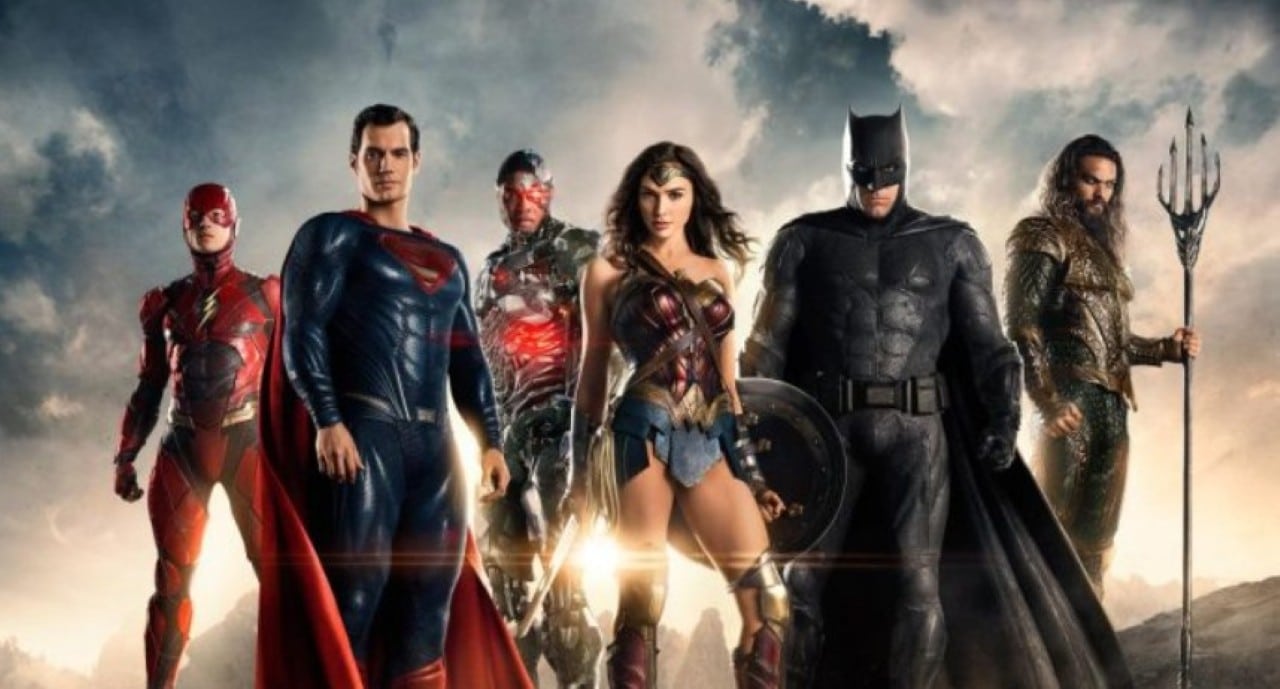
The Indonesian television network Trans TV has scheduled the broadcast of the cinematographic work that brings together the main characters from DC’s Universo Estendido for this Friday night. The session is part of the block known as Bioskop Spesial, aimed at presenting major world cinema productions in the Asian country’s open programming schedule.
The feature film directed by Zack Snyder and completed by Joss Whedon will air at 8:30 pm, in the local time zone of Jacarta. The broadcaster’s initiative aims to capture the audience during the national holiday period, a time when television entertainment consumption by families registers higher rates than on conventional weekdays.

Originally released in cinemas worldwide in 2017, the super production marks the first time that pop culture icons shared the same screen in live-action format. Free-to-air broadcasting democratizes access to action and fantasy content, maintaining the franchise’s relevance years after its debut on the big screen.
Central plot and the extraterrestrial threat
The main narrative develops shortly after the events that culminated in the death of Superman, leaving the planet Terra vulnerable to invasions by beings from other worlds. Global mourning serves as the backdrop for the arrival of Steppenwolf, an alien warrior who acts as the plot’s main antagonist.
The attacker’s objective is to locate and unify three ancient artifacts known as the Caixas-Mother, which were hidden in the Terra millennia ago by different civilizations. The joining of these technological relics grants absolute power to the bearer, allowing for the terraforming and complete destruction of entire worlds.
Faced with the imminent threat, Bruce Wayne, under the mantle of Batman, and Diana Prince, the Mulher-Marvel, begin a search against the clock to recruit individuals with extraordinary abilities. The formation of an alliance becomes the only viable alternative to prevent the forces of Apokolips from realizing their plans for global domination.
The recruitment process exposes the vulnerabilities and personal dilemmas of each new member, who needs to overcome past traumas to work together. The group’s dynamics evolve from initial mutual distrust to essential tactical coordination during the decisive battles against the parademon army.
Formation of the metahuman team
The team’s composition requires the integration of distinct personalities and powers that complement each other on the battlefield. Arthur Curry, Aquaman, brings the strength of the oceans and unusual physical resistance, while Barry Allen, Flash, adds the ability to manipulate Força from
Victor Stone, transformed into Ciborgue after a near-fatal accident, represents the fusion between human biology and the alien technology of the Caixas-Mother herself. Sua the ability to interact with any digital system on the planet becomes an indispensable tool for tracking enemy movements and disabling the invading ship’s defenses.
Behind the scenes of film production
The project’s development faced significant turbulence during its post-production phase, resulting in a work that mixes two distinct directorial visions. Zack Snyder had to step away from directing the film due to family issues, passing the baton to Joss Whedon, who conducted extensive reshoots and changed the original tone of the narrative.
The change in direction was directly reflected in the color palette, the soundtrack composed by Danny Elfman and the inclusion of lighter dialogue, seeking a broader commercial appeal. Essas changes generated intense debates among pop culture enthusiasts, later culminating in virtual campaigns for the release of the original director’s cut.
Despite behind-the-scenes controversies, the main cast, led by Ben Affleck, Gal Gadot, Jason Momoa, Ezra Miller and Ray Fisher, delivered performances that consolidated the image of these characters for a new generation. The return of Henry Cavill as Clark Kent represents the emotional and physical turning point necessary for the story’s climax.
Asian broadcaster’s programming strategy
Trans TV’s decision to allocate a high-budget visual effects work to prime time reflects a common tactic among broadcast television networks to maximize viewer retention during long holiday weekends. The Bioskop Spesial block has a history of showing Hollywood action titles, creating a consumer habit among the Indonesian public who seek domestic leisure alternatives at no additional cost. The broadcast of superhero films not only guarantees a children’s audience, but also attracts adults familiar with comic books, consolidating significant audience numbers for the channel’s advertisers.
The Asian television market continues to demonstrate strong demand for dubbed or subtitled Western productions, especially those involving visual spectacle and global salvation narratives. The screening of the two-hour theatrical version fits perfectly into the programming schedule, allowing the insertion of strategic commercial breaks without excessively compromising the rhythm of the narrative. Essa prática de licenciamento de grandes blockbusters reforça a competitividade da emissora frente ao crescimento das plataformas de streaming na região, oferecendo um evento televisivo síncrono que gera engajamento simultâneo nas redes sociais locais.
Continued relevance of the action genre
The permanence of productions based on comic books in the programming schedules of broadcasters around the world attests to the lasting strength of this segment in the contemporary entertainment industry. Obras that bring together multiple protagonists with superhuman abilities operate like modern epics, translating moral conflicts and the eternal struggle between good and evil into a visually stimulating language that is easy to assimilate across different cultures. The journey of isolated individuals learning to operate as a cohesive unit resonates universally, regardless of language or geographic barriers. Além In addition, the complexity of computer graphics special effects and immersive sound design ensure that the viewing experience maintains its technical value even years after its original theatrical release. Broadcast television acts as a vehicle for perpetuating this legacy, introducing the characters to new viewers who may not have had access to the films in their initial release windows, thus ensuring the commercial and cultural longevity of the intellectual properties involved.
Technical aspects of transmission
Broadcasting the feature film requires technical adaptations by the broadcaster to guarantee image and sound quality on domestic receiving devices. The signal compression process and the adaptation of the original screen format to television standards are fundamental steps to preserving the visual experience idealized by the film’s cinematographers.
Reception from the television audience
The expectations surrounding the exhibition reflect the standard behavior of viewers who use social networks to comment on the events of the plot in real time. Digital engagement during the broadcast tends to elevate terms related to characters to the most talked about topics on online interaction platforms.
This second screen phenomenon enhances the broadcaster’s reach and creates a collective viewing experience, even with the audience fragmented in their respective homes. Simultaneous interaction reinforces the role of open television as a social aggregator in leisure moments.



