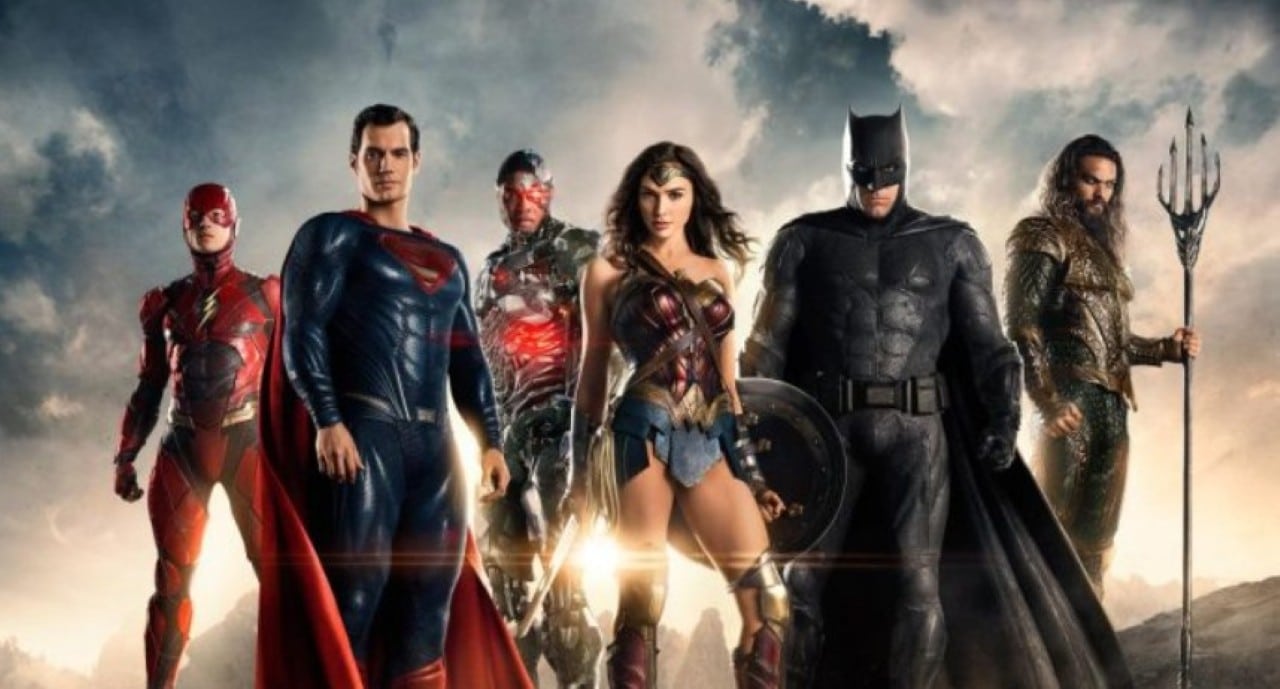
The screening of the feature film that brings together the main heroes of the publisher DC Comics is highlighted in the television programming schedule this Friday. The broadcast is scheduled to begin at 8:30 pm, offering viewers the opportunity to follow one of the biggest productions in the superhero genre directly on open television. The initiative aims to capture audiences looking for high-budget entertainment at the start of the weekend.
The central plot follows the journey of Bruce Wayne, Batman, who decides to form an unprecedented alliance after the events that culminated in the absence of Superman. Impulsionado Out of a restored faith in humanity, the billionaire of Gotham City joins forces with Diana Prince, the Mulher-Wonder, to recruit a group of individuals with extraordinary abilities. The objective is to create a line of defense capable of protecting the planet from an imminent invasion.

The main cast features well-known names from Hollywood playing iconic figures from global pop culture. The formation of the team officially introduces characters such as the speedster Flash, the king of Atlântida Aquaman and the cyborg Victor Stone to the shared universe in cinemas. Juntos, they must overcome their differences and learn to act in coordination before the alien threat achieves its ultimate goal of global destruction.
Team formation and the threat of Lobo from Estepa
The plot develops from the arrival of Lobo from Estepa, an intergalactic villain who returns to Terra with an army of creatures known as Parademônios. The antagonist’s mission consists of locating and unifying three artifacts of incalculable power called Caixas Maternas, which were hidden millennia ago by different peoples on the planet, including Amazons, Atlanteans and humans. The invader’s relentless pursuit forces the newly assembled heroes into immediate action, facing large-scale battles in different locations, from isolated islands to abandoned underground facilities.
The dynamics between the team members serve as the narrative core of the production, exploring the contrast between the tactical experience of Batman and the inexperience of younger heroes like Flash. Mulher-Marvel acts as the group’s liaison and moral compass, while Aquaman and Ciborgue deal with their own reluctance to accept the call to heroic responsibility. The narrative gradually builds the need for the return of the Superman, establishing that only the combined strength of all the original members of the league would be enough to repel the invasion and prevent the synchronization of the Caixas Maternas.
Troubled behind the scenes and the change in project direction
The film’s production faced significant challenges that drastically altered the final result displayed on screen. The original director, Zack Snyder, had to step away from the project during the post-production phase due to a severe family tragedy. The sudden departure left the studio with the responsibility of finishing one of the most expensive and anticipated films of the decade.
To complete the work, the producer hired Joss Whedon, a filmmaker known for his work in competing productions of the same genre. The new director took on the responsibility of overseeing extensive reshoots, as well as rewriting substantial portions of the original script. The studio’s objective was to make the narrative lighter and more accessible, inserting more humor and reducing the total duration of the work.
This transition of command resulted in a work that presents a visible clash of cinematographic styles. Especialistas in cinema and the public noticed the difference in tone between the scenes designed by Snyder, marked by a darker and grander aesthetic, and the sequences added by Whedon, which focused on quick dialogue and comic relief. The mix of these two views generated intense debates about the artistic integrity of the production.
Box office performance and global audience reaction
The theatrical release generated box office numbers that were below the financial expectations of the responsible studio. Apesar to gross hundreds of millions of dollars worldwide, the high production cost, added to the exorbitant expenses with reshoots and global marketing, made the profit margin extremely narrow. The commercial performance was considered disappointing for a film that brought together the company’s most valuable intellectual properties.
The reception from specialized critics was mostly mixed, pointing out structural flaws in the narrative and character development. The visual effects, especially in scenes involving the main antagonist and in the digital changes made to some actors’ faces during reshoots, were the target of harsh criticism. The press highlighted that the attempt to emulate the tone of other successful franchises distorted the previously established visual identity.
On the other hand, some of the public praised the interaction between the heroes and the fast pace of the adventure. The introduction of Flash and Aquaman was seen as a positive, generating enough interest to warrant the production of solo films for these characters in the following years. The soundtrack, which revived classic themes from old productions, also found supporters among the most nostalgic viewers.
The ambiguous result at the box office forced the studio to rethink its entire strategy for the shared superhero universe. Planos for direct sequels were shelved, and the board chose to focus on individual and disconnected adventures, de-emphasizing major character-union events. The film marked a turning point in how the company managed its theatrical properties.
The fan movement and the release of the director’s cut
Dissatisfaction with the version shown in theaters gave rise to one of the most significant virtual movements in the history of modern entertainment, driven by fans who demanded the release of the original cut created by the first director. Através of massive campaigns on social networks, financing of billboards in strategic locations and support from members of the cast itself, popular pressure has grown steadily over the years. Esse unprecedented phenomenon in the film industry culminated in the studio’s decision to invest additional resources to finalize the visual effects and soundtrack of the original vision, later releasing it on a streaming platform. The existence of this alternative version transformed public perception of the 2017 film, which came to be seen by many as a product of corporate interference, while the director’s cut was acclaimed for its narrative cohesion and thematic depth, establishing a new paradigm about consumer power in the digital age.
Importance of television exhibitions for the audiovisual market
The inclusion of major film productions in the open television channel schedule continues to be a vital strategy for maintaining audiences. Filmes of superheroes have a multigenerational appeal, attracting children and adults who have followed the characters since classic comic books. Essa The ability to bring the family together in front of the screen makes the product highly attractive to advertisers.
Broadcasters use these blockbusters as programming anchors, building promotional campaigns around the exhibition to boost audience ratings for the entire nighttime schedule. The broadcast of a film with the weight of Liga and Justiça works like a television event, capable of competing directly with the on-demand entertainment options available on the internet.
Audience strategies for weekend nights
The positioning of the screening on Friday night follows a logic of media consumption consolidated in the television market. Este time marks the beginning of the rest period for the majority of the working and student population, a time when the search for evasion and action content reaches its peak. The epic film programming aims to retain viewers who choose to stay at home.
In addition to guaranteeing significant numbers at the time of transmission, the strategy strengthens the broadcaster’s brand as a reliable destination for the consumption of high-quality cinema. Audiences’ familiarity with DC characters Comics lowers the barrier to entry, ensuring that even casual viewers feel compelled to tune in during primetime.
Legacy of production for the future of the cinematic universe
The film version of the team of heroes remains a historic milestone in the evolution of comic book adaptations, serving as a case study on the limits of franchise management. The lessons learned from production processes and public reception continue to influence the decisions of executives and filmmakers in the construction of new narrative universes in contemporary pop culture.