
Japanese producer changes strategy and confirms new Final Fantasy VII on multiple platforms

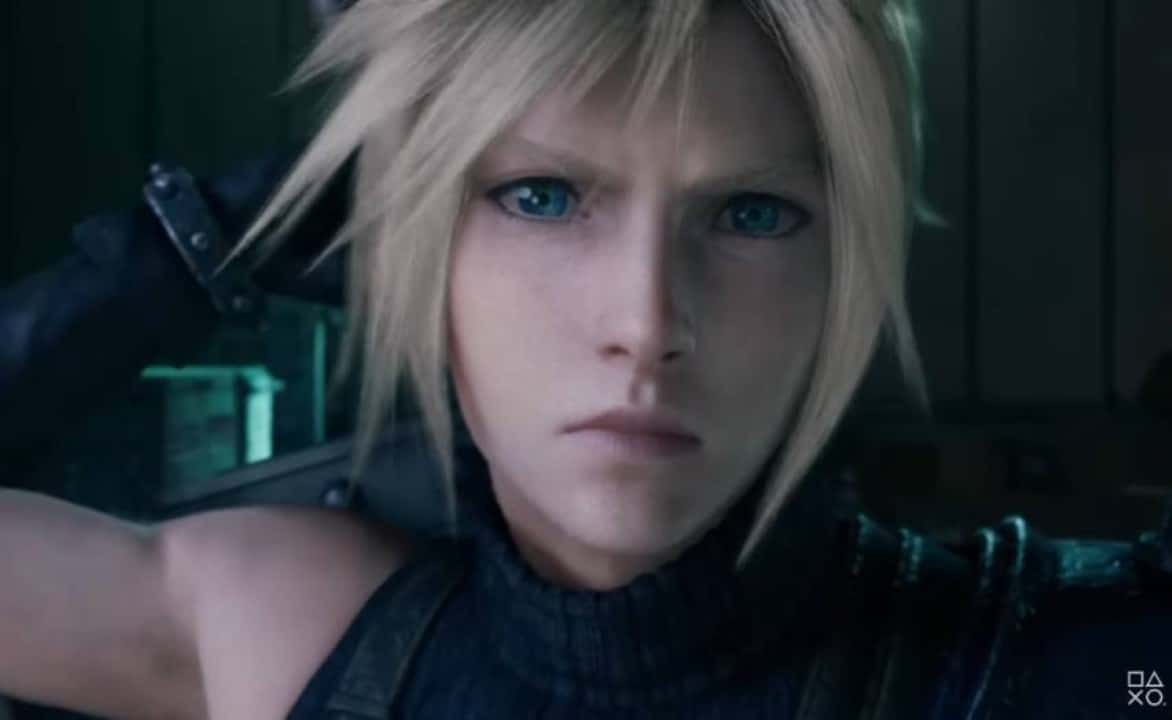
The developer responsible for one of the most traditional RPG franchises in the electronic games market has officially made a drastic change in its distribution model. The third and final part of the project to recreate a 1997 classic will abandon the temporary exclusivity format that marked previous releases. The new title will arrive simultaneously on current generation consoles and computers, marking a profound restructuring in the Asian company’s commercial guidelines. The decision aims to maximize the product’s reach on the first day of sales, avoiding audience fragmentation and the loss of engagement that occurred in the months following launches restricted to a single ecosystem.
End of temporary exclusivity on consoles
The franchise’s recent history was marked by commercial agreements restricted to specific manufacturers. The first chapter of the trilogy hit the market in 2020 for just one platform, receiving subsequent updates for the new generation and, much later, for computers.

This window of exclusivity generated distancing from a significant portion of consumers. Jogadores of other systems had to wait years to access the content, which resulted in a natural drop in interest and the dilution of initial marketing campaigns.
The second chapter, released in early 2024, followed a similar playbook, remaining restricted to a single hardware. Relatórios later financials indicated that, despite positive critical reception, initial sales were below the producer’s most optimistic projections in the global market.
The new cross-platform approach eliminates this initial barrier to access. The simultaneous release ensures that the installed base of different hardware manufacturers can purchase the software at the height of promotional campaigns, unifying the player base.
Development costs and financial readjustment
The production of high-budget games has reached unprecedented financial heights in the contemporary industry. Equipes comprised of hundreds of professionals, the use of cutting-edge technologies and development cycles that span almost half a decade require an immediate and substantial financial return. The business model based on exclusivity, where a hardware manufacturer compensates the producer for keeping the game restricted to its system, has become insufficient to cover rising costs and guarantee safe profit margins for the company’s shareholders and investors.
Given this economic scenario, the developer’s management opted for an aggressive transition to the multiplatform format. The central strategy now is to spread the product across as many digital and physical storefronts as possible. By making the title available simultaneously on three different fronts, the company dilutes operational risks and exponentially increases the potential consumer market, ensuring that the massive investment in production is recovered more quickly during the launch window, without depending on third-party capital injections.
Technological advances and graphics engine
The technical aspect of the new project reflects the maturity of the development tools used by the engineering team. The transition to the latest version of a third-party graphics engine allowed the creation of vast, interconnected environments, eliminating the abrupt transitions that limited exploration in previous titles. The solid-state storage architecture, natively present in current consoles and modern computers, is fully exploited to load ultra-high-resolution textures and complex character models in fractions of a second. Isso results in a seamless experience, where the player can travel through the skies of the virtual world and land in different regions without the interruption of loading screens. The programming team has dedicated the last few years to optimizing the source code to ensure that this fluidity is maintained regardless of the hardware chosen by the consumer, establishing a level technical standard across all target platforms and avoiding performance discrepancies.
Evolution of the combat system
The clash mechanics have also undergone substantial refinements for this final stage. The system that mixes real-time action with the tactical selection of commands through menus has been improved to offer greater responsiveness to the player’s commands.
The developers focused on creating clearer synergy between party members, allowing for combo attacks with smooth visual transitions. Fluid frames per second have become an absolute priority to ensure precision during the most complex battles.
Internal tests confirmed that the optimizations applied to the graphics engine significantly reduced control latency. The combat experience was designed to work identically on all systems, with no technical advantages tied to a specific console brand.
Impact on gaming market dynamics
The arrival of a large Japanese RPG title into the ecosystem of a North American manufacturer on the first day represents a relevant commercial milestone. Historicamente, this platform faced difficulties in attracting productions of this genre simultaneously with its direct competitors.
The change strengthens the catalog of all digital stores involved and levels competition between hardware manufacturers. The consumer now chooses the platform based on personal preferences, without the pressure of purchasing a specific system just to consume a work of interest.
Internal restructuring of the producer
To make this simultaneous launch possible, the company needed to readapt its internal certification and quality control processes. The creation of parallel software assembly lines ensured that versions for different systems were developed and tested together. Engenheiros of software were reallocated to ensure that the architecture of each console and computers was respected from the first day of coding, avoiding delays common in adaptations made later by third-party studios.
Global marketing strategy
Unifying the launch allows the advertising team to focus its financial resources on a single, massive global campaign. Anteriormente, marketing budgets needed to be split or reworked when the game arrived on a new platform years after its original release.
With the new guideline, reveal events, trailers, and promotional materials reach the entire player base simultaneously. Isso maximizes the impact of public relations actions and generates much stronger organic engagement on networks and specialized discussion forums.
Main changes in commercial distribution
The new publishing policy establishes clear guidelines for the future of the franchise and changes the way the product will be delivered to retailers and end consumers around the world. The structural modifications include the following operational points adopted by the company:
– Disponibilização simultaneously in three different ecosystems on the day of global launch.
– Fim definitive temporary exclusivity contracts that limited initial commercialization.
– Guaranteed technical Nivelamento between all versions, exploiting the fast storage of each machine.
– Campanhas of unified marketing, without distinction of hardware brand in the advertising pieces broadcast.
– Foco in the immediate recovery of development costs through high sales volume in the first weeks.



