

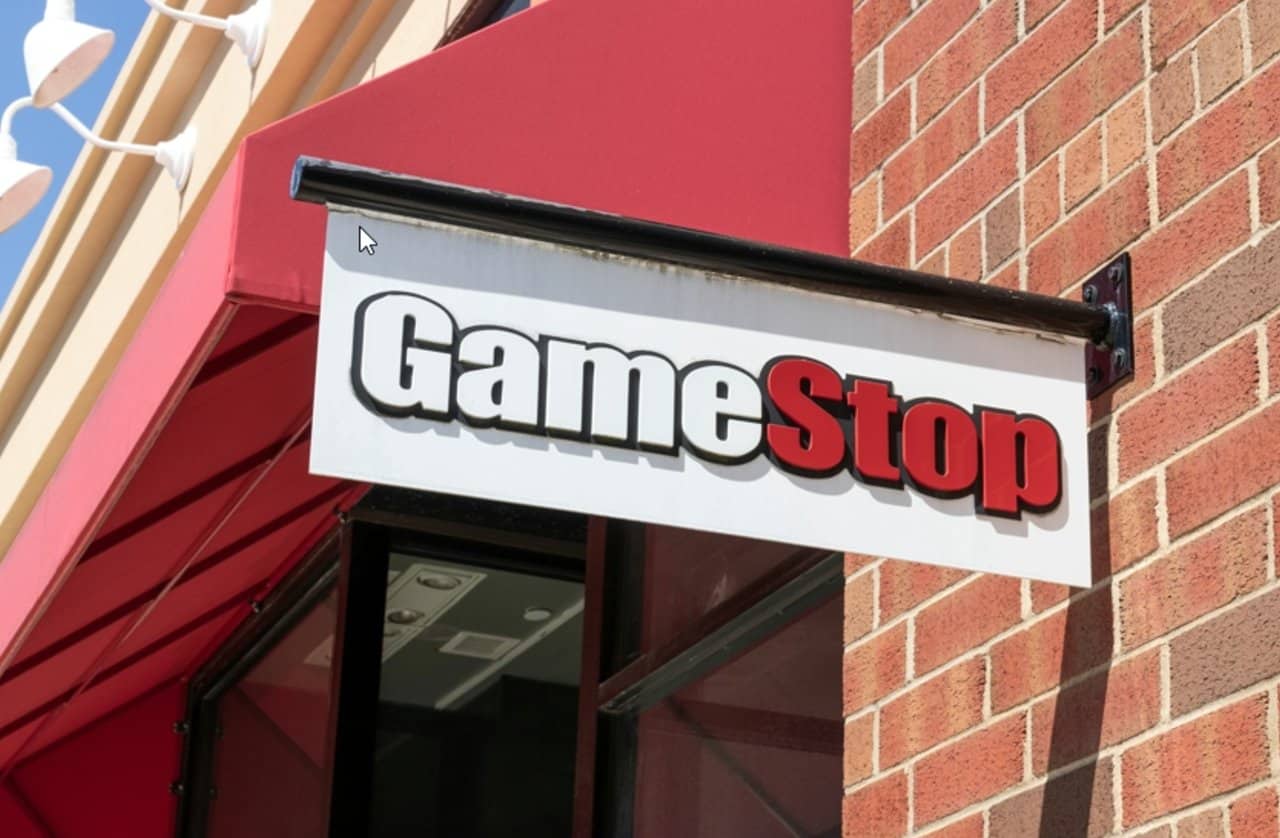
The PlayStation 3, one of Sony’s renowned platforms, was officially reclassified by retailer GameStop as a retro console. Essa change of status, which became a significant milestone in the device’s life cycle, comes after the end of support for the Netflix application on the platform, one of the last major streaming services to abandon the system. GameStop’s decision not only reflects the technological evolution of the gaming market, but also offers new opportunities for collectors and enthusiasts of older games by simplifying the process of trading in and selling these consoles.
The end of support for the Netflix, in mid-2023, symbolized the end of an era for many PS3 users who still used the console for media consumption other than games. For years, the PlayStation 3 has been an all-in-one home entertainment hub, combining high-quality gaming with access to a variety of streaming apps. With the departure of the Netflix, the PS3’s usefulness as a modern media device diminished considerably, pushing it further into the niche of hardware dedicated exclusively to games of its generation.
The impact of ending Netflix support
The departure of Netflix from PlayStation 3 was a final blow to the console’s media functionality, which had already been losing support from other streaming applications over the years. Esta discontinuation was not surprising, given the advanced age of the hardware and the need for streaming companies to focus on more modern and secure platforms, with the ability to offer updated features and a better user experience. Para many owners, the PS3 has, in effect, become a legacy gaming machine.
Essa PS3’s transition from an all-in-one console to a purely legacy gaming platform is a natural process in the industry. Cada generation of consoles eventually reaches a point where third-party support wanes, and the user community turns to preservation and nostalgia. GameStop, by recognizing this shift, is strategically positioning itself to meet this growing demand for retro items.
The rise of the retro console market
GameStop’s reclassification of the PlayStation 3 as a retro console is a formal recognition of a trend that was already observed in the gaming market. Interest in consoles and games from past generations has grown exponentially, driven by the nostalgia of older players and the curiosity of new generations to explore the history of video games. Esse segment of the market, previously considered niche, now represents a significant portion of sales and exchanges.
Plataformas like the Nintendo 64, the PlayStation 2 and the Sega Dreamcast already enjoy cult status among collectors. The inclusion of the PS3 in this list indicates that a relatively more recent console is starting to be seen in a new light. GameStop’s movement reflects the company’s adaptation to consumer dynamics, where the search for authentic experiences and the preservation of classic titles become increasingly relevant.
Ease of exchanges and new opportunities
The main practical implication of reclassification for consumers is the simplification of the exchange process. By being categorized as a retro console, the PlayStation 3 now fits into a more flexible evaluation and marketing system within GameStop stores. Isso could mean better offers for those who want to sell their old console, whether to free up space or to invest in new platforms.
Para enthusiasts and collectors, this change is excellent news. The greater ease of finding and purchasing PS3 consoles, along with the vast library of exclusive games that the platform offers, revitalizes interest in titles that may have been forgotten. Jogos like “The Last of Us”, “Grand
The legacy of PlayStation 3 in the gaming scene
Lançada In 2006, the PlayStation 3 got off to a challenging start, but quickly established itself as a dominant force in the video game industry. With its Cell Broadband Engine architecture, the console promised revolutionary graphics and advanced multimedia capabilities. Throughout its lifespan, the PS3 was home to graphical and narrative innovations, setting new standards for the gaming experience.
The PS3’s vast game library is one of its greatest assets, with hundreds of titles ranging from critically acclaimed exclusives to cross-platform classics. Muitos of these games are not yet available on other platforms or have been remastered with visual sacrifices. The ability to run these titles on their original hardware is a huge draw for purists and collectors, solidifying their place in video game history.
GameStop and market strategy
GameStop has faced significant challenges in recent years adapting to an increasingly digitized market. Investing in the retro segment represents an intelligent strategy to diversify your revenue sources and capitalize on an expanding market niche. By embracing older consoles, the company can attract a customer base that values the physical gaming experience and the pursuit of collectibles.
Essa approach complements the retailer’s other initiatives, such as expanding its collectible product offering and exploring new business models. The reclassification of the PS3 demonstrates an ability to read the market and a willingness to reinvent itself, seeking relevance in a constantly changing scenario. The company recognizes that nostalgia and cultural preservation in games are valuable assets.
The evolution of streaming services and consoles
The story of PlayStation 3 and Netflix is a microcosm of the evolution of streaming technology and the way we consume entertainment. In the early 2010s, having a streaming application on a video game console was a differentiator. Hoje, smart TVs, dedicated streaming devices, and even newer consoles offer streaming integration natively and with better performance.
Essa change has led to the obsolescence of older hardware for streaming functions. Content companies prefer to focus their development resources on platforms that can support the latest video technologies, such as 4K and HDR, and that offer a larger, more active user base for these services. The PS3, although still functional for games, can no longer compete in this scenario.
The future of game and hardware preservation
GameStop’s move raises important questions about the preservation of games and hardware. As older consoles lose support from their manufacturers and software developers, the responsibility for keeping these systems and their games accessible falls to the gaming community, collectors and retailers. The reclassification of the PS3 helps to legitimize and formalize this role.
With the PlayStation 3 now categorized as retro, it is expected that there will be an increase in the availability of replacement parts and accessories, as well as an increased interest in the maintenance and restoration of these devices. Este movement not only celebrates the history of video games, but also ensures that future generations can access and appreciate the technological and artistic milestones that the PS3 represented in its time. Valuing the digital past becomes crucial for understanding the present and future of the industry.



