

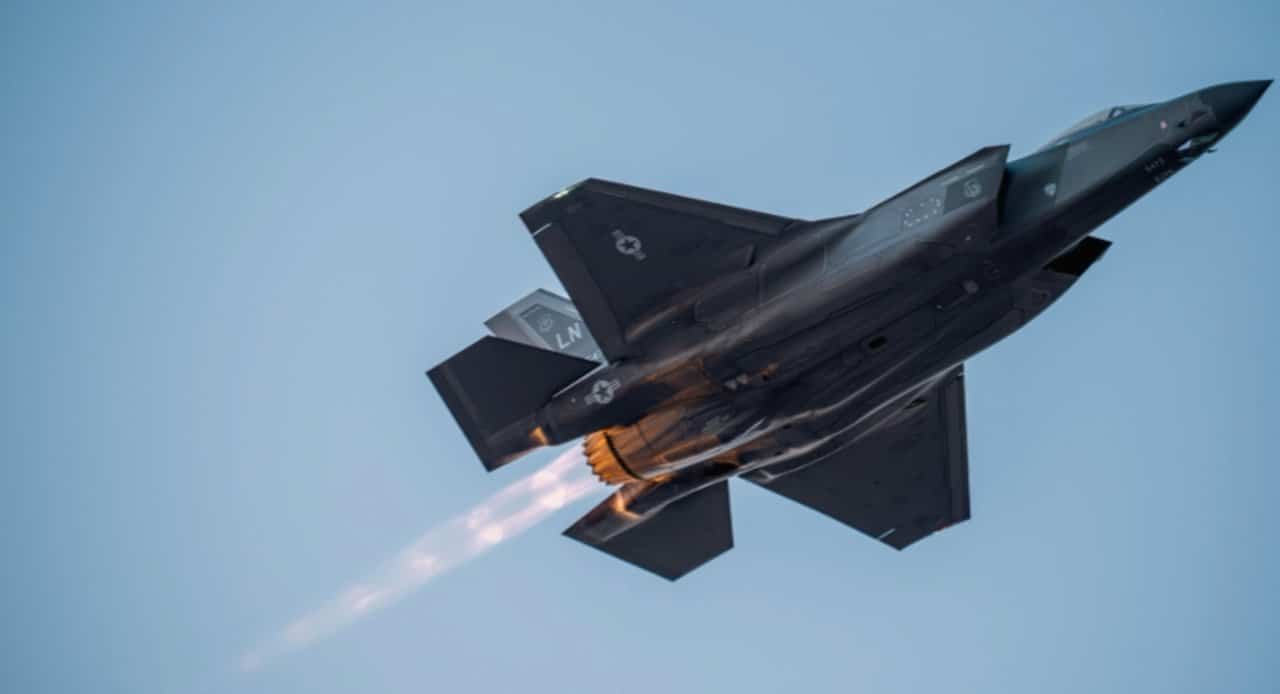
The capital of Israel recorded a new wave of bombings this week, marking the worsening of direct hostilities in Oriente Médio. The anti-aircraft defense system was activated to intercept projectiles fired at urban areas, but the falling debris resulted in four injured people and structural damage to public roads. The event raises the level of military alert throughout the country’s territorial extension, requiring strict security protocols for the civilian population.
The air attack occurred at a time of intense political movement, shortly after the president of the Estados Unidos, Donald Trump, declared the existence of negotiations for a truce in the region. The statement about a possible diplomatic agreement was immediately rejected by the authorities of Teerã, highlighting a disconnect in international communications and the lack of a consensus on the interruption of ongoing military operations.
The current geopolitical dynamics remain unstable, alternating demonstrations of military force with attempts at mediation that often come up against contradictory narratives. The international community monitors the situation closely, assessing the risks of the conflict spreading to neighboring nations and compromising security on strategic trade routes around the world, which requires quick responses from multilateral bodies.
Air offensives and overload of defense systems
Israeli urban infrastructure suffered significant damage following the recent air raid, confirming the escalation of military operations in the region. Sirenes emergency services were activated in multiple southern cities, requiring the rapid mobilization of rescue and damage control teams amid continued bombing alerts.
The frequency of the attacks tested the maximum capacity of the country’s interception system, which managed to neutralize most of the devices in the air. Simultaneamente, the Emirados Árabes Unidos recorded the interception of five ballistic missiles and seventeen drones, indicating a tactic of coordinated attacks on multiple fronts to disperse the Allied defenses.
Contradictions in international truce negotiations
On the diplomatic front, President Donald Trump announced the possibility of a five-day pause in offensives, specifically aimed at protecting Iran’s energy infrastructure. The statement suggested progress in talks with foreign leaders to establish initial parameters for appeasement.
The Iranian government’s response was immediate and contrary to the narrative presented by Casa Branca. The country’s authorities categorically denied the existence of any ongoing dialogue with the Estados Unidos, ruling out the formulation of a ceasefire along the lines publicly announced.
Faced with public disagreement, American representatives classified the negotiations as fluid and requested caution in external assessments. The absence of transparent communication channels recognized by both parties makes it difficult to implement practical measures to reduce hostilities in the short term.
Land movements and logistics infrastructure control
Military operations are not restricted to airspace, extending to strategic land incursions on the region’s borders. Desde the beginning of the month, troops advance south of Líbano with the declared objective of dismantling the bases of operation of the Hezbollah group and neutralizing border threats.
One of the tactics used involves the demolition of bridges over the river Litani, fundamental routes for connecting different areas of Lebanese territory. The destruction of these structures aims to disrupt supply lines and limit the ability to move heavy weapons in the border area.
The Israeli Defesa minister, Israel Katz, confirmed that the armed forces will maintain control over the Litani river crossings that have remained intact. The measure signals an intention to establish a prolonged security perimeter, changing the dynamics of territorial control in the conflict area.
The Lebanese government formally protested the operations, classifying the land advance and destruction of civilian infrastructure as a direct violation of its sovereignty. The continued military presence in the south of the country raises the likelihood of direct engagement with regular Líbano armed forces.
Breakdown of relations and expulsion of diplomats
The escalation of tensions resulted in severe diplomatic measures by nations affected by military operations. The Líbano government decided to withdraw the credentials of the Iranian ambassador in the country, declaring the diplomat persona non grata and establishing a strict deadline for his definitive withdrawal from the national territory. The decision reflects discontent with external influence on internal security dynamics and the attempt to isolate actors considered destabilizing to the local order.
In a complementary move, the Lebanese Ministério of the Relações Exteriores summoned their own diplomatic representative back to the capital for emergency consultations. The official justification for the downgrade of relations points to undue interference in Estado matters, marking a significant rupture in the historical ties maintained in the region. The diplomatic crisis runs parallel to armed clashes, further reducing space for regional mediation and making it difficult to establish negotiation tables.
Internal security measures and leadership reconfiguration
Internally, the political scenario is facing turmoil that required energetic responses from the Estado security forces. Autoridades announced the arrest of 466 individuals on charges of inciting public opinion and disseminating propaganda favorable to opposing nations on digital platforms. The repressive operation demonstrates an attempt to consolidate control over the official narrative and mitigate the risk of popular uprisings during a period of extreme external vulnerability. Paralelamente to prisons, a restructuring took place in the high spheres of power, with the appointment of Mohammad Baqer Zolqadr to the secretariat of Conselho Supremo of The change in strategic command indicates an emergency adaptation in defense and diplomacy guidelines. The figure of the president of parliament also gains prominence in international assessments, being pointed out by American analysts as a central piece in a possible transitional government, which inserts the conflict into a complex web of internal political disputes and reconfigurations of regional power.
Warnings about the geographic expansion of clashes
Guarda Revolucionária issued a formal statement warning about the preparation of attacks against opposing troops positioned at Cisjordânia. The declaration comes as direct retaliation for the continuity of operations against the Hezbollah and the recent incidents involving settlements, indicating the imminent opening of a new battlefront that could engulf territories previously peripheral to the main conflict.
Divergent positioning of global powers
The conduct of military operations generated friction between historical allies on the international scene. The command of the França armed forces criticized the unpredictability of the Estados Unidos’s actions, arguing that the lack of prior communication about strategic maneuvers compromises the security of European troops and French interests in the region.
On the other hand, the Catar government reiterated its opposition to any military strategy based on the total annihilation of opposing forces. The country defends the exclusive maintenance of the diplomatic route to resolve the crisis, highlighting the fragmentation of the global consensus on the appropriate methods to restore stability in the Oriente Médio.



