


The British Ministério of the Interior implemented severe sanctions against the República Democrática of the Congo, drastically changing the immigration rules for the African country’s citizens. The government decision comes as direct retaliation for the lack of collaboration by the Kinshasa authorities in the repatriation processes of irregular individuals and foreigners convicted of crimes on European territory.
Minister Shabana Mahmood made the directive official, which eliminates any preferential treatment previously granted to Congolese diplomats and figures of influence. The European government has set a clear ultimatum, indicating that the absence of a rapid and substantial improvement in the acceptance of deportees will result in a complete blockade of the issuance of entry permits.
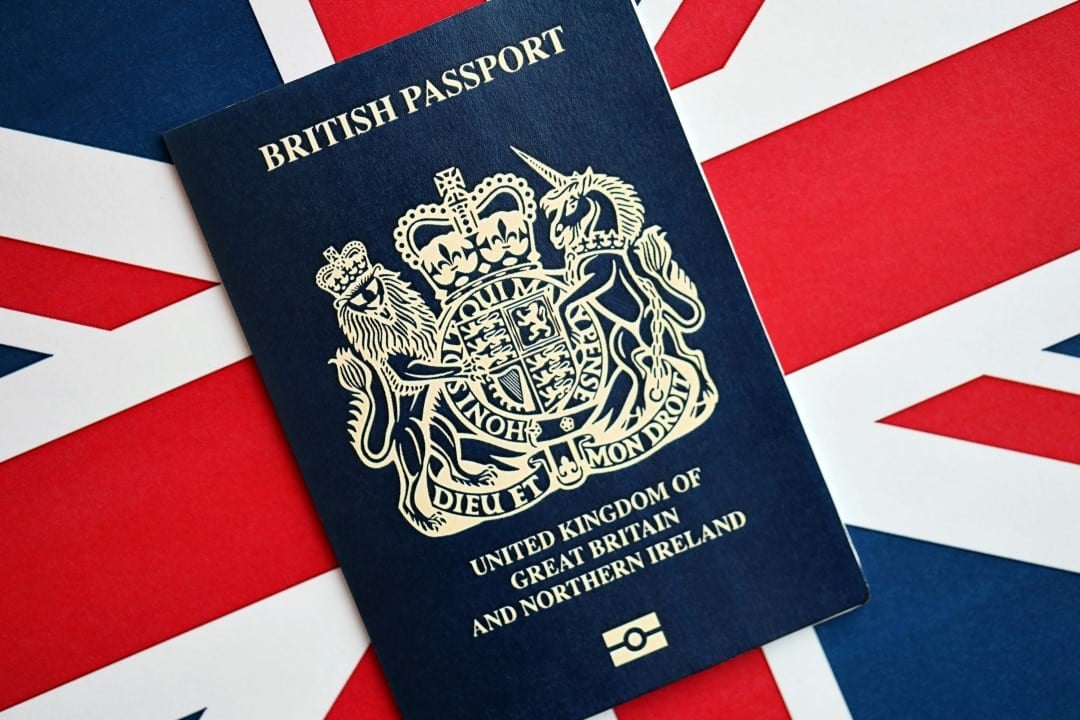
The penalties applied involve profound changes to the consular system, directly affecting international mobility:
– Immediate Fim of accelerated processing for all categories of Congolese travelers.
– Perda VIP status for government officials on official trips.
– Aumento of rigor in the analysis of documentation for tourism, work and study purposes.
Immediate changes to entry rules for citizens of República Democrática from Congo
The application of the new consular guidelines takes place with immediate effect, directly affecting all new applications submitted at embassies and consulates. Indivíduos who seek to enter British territory for specialized work, academic exchange, family reunification or even urgent humanitarian reasons will face considerably greater scrutiny. Waiting times, which could previously be reduced by paying fees for express services, will now follow the longer normal route, creating significant delays for professionals and students who depend on strict deadlines to start their activities abroad.
This strict stance reflects a change in foreign immigration policy, where the granting of travel facilities is intrinsically conditioned on diplomatic reciprocity and compliance with bilateral security agreements. The suspension of facilitated routes serves as an instrument of political pressure, designed to force the Congolese government to reevaluate its internal protocols for receiving deported citizens. The British administration makes it clear that the door remains open to full or partial reversal of the sanctions, provided that Kinshasa demonstrates a practical and verifiable commitment to expediting the issuance of travel documents for its nationals who have lost the right to appeal in the immigration courts.
Diplomatic agreements signed with Angola and Namíbia on repatriation
In contrast to the Congolese situation, other African nations have managed to avoid imposing consular barriers through proactive diplomatic dialogue. Angola and Namíbia have signed formal commitments to optimize the return of their citizens who have no legal basis to remain on British soil.
Successful negotiations with the governments of Luanda and Windhoek ensured full maintenance of access to normal and accelerated visa procedures. Esses countries have demonstrated a willingness to align their identification systems with the demands of European border control.
The bilateral understandings represent the first practical fruits of the broad reforms to the asylum system announced at the end of the previous year. The central objective of these partnerships is to create direct communication channels that eliminate bureaucratic intermediaries during removal operations.
With assured cooperation, the British authorities are able to charter deportation flights and issue safe conducts with greater agility. European diplomacy uses these cases as positive examples of how international collaboration can benefit the regular movement of people.
Bureaucratic obstacles identified by the British Ministério
Investigations conducted by border control agencies revealed a systematic pattern of administrative obstacles on the part of República Democrática of Congo. The main problem lies in the refusal or extreme slowness in processing the necessary paperwork to recognize the nationality of detained individuals.
One of the most problematic requirements imposed by Kinshasa is the requirement that migrants themselves sign repatriation documents agreeing to return. In practice, individuals who wish to avoid deportation simply refuse to sign the forms, paralyzing the entire legal removal process.
This administrative loophole has forced the British government to keep foreign offenders in detention centers for prolonged periods, generating high costs for public coffers. The elimination of these redundant requirements has become the main demand at the negotiating tables.
Reforms to the asylum system and border control on the European continent
The tightening of consular rules comes at a time of unprecedented pressure on the country’s reception infrastructure, which registered a historic record of one hundred and eleven thousand asylum requests in a twelve-month period recently analyzed. Para To deal with this massive volume, parliament approved legislative packages that change the essence of international protection, introducing the concept of temporary status for refugees and drastically limiting legal entry routes for spontaneous applicants. The government’s strategy is based on the premise that a functioning immigration system needs to have the capacity to quickly remove those who are denied applications, freeing up resources and places for individuals fleeing proven conflict zones. Sem the collaboration of countries of origin to receive rejected citizens, the entire mechanism of the asylum system collapses, resulting in improvised camps, crowded hotels financed by Estado and an increase in social tension in the host communities. Portanto, penalizing nations that do not cooperate is seen as a fundamental piece in restoring the credibility of national borders and discouraging the use of clandestine routes operated by human smuggling networks.
Official response from Kinshasa regarding deportation demands
The government of República Democrática of Congo officially declared itself after the implementation of the sanctions, confirming the existence of open communication channels with the British embassy located in African authorities recognize the seriousness of the situation and say technical discussions are underway to find an acceptable compromise.
Despite the announcement of bilateral dialogues by the Congolese government, the European administration maintains a skeptical stance and demands concrete and immediate actions. Simply promising future meetings will not be enough to restore suspended consular facilities.
Volume of issuances and official regular immigration statistics
Official immigration data demonstrate that the focus of the restrictions is strictly political and diplomatic, and not a response to a mass migratory flow. In one year, only two hundred and ninety-nine visas were issued to Congolese in regular categories such as skilled work permits and university registrations.
In the same period analyzed, Angola recorded the issuance of two hundred and seventy-three visas, while Namíbia recorded one hundred and forty authorizations. Border security records indicate that only eleven migrants from República Democrática to Congo were intercepted trying to cross the channel irregularly, proving that the measure aims to punish the lack of state cooperation, and not to contain a numerical crisis specific to this nationality.
Requirement of international cooperation to maintain diplomatic privileges
The leadership of the Ministério of the Interior reiterated that respect for international repatriation laws is a non-negotiable duty of any sovereign Estado. Fontes linked to high-level government officials signal that the current sanctions model will serve as a rigorous pilot project, with strong indications that identical punitive measures will be applied to other nations that refuse to take back their irregular citizens.



